


Structured porcelain tiles: textured finishes explained for homeowners & professionals

Structured porcelain tiles: textured finishes explained for homeowners & professionals

What is a structured tile finish?

A structured tile finish is a surface treatment applied during the manufacturing process that creates a three-dimensional, raised texture across the tile's face. Unlike smooth options such as matte or polished, structured finishes incorporate micro-reliefs or pronounced patterns that physically increase friction between the surface and foot traffic, without relying on added grit or surface coatings. The texture is formed during pressing and firing, making it a permanent part of the tile itself.

Structured finishes are typically available in two primary classifications: Structured R10, which features a lightweight texture suited for indoor and light commercial environments, and Structured R11, which offers a more pronounced surface engineered for outdoor and high-exposure applications. For homeowners and design professionals alike, they occupy a precise position within the broader porcelain tile finishes spectrum, where safety requirements and aesthetic ambition naturally converge.

How structured tiles improve slip resistance

Structured porcelain tiles improve slip resistance through the physical geometry of their surface. Rather than relying on applied grit or chemical treatments, the texture works by reducing the contact area between the sole of a shoe or bare foot and the tile, while simultaneously channeling water and moisture away from underfoot. This makes them a reliable choice for environments where safety cannot be compromised.

Micro‑texture and raised relief patterns

Micro-texture refers to the fine, repeating surface variation pressed directly into the tile during production. In Structured R10 tiles, these reliefs are subtle enough for comfortable indoor use while still providing certified medium grip. Structured R11 tiles feature a more pronounced, three-dimensional pattern that significantly increases surface irregularity, delivering high grip performance suited to outdoor and wet environments.

How texture increases friction underfoot

Friction increases when a surface disrupts smooth, uninterrupted contact between two materials. The raised relief patterns on structured tiles create multiple small points of resistance underfoot, which interrupts sliding motion before it begins. This is why structured finishes consistently achieve higher R-ratings than smooth surfaces under the DIN 51130 ramp test, making them the preferred specification for slip-resistant tiles in both residential and commercial projects.

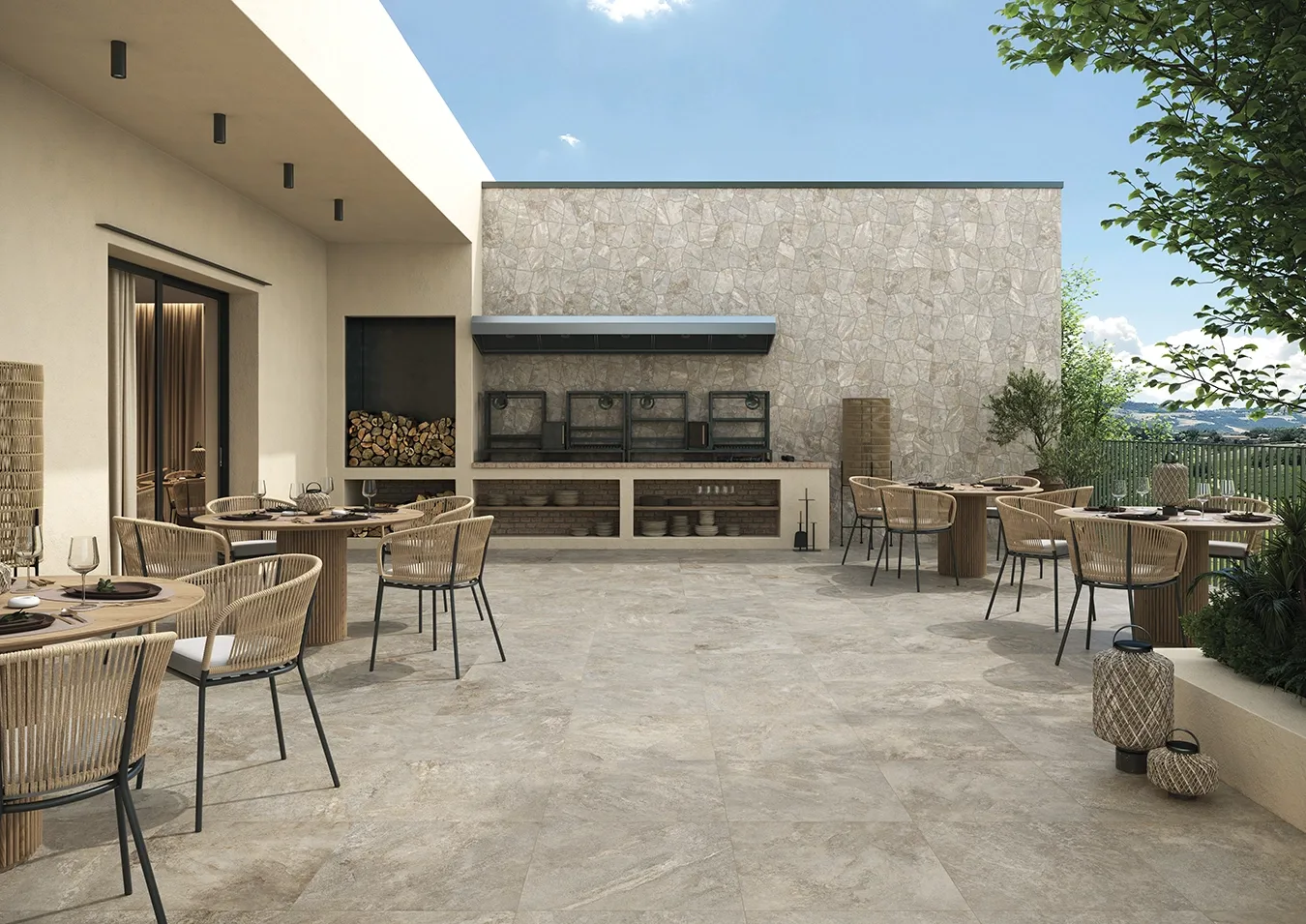
Structured porcelain tiles in a stone look finish on an outdoor patio
Midlake QuartzBeige
midlake quartzbeige

When structured tiles are recommended

Structured tiles are the correct specification whenever a space is regularly exposed to moisture, water, or high foot traffic conditions where smooth finishes do not deliver sufficient grip. This includes both residential and commercial environments, from private bathrooms and kitchens to hospitality spaces, wellness facilities, and public areas.

For outdoor use, structured finishes are the standard specification. Outdoor porcelain tiles with a Structured R11 rating maintain reliable traction even when wet or exposed to variable weather conditions. Common outdoor applications include:

  • Patios, courtyards, front porches, and garden walkways

  • Outdoor kitchens, exterior stairs and landings

  • Pool surrounds, spa decks, and wet walkways

  • Commercial entrances and high-traffic outdoor areas

Indoors, Structured R10 is the appropriate specification for kitchens, bathrooms, entryways, mudrooms, laundry rooms, and utility spaces, as well as garage floors and commercial environments such as restaurants, gyms, and healthcare facilities where slip resistance is a functional requirement.
Benefits of structured porcelain tiles

Structured porcelain tiles deliver a combination of technical performance and visual authenticity that few other finishes can match. Their three-dimensional surface relief is not only functional; it also enhances the natural appearance of the material, making stone, concrete, and wood-look tiles more convincing and tactilely engaging underfoot.

Key benefits include:

  • Certified slip resistance: R10 and R11 ratings provide documented safety performance for indoor and outdoor use

  • Durability: the texture is fired into the tile itself, meaning it cannot wear away, peel, or degrade over time

  • Versatility: available in a wide range of effects, formats, and thicknesses, including ¾ inch (2 cm) pavers for outdoor installations

  • Aesthetic authenticity: surface relief patterns closely replicate the natural irregularities of stone, wood, and concrete

  • Frost resistance: when specified in exterior-rated formats, structured tiles withstand freeze-thaw cycles without surface damage

  • Compatibility with radiant heating: like all porcelain tiles, structured finishes conduct heat efficiently and are fully compatible with underfloor heating systems

These properties make structured tiles a practical first choice for projects where long-term performance, safety compliance, and design integrity all need to be addressed within a single material specification.

Drawbacks & considerations before choosing structured tiles

Structured tiles are not the right choice for every space, and understanding their limitations is just as important as recognizing their strengths. The same surface relief that provides grip can also make certain applications less practical, particularly in environments where comfort and ease of maintenance are the primary priorities.

Key considerations include:

  • Cleaning effort: textured surfaces require more maintenance than smooth finishes, as dirt and residue settle into the relief patterns, requiring a stiff brush and appropriate cleaning products for regular upkeep

  • Tactile comfort: pronounced textures, particularly R11, can feel coarse underfoot in barefoot settings such as bedrooms or living rooms

  • Aesthetic limitations: heavy surface relief can reduce the visual clarity of delicate patterns and veining, which may affect the final appearance of marble look or intricate decorative designs

  • Indoor overkill: specifying R11 indoors in dry, low-traffic areas adds unnecessary roughness without meaningful safety benefit; R10 is sufficient for most residential interiors

Choosing a structured finish requires an honest assessment of the space. Where safety and exposure to moisture are genuine concerns, the tradeoffs are easily justified. In spaces where comfort and visual refinement take priority, a lighter texture or alternative finish will serve better.

Structured tiles vs other surface finishes

Choosing the right finish means understanding how each option performs relative to the others. Structured finishes occupy a specific position on the spectrum, and comparing them directly helps clarify when they are the right specification.

Structured vs Matte: traction vs comfort

Both finishes deliver a non-reflective, understated appearance, but their surface behavior differs significantly. Matte tiles such as Natural R9 and R10 offer a smooth, flat surface that prioritizes visual refinement and ease of cleaning. Structured tiles introduce physical relief that increases traction, making them the better choice wherever moisture is a regular factor.

Structured vs Silky: texture vs softness

Structured finishes prioritize grip over tactile softness, which is what sets them apart from Silky. Silky finishes offer a velvety, smooth surface with a refined tactile quality ideal for living rooms and bedrooms. Structured finishes introduce physical relief that provides certified traction, trading barefoot comfort for documented performance. Where elegance and slip resistance must coexist, ULTRAsilky with its interior wet certification offers a compelling middle ground.

Structured vs Polished: safety vs aesthetics

Polished finishes such as Lappato deliver visual depth and luminosity but offer limited slip resistance on wet surfaces. Structured finishes reverse that priority entirely, sacrificing reflectivity in favor of certified traction. These two finishes serve fundamentally different purposes and are rarely interchangeable.

Structured vs Non-slip: which one is more aggressive

Non-slip finishes such as Grip R10 and Grip R11 achieve slip resistance through applied grit on an otherwise smooth surface. Structured finishes achieve it through physical relief. Grip finishes retain a cleaner visual profile, while structured finishes offer greater tactile authenticity to the material they replicate.

Outdoor safety standards for structured tiles

Structured porcelain tiles intended for outdoor use are tested and classified according to internationally recognized safety standards. Understanding these classifications helps homeowners and design professionals specify the correct tile for any given environment, particularly where water exposure and barefoot use are routine conditions.

DIN 51130 (R‑ratings) overview

The DIN 51130 ramp test classifies tiles based on the maximum angle of inclination reached before slipping occurs when walking with shoes on an oil-wet surface. Results are expressed as R-ratings:

  • R9: normal grip, 6°–10°, suited for most indoor environments

  • R10: medium grip, 10°–19°, recommended for kitchens, bathrooms, and light commercial spaces

  • R11: high grip, 19°–27°, the standard specification for outdoor areas, pool surrounds, and wet walkways

  • R12: very high grip, 27°–35°, reserved for industrial and high-risk environments

Structured R10 and Structured R11 tiles are tested and certified within this framework, giving architects and tile contractors a reliable, documented basis for specification.

DIN 51097 for wet barefoot areas

The DIN 51097 standard classifies tiles specifically for wet, barefoot environments such as pool decks, shower floors, and spa areas. Unlike DIN 51130, which uses oil and footwear, this test simulates barefoot contact on water-wet surfaces, making it the relevant benchmark for wellness and aquatic applications. Results are grouped into three classes:

  • Class A: medium grip (≥12°), suitable for changing rooms and covered wet areas

  • Class B: high grip (≥18°), recommended for pool surrounds, outdoor showers, and spa floors

  • Class C: maximum grip (≥24°), required for sloped surfaces, water park areas, and high-risk wet zones

For most residential pool and wellness projects, a minimum Class B rating is the appropriate specification.

Best places to use structured porcelain tiles

Structured porcelain tiles are the right specification wherever grip, durability, and moisture exposure are genuine requirements. Their versatility makes them one of the most widely applicable finishes across both residential and commercial projects.

Outdoor spaces call for Structured R11, the standard specification for any surface exposed to weather, water, and variable conditions:

  • Patios, courtyards, front porches, and garden walkways

  • Outdoor kitchens, exterior stairs, and landings

  • Pool surrounds, spa decks, and wet walkways

  • Commercial entrances and high-traffic outdoor areas

Indoor spaces are well served by Structured R10, which provides certified medium grip without the pronounced texture of outdoor-grade tiles:

  • Walk-in showers, bathrooms, and kitchens in residential settings

  • Entryways, mudrooms, laundry rooms, and utility spaces where moisture and tracked-in debris are regular conditions

  • Garage floors, where fluid exposure and heavy foot traffic demand documented grip performance

  • Commercial kitchens, healthcare facilities, gyms, hotels, and wellness centers where slip resistance is a formal safety requirement

This indoor/outdoor distinction is not only practical but also guides style selection, as the texture intensity and format choices differ significantly between the two contexts.

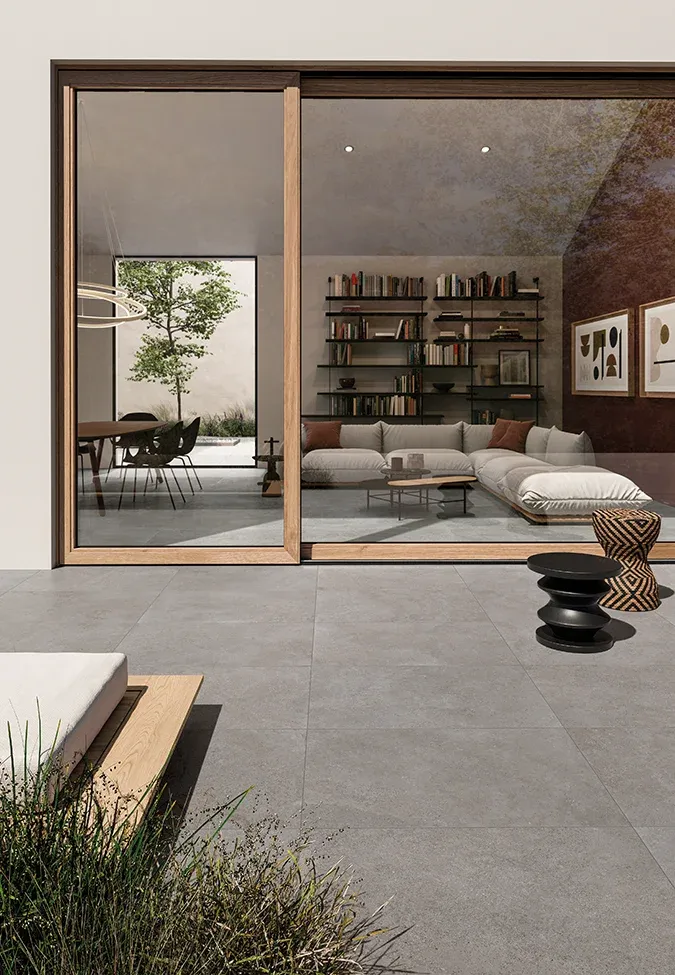
Large format structured porcelain tiles in a grey concrete look finish used across indoor and outdoor living spaces
brystone - grey
brystone grey
Structured porcelain tiles in a grey stone look finish on an indoor floor
percorsi smart - pietra di bagnolo
Percorsi Smart pietra di bagnolo

Best structured tile styles for indoor & outdoor spaces

Beyond their technical performance, structured tiles bring life to spaces precisely because their relief texture enhances the visual depth of the effects they carry, making stone-look, wood-look, and concrete-look effects more convincing and more engaging underfoot.

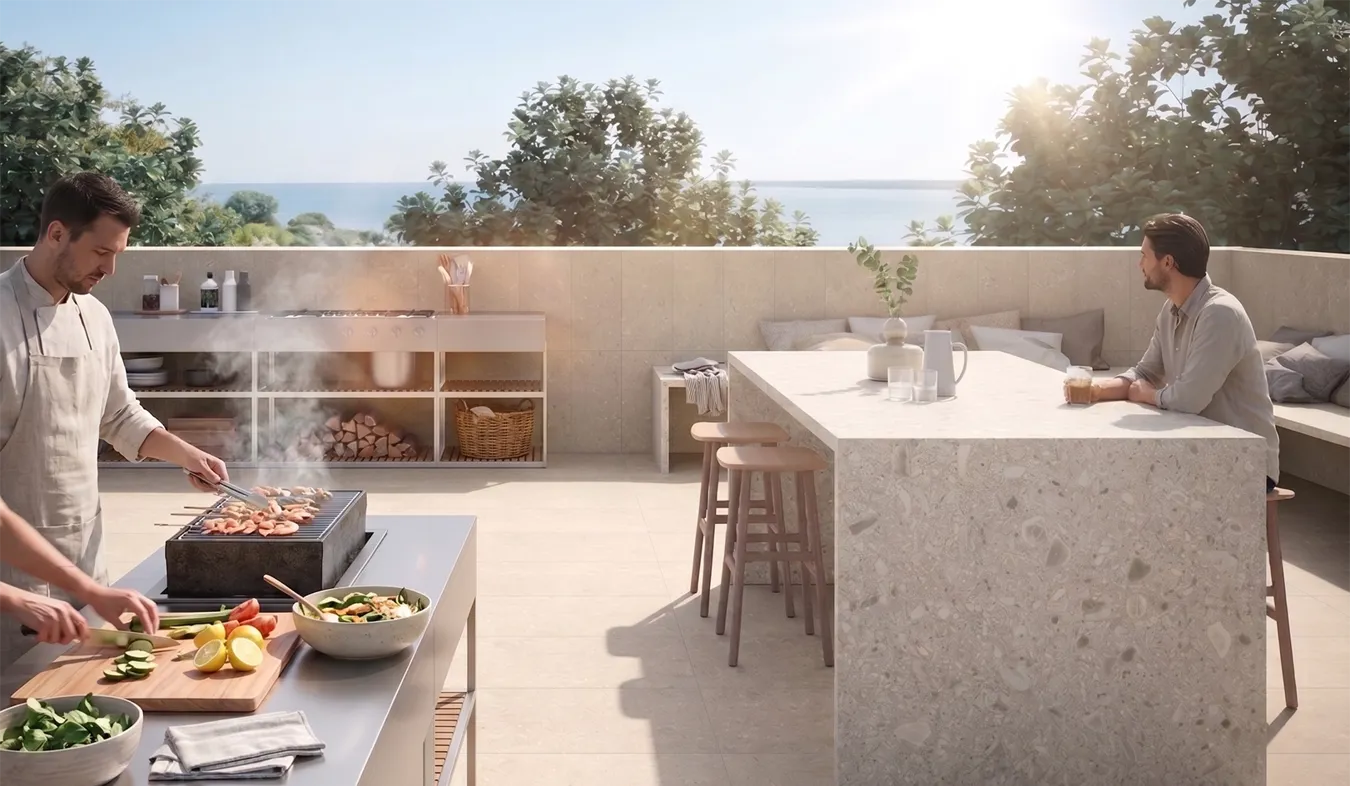
For outdoor projects, large format tiles in 3/4 inch (2 cm) thickness are the standard specification for patios, pool surrounds, and garden paths. Stone look tiles are particularly well suited here, where the natural surface variation of the material and the physical relief of the finish reinforce each other, producing a result that feels architecturally coherent and visually grounded. Concrete look porcelain tiles follow the same logic, lending a clean, contemporary character to exterior spaces.

Indoors, wood look tiles translate naturally into Structured R10, delivering tactile realism without the intensity of an outdoor-grade texture. For wall tile applications, 3D porcelain tiles introduce dimensional depth alongside grip performance, adding visual character to shower surrounds and feature walls. To explore how different effects and formats come together before committing to a final selection, the tile layout planner Match App is a practical starting point.

How to choose the right structured tile

Choosing the right structured tile comes down to three practical considerations: slip resistance requirements, climate exposure, and thickness. Getting these right ensures the tile performs as expected over time, regardless of the environment.

Evaluate slip‑resistance requirements

Start with the intended use. Structured R10 is the appropriate specification for most indoor wet areas, including bathrooms, kitchens, and entryways, where certified medium grip addresses the regular presence of moisture. Structured R11 is the correct choice for outdoor surfaces, pool surrounds, and any environment where water exposure is constant or unpredictable.

Consider climate and freeze‑thaw exposure

For outdoor installations in colder climates, frost resistance is a non-negotiable requirement. Porcelain tiles with a water absorption rate below 0.5% are inherently resistant to freeze-thaw cycles, as the low porosity of the material prevents water from penetrating the surface and causing damage when temperatures drop below freezing. Always verify that the selected tile carries an exterior-rated classification before specifying it for outdoor use.

Choose the right thickness (including 2 cm pavers)

Thickness selection follows the application directly. For indoor floors, 3/8 inch (9 mm) is the standard specification. For outdoor installations subject to foot traffic, 3/4 inch (2 cm) pavers provide the structural performance required.

Maintenance, cleaning & installation tips for structured tiles

Structured tiles are durable and low maintenance by nature, but their textured surface requires a slightly different approach compared to smooth finishes. The relief patterns that provide grip can trap dirt and residue if not cleaned regularly. Routine cleaning with a stiff brush and a pH-neutral detergent is sufficient for most indoor applications, while outdoor surfaces and pool surrounds benefit from periodic deep cleaning to prevent the buildup of algae, organic matter, and mineral deposits. For a comprehensive approach to keeping textured surfaces in top condition, refer to our dedicated porcelain tile cleaning guide.

Proper installation is equally important in preserving that performance over time. Structured tiles follow the same principles as all large format porcelain, with a few additional considerations worth noting. Full coverage with modified thin-set is essential, particularly for outdoor ¾ inch (2 cm) pavers, where voids beneath the tile can compromise both structural integrity and slip resistance. For outdoor installations, a proper sub-base ensures adequate drainage and load distribution, while movement joints must be correctly placed to accommodate thermal expansion. For detailed guidance on installation methods, substrate preparation, and movement joint placement, consult our porcelain tiles installation guide.

Frequently asked questions about structured tiles

Are structured tiles too rough for indoor use?

It depends on the finish. Structured R10 is designed specifically for indoor use, offering a subtle texture that remains comfortable underfoot in bathrooms, kitchens, and entryways. Structured R11, with its more pronounced relief, is better reserved for outdoor and high-exposure environments where maximum grip takes priority over tactile softness.

Are structured tiles good for pool areas?

Yes. Structured R11 tiles with a DIN 51097 Class B or C barefoot wet rating are among the safest choices for pool surrounds, spa decks, and wet walkways, combining certified slip resistance with full frost resistance in exterior-rated formats.

Are structured tiles harder to clean?

Slightly more so than smooth finishes. The relief patterns can trap dirt if not cleaned regularly, but routine maintenance with a stiff brush and pH-neutral detergent is sufficient for most applications. Refer to our tile cleaning guide for detailed guidance.

What R‑rating do structured tiles usually have?

Structured tiles are typically rated R10 for indoor applications and R11 for outdoor use. Both ratings are certified under the DIN 51130 ramp test, providing a reliable and documented basis for specification.

Can structured tiles be used in showers?

Yes. Structured R10 is well suited for shower floors, where its certified medium grip addresses wet barefoot conditions in a domestic setting. For walk-in showers without enclosures, R11 is the stronger specification.

Do structured tiles feel uncomfortable underfoot?

Structured R10 is comfortable for everyday indoor use. Structured R11 is more assertive and is best reserved for outdoor terraces, pool surrounds, and commercial spaces rather than barefoot living areas.

You might also be interested in