R11 tiles: safety standards explained for homeowners

R11 tiles: safety standards explained for homeowners

What does R11 slip resistance mean?

R11 slip resistance is a classification defined by the DIN 51130 standard that indicates a tile surface can provide high grip on inclined test surfaces coated with oil, as required by the DIN 51130 method, at angles between 19° and 27°. This rating places R11 tiles among the safest options available for environments where traction is a critical requirement.

The R-rating system evaluates how effectively a surface prevents slipping when a person wearing shoes (shod environments) walks across a ramp coated with oil. The steeper the angle a person can walk without losing footing, the higher the classification. R11 sits above R9 (normal grip) and R10 (medium grip), making it the standard recommendation for outdoor floor tiles, wet areas, and any space where water, debris, or weather conditions may compromise surface safety.

For homeowners, understanding this rating is essential when selecting outdoor porcelain tiles for patios, pool decks, outdoor kitchens, front porches, and entryways. An R11 classification confirms that the tile has been rigorously tested and meets the performance threshold required for environments exposed to moisture and varying weather conditions.

Why R11 is recommended for outdoor areas

R11 porcelain tiles are recommended for outdoor areas because they deliver the level of grip needed to maintain safe footing on surfaces constantly exposed to rain, humidity, and temperature changes. Unlike indoor environments, exterior spaces face natural elements that significantly reduce traction on lower-rated surfaces. R11 tiles are engineered to perform reliably under these conditions, providing consistent slip resistance throughout the year. This performance also exceeds the minimum wet DCOF threshold (0.42) required by ANSI A326.3.

Understanding how these surfaces achieve their grip, and when a higher rating becomes necessary, helps ensure the installation performs safely in all weather conditions.

Stone look porcelain tiles with Grip R11 finish installed on an outdoor patio
Discovery Ardesia Silver
Discovery ardesia silver
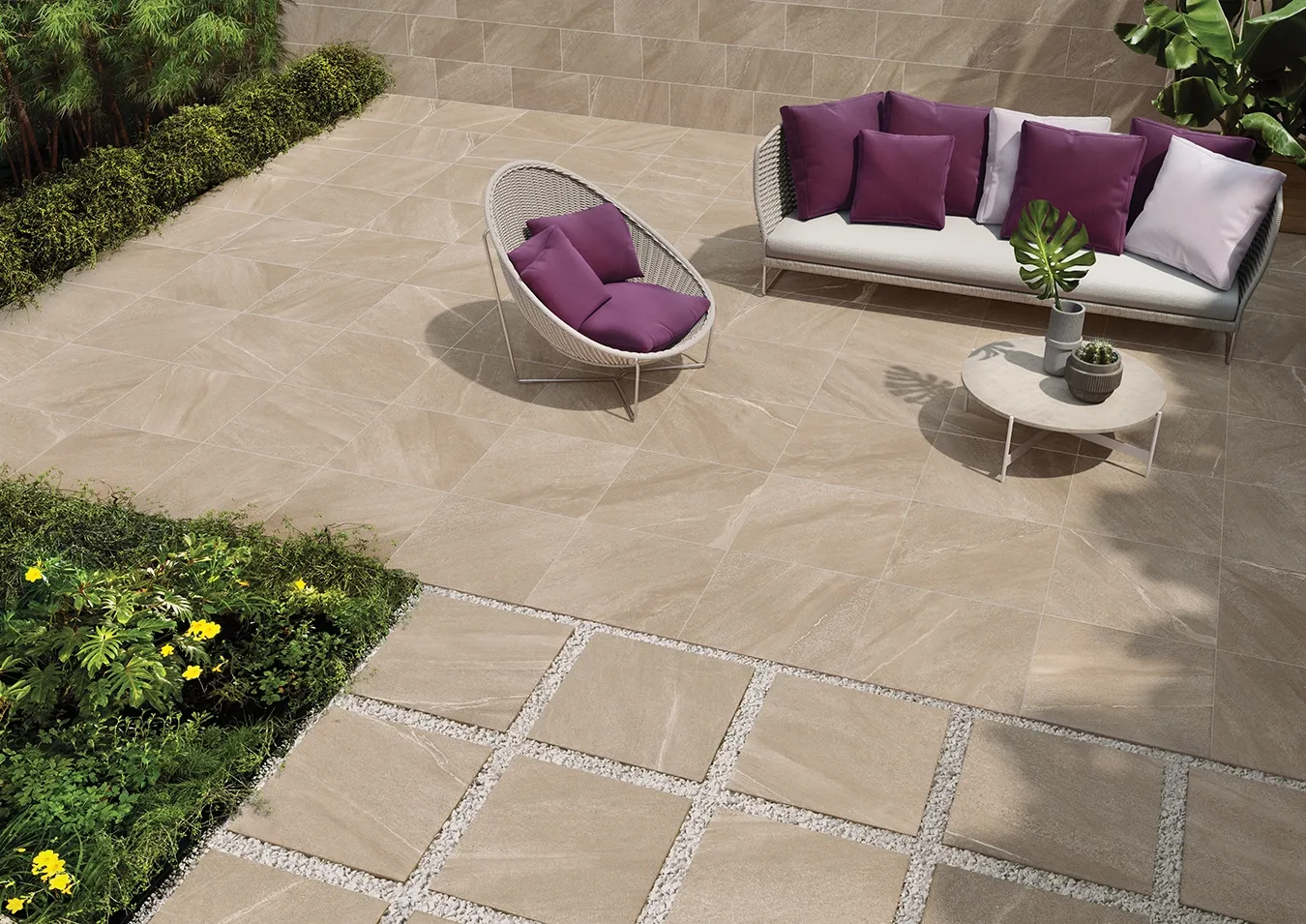
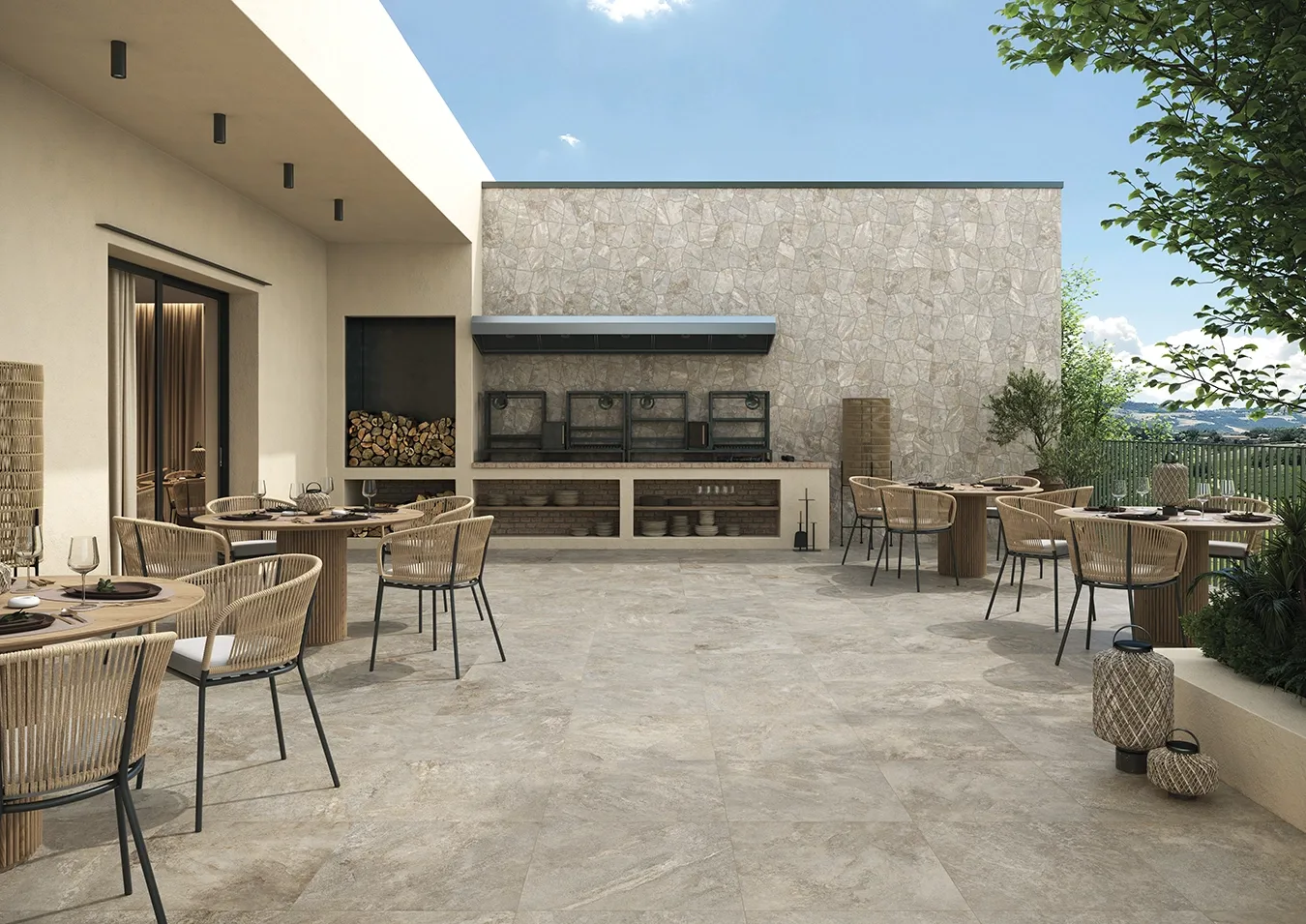
Beige stone look porcelain tiles with Structured R11 finish on an outdoor patio with dry laying on gravel
Chorus Beige
chorus beige

Textured surfaces for improved grip

Porcelain tiles achieve R11 slip resistance primarily through three-dimensional surface textures that increase friction naturally underfoot. These structured surfaces replicate the subtle irregularities found in natural materials like stone and wood, creating physical contact points that enhance traction. 

Among the available porcelain tile finishes, two distinct approaches are common:

  • Structured R11 finishes feature a pronounced three-dimensional surface that remains relatively easy to clean compared to deep‑texture anti‑slip finishes, comfortable underfoot and safe even when exposed to water and outdoor elements.

  • Grip R11 finishes apply anti-slip grit to a minimally textured surface that appears smooth but still provides certified R11 traction,maintaining a clean aesthetic without compromising safety. 

This variety means homeowners are not limited to a single look or feel when choosing R11 outdoor floor tiles.

When R11 is mandatory vs. recommended

R11 slip resistance requirements vary depending on location, but for residential projects it remains a recommendation rather than a legal obligation in both the US and Europe. In the United States, the International Building Code (IBC Section 1003.4) requires walking surfaces to be "slip resistant" without defining a specific test method or R-rating, leaving the final decision to the homeowner, designer, or installer. In Europe, R11 is mandatory only for specific commercial and workplace environments under the testing framework of EN 16165, depending on the risk category and intended use, not for private homes.

For homeowners on both sides of the Atlantic, R11 is the most widely recommended classification for outdoor areas such as:

  • Backyard patios

  • Private pool decks and spa areas

  • Outdoor kitchens and dining areas

  • Backyard walkways and entrance paths

Choosing non-slip tiles with an R11 classification provides safety performance that exceeds the minimum DCOF thresholds established by ANSI A326.3, offering documented assurance through a globally recognized standard.

Whether required by local regulation or selected as a best practice, R11 porcelain tiles deliver the level of grip needed for any outdoor surface exposed to moisture. Knowing where this classification adds the most value helps homeowners make an informed selection.

Where R11 tiles should be used

R11 porcelain tiles should be used in any area where moisture, foot traffic, or environmental exposure creates a potential slip hazard. Whether mandatory under European workplace regulations or strongly recommended for US residential projects, their high-grip classification makes them the most versatile option for spaces that demand both safety and design flexibility.

Outdoor residential applications:

  • Patios, decks and terraces

  • Pool decks and spa surrounds

  • Garden walkways and entrance paths

  • Outdoor stairs and landings

Indoor wet areas:

  • Laundry rooms and mudrooms

  • Garage floors, entryways and utility spaces

  • Bathrooms with direct outdoor access

The key consideration is always the relationship between space and water. Wherever a surface is likely to be wet, whether from weather, splashing, or routine cleaning, R11 porcelain tiles provide the level of traction needed to maintain safe footing without compromising the design possibilities of the project.

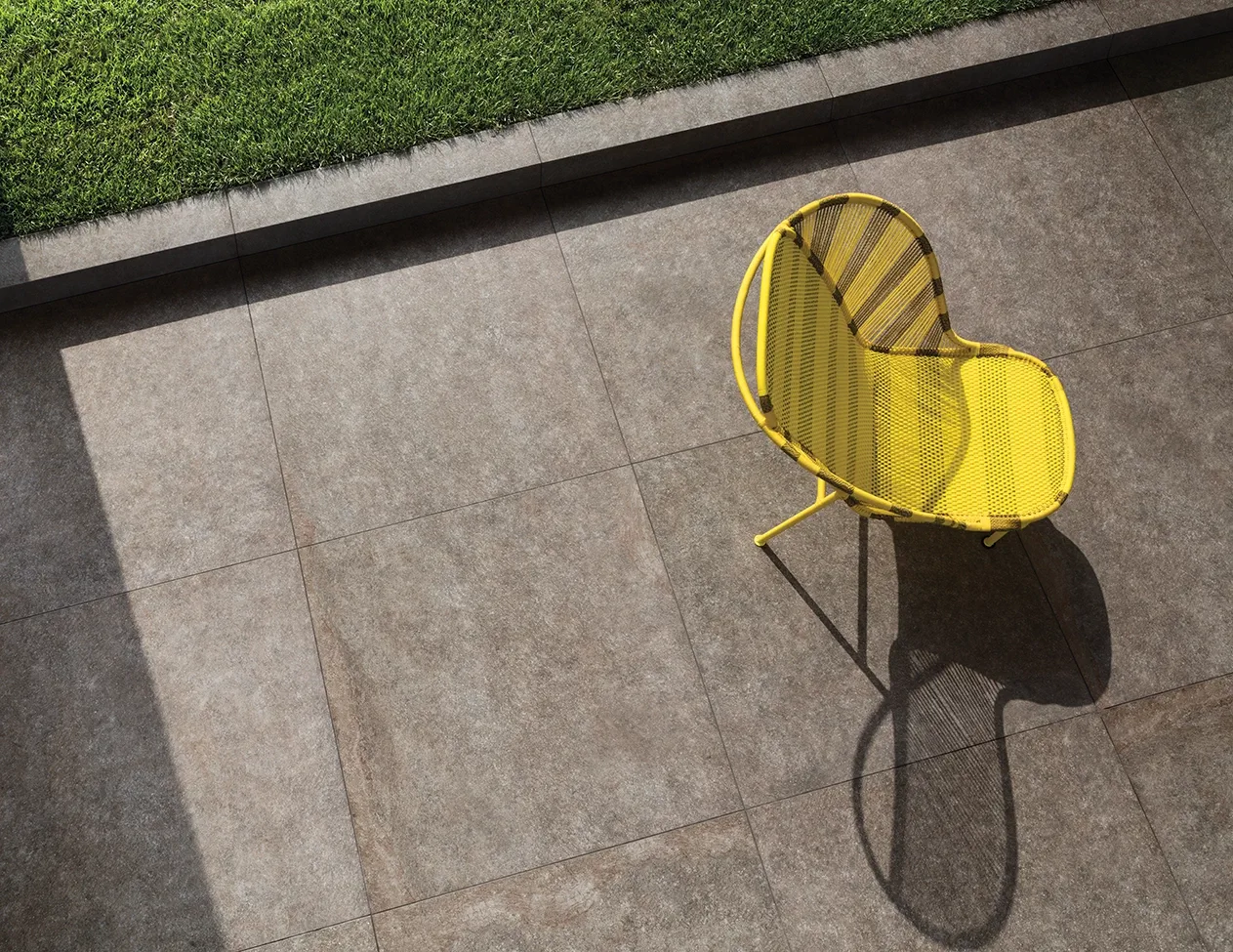
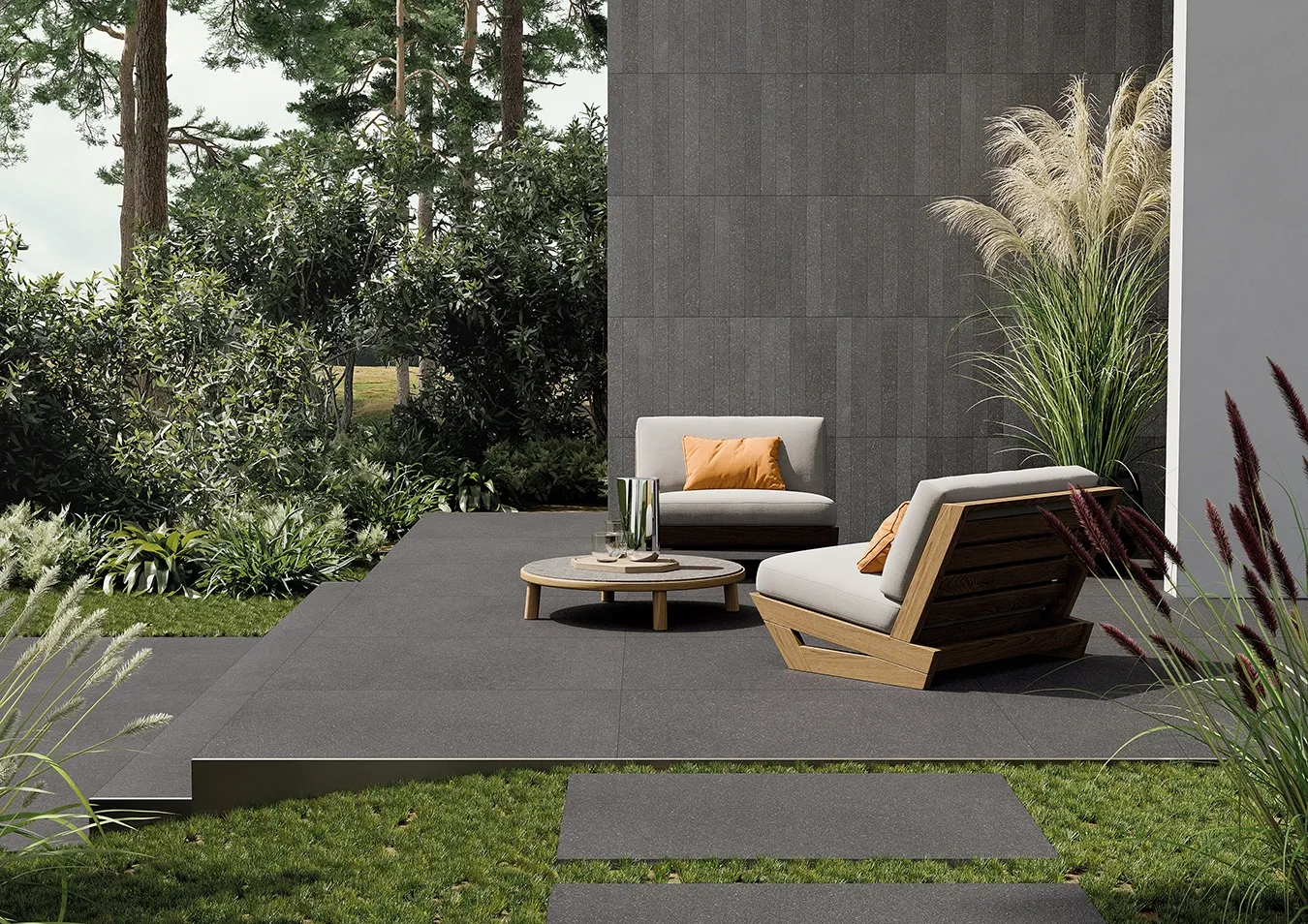
Dark stone look porcelain tiles with R11 finish used for outdoor floor and wall applications
Lavica Anthracite
Lavica Anthracite
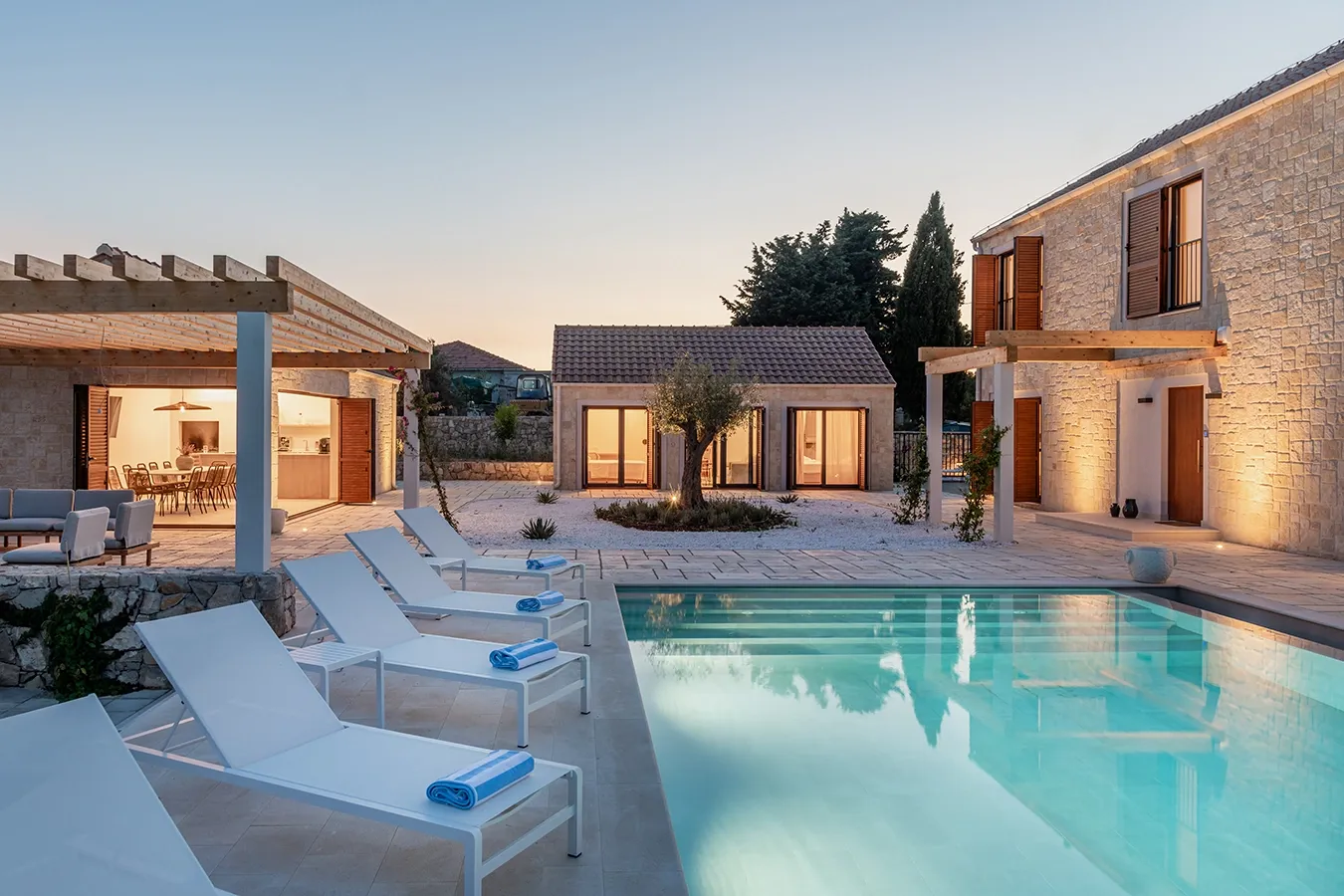
White concrete look porcelain tiles with R11 finish installed on a residential pool deck
District White
District White
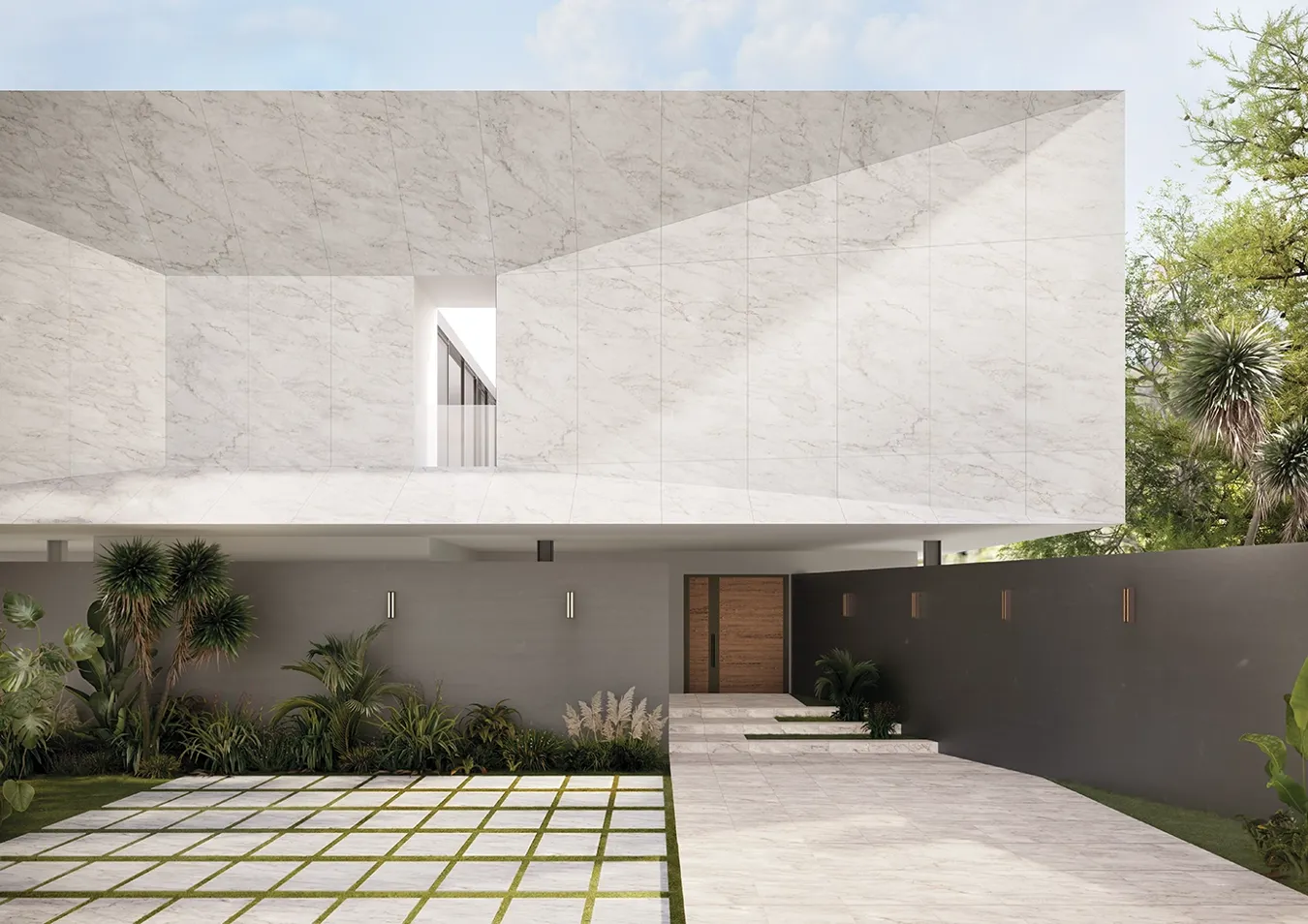
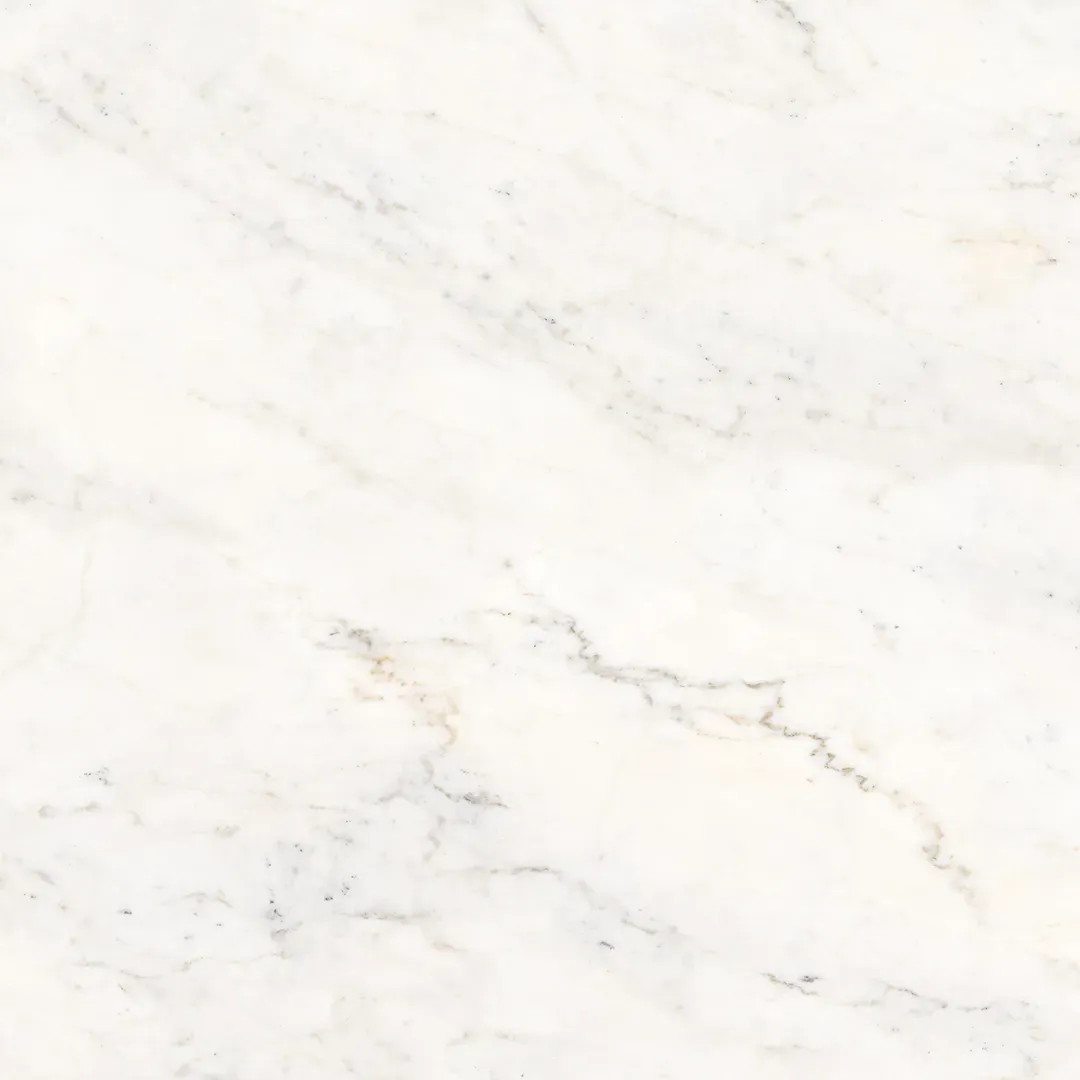
White marble look porcelain tiles in large formats used for exterior facade and outdoor floor applications
Versilia Michelangelo White
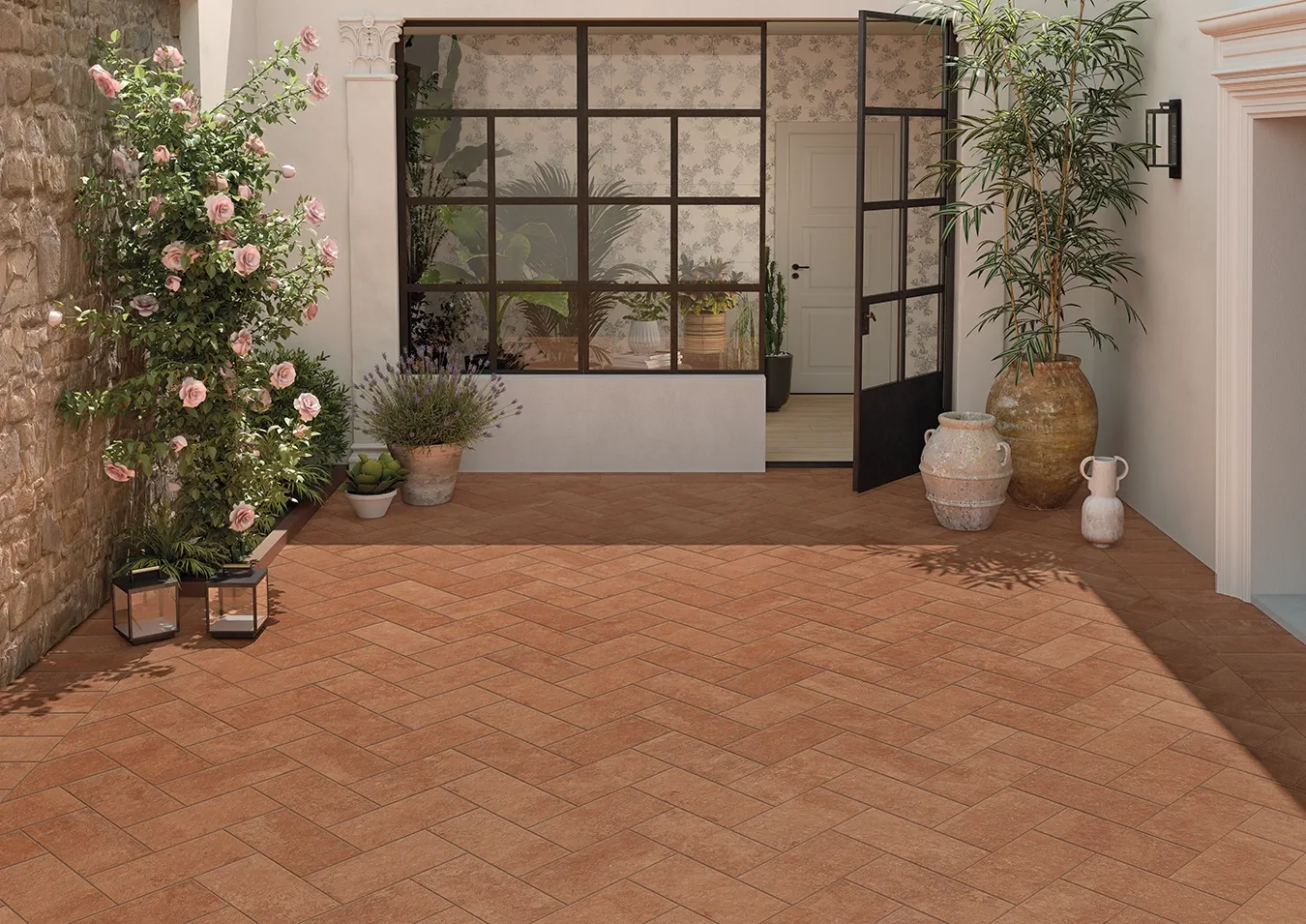
Terracotta look porcelain tiles with R11 finish installed on an outdoor entrance courtyard
Discovery Cotto Red
Discovery cotto red

Best R11 tile styles for outdoor spaces and wet barefoot areas (Pools, spas & patios)

R11 porcelain tiles give homeowners access to certified slip resistance across every major design effect used in outdoor residential projects today, making it possible to prioritize safety without limiting aesthetic choice.

  • Stone look porcelain tiles reproduce the veining and depth of travertine, slate, and limestone, making them a natural fit for patios and pool areas where an authentic, timeless character is the goal.

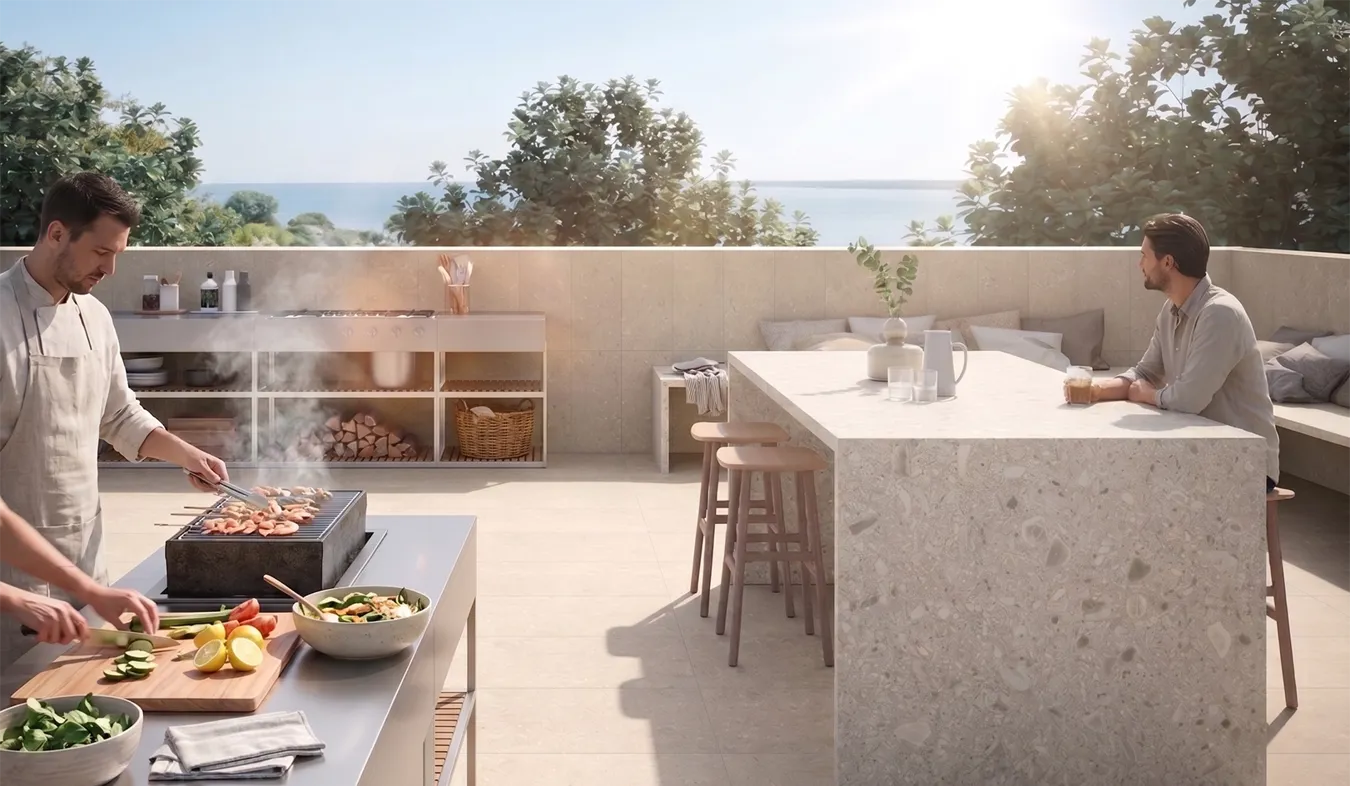
  • Concrete look porcelain tiles deliver the clean, minimal surfaces that define contemporary outdoor design, ideal for pool decks and dining areas that call for a modern edge.

  • Marble effect porcelain tiles bring the refined character of Italian quarry marbles to exterior spaces, with grey and white tones, delicate veining, and structured R11 surfaces that perform outdoors without losing the refined look marble is known for.

  • Terracotta effect porcelain tiles introduce warm, earthy tones and a matte, tactile surface that evokes the handcrafted character of traditional Italian cotto, offering a distinctive alternative for homeowners looking to add Mediterranean warmth to a patio, courtyard, or backyard path while offering the frost‑proof durability required for outdoor use in colder climates.

For pool decks and spa surrounds where barefoot traffic is expected, pairing the R11 rating with a DIN 51097 barefoot rating of B or C ensures reliable traction on wet surfaces whether you are wearing shoes or walking barefoot. This versatility across styles and safety standards is only part of what makes R11 outdoor porcelain tiles a strong long-term investment.

Benefits of R11 slip‑resistant outdoor tiles

R11 slip-resistant outdoor porcelain tiles offer a comprehensive set of technical properties that go well beyond grip, making them one of the most reliable and low-maintenance solutions available for exterior surfaces exposed to weather, traffic, and moisture.

Key benefits include:

  • Slip resistance that remains stable over time, without wearing down like applied anti‑slip coatings.

  • High load‑bearing strength suitable for outdoor furniture and heavy foot traffic.

  • Frost resistance and thermal shock tolerance, withstanding freeze-thaw cycles without cracking or surface degradation

  • Water absorption below 0.5%, preventing moisture penetration and inhibiting the growth of mold, moss, and bacteria

  • Complete UV and fade resistance, ensuring your tile colors stay vibrant even under intense, direct sunlight

  • Resistance to acids, salts, and household chemicals without surface alteration

  • No sealing, staining, or periodic restoration required, unlike natural stone or wood decking

This combination of technical properties makes R11 porcelain floor tiles a cost-effective long-term investment for any outdoor project, delivering consistent performance with minimal upkeep. Understanding the standards behind these claims is essential for making an informed selection.

Outdoor tile safety standards explained

Outdoor tile safety is defined by three internationally recognized standards:

  • DIN 51130: measures grip while wearing shoes on oil-wet surfaces, producing R-ratings from R9 to R13

  • DIN 51097: evaluates traction for barefoot use on wet surfaces, classifying tiles from A to C

  • ANSI A326.3: the US standard that measures the dynamic coefficient of friction (DCOF) under controlled wet conditions, with a minimum threshold of 0.42 for wet interior floors; outdoor areas typically require higher traction

Together, these testing frameworks cover the full range of outdoor scenarios a homeowner may encounter, from standard foot traffic in shoes to barefoot poolside use.

DIN 51130 (R-ratings) overview

DIN 51130 is the European testing method that classifies floor surfaces based on their slip resistance when walked on with shoes across an oil-wet test ramp. The steeper the angle a person can walk without slipping, the higher the R-rating assigned. Now incorporated into the broader EN 16165 framework, it remains the primary reference for specifying slip resistance in shod environments across both residential and commercial projects.

The classification scale is as follows:

  • R9 (6° to 10°): normal grip, suitable for dry indoor environments

  • R10 (10° to 19°): medium grip, appropriate for kitchens, bathrooms, and covered outdoor areas

  • R11 (19° to 27°): high grip, recommended for exposed outdoor surfaces and wet areas

  • R12 (27° to 35°): very high grip, used in industrial environments and areas exposed to oil or grease

  • R13 (above 35°): maximum grip, reserved for extreme conditions such as commercial food production areas

Now integrated into the broader European standard EN 16165, DIN 51130 remains the primary reference for specifying slip resistance in shod environments across both residential and commercial projects.

DIN 51097 for wet barefoot areas

DIN 51097 is the standard specifically designed to evaluate slip resistance in areas where people walk barefoot on wet surfaces. The test follows a similar ramp method to DIN 51130, but with two key differences: the person walks without shoes, and the surface is coated with water and a diluted soap solution (as required by the DIN 51097 method) instead of motor oil.

The classification system uses three levels:

  • A (minimum angle of 12°): basic grip, suitable for changing rooms and dry-side pool areas

  • B (minimum angle of 18°): high grip, recommended for shower floors, pool surrounds, and spa wet areas

  • C (minimum angle of 24°): maximum grip, required for submerged pool steps, wading areas, and sloped wet surfaces

For homeowners designing pool decks or spa areas, a tile carrying both an R11 rating and a B or C barefoot classification offers the most complete safety coverage. This dual certification ensures reliable traction whether guests are wearing shoes on the patio or walking barefoot around the water.

How we test slip‑resistant tiles

Ceramiche Keope tests the slip resistance of its porcelain tiles using three internationally recognized methods:

  • Ramp test (EN 16165, Annex A and Annex B): evaluates slip resistance both barefoot on wet surfaces and with shoes on oil-wet surfaces, determining R-ratings and A, B, C barefoot classifications

  • Dynamic coefficient of friction (ANSI A326.3 - DCOF): the US standard method that measures friction on wet surfaces, classifying tiles into categories such as interior wet (above 0.42). Outdoor areas typically require higher traction. 

  • Pendulum friction test (EN 16165, Annex C): measures skid resistance on dry or wet surfaces, with values above 36 indicating low slip potential

This combination of tests provides a comprehensive safety profile for each product, giving homeowners and specifiers documented assurance across different usage scenarios and regulatory frameworks.

R11 vs other slip-resistance ratings

R11 sits at the center of the DIN 51130 slip resistance scale and aligns well with US expectations for outdoor traction, offering high grip that exceeds the moderate traction of R9 and R10 while remaining more practical for residential use than the industrial-grade textures of R12 and R13.

R10 vs R11: which is safer outdoors

R11 is the safer choice for exposed outdoor surfaces, providing high grip tested at ramp angles between 19° and 27°, compared to R10's medium traction range of 10° to 19°.

While R10 can perform adequately on a sheltered terrace or balcony with proper drainage, patios, pool decks, garden walkways, and outdoor staircases all benefit from the added safety margin that R11 provides. For most exposed outdoor residential projects, R11 is the safer and more reliable specification.

However, R10 tiles should never be used in areas with standing water or where barefoot traffic is expected.

R11 vs R12: when higher traction is needed

R12 offers very high grip at ramp angles between 27° and 35°, exceeding R11 in environments where oil, grease, or other slippery contaminants are common.

This level of traction is typically required in industrial kitchens, food processing facilities, auto shops, and commercial loading areas. For residential outdoor projects, R12 is rarely necessary, as the conditions homeowners encounter, like rain and leaf buildup, are well within the capabilities of R11. 

It is also worth noting that higher R-ratings correspond to more pronounced surface textures, which may require slightly more effort to clean. Unless the project involves specific industrial or commercial demands, R11 remains the most practical choice for outdoor residential applications.

How to choose the best R11 outdoor tiles

The best R11 outdoor tile for any project depends on three key variables: climate, surface texture, thickness and format. Evaluating these factors before making a final selection helps homeowners avoid common mistakes and achieve a result that balances long-term safety with design intent.

Consider climate and weather exposure

Climates prone to rain or freeze-thaw cycles require structured R11 finishes with pronounced three-dimensional textures that offer superior drainage and grip. Areas subject to intense sun exposure benefit from color stable surfaces that resist fading, while coastal environments require tiles with high resistance to salt and chemical agents. For climates with harsh winters, selecting 3/4-inch (2 cm) porcelain pavers ensures your outdoor surfaces withstands thermal stress without cracking or delamination.

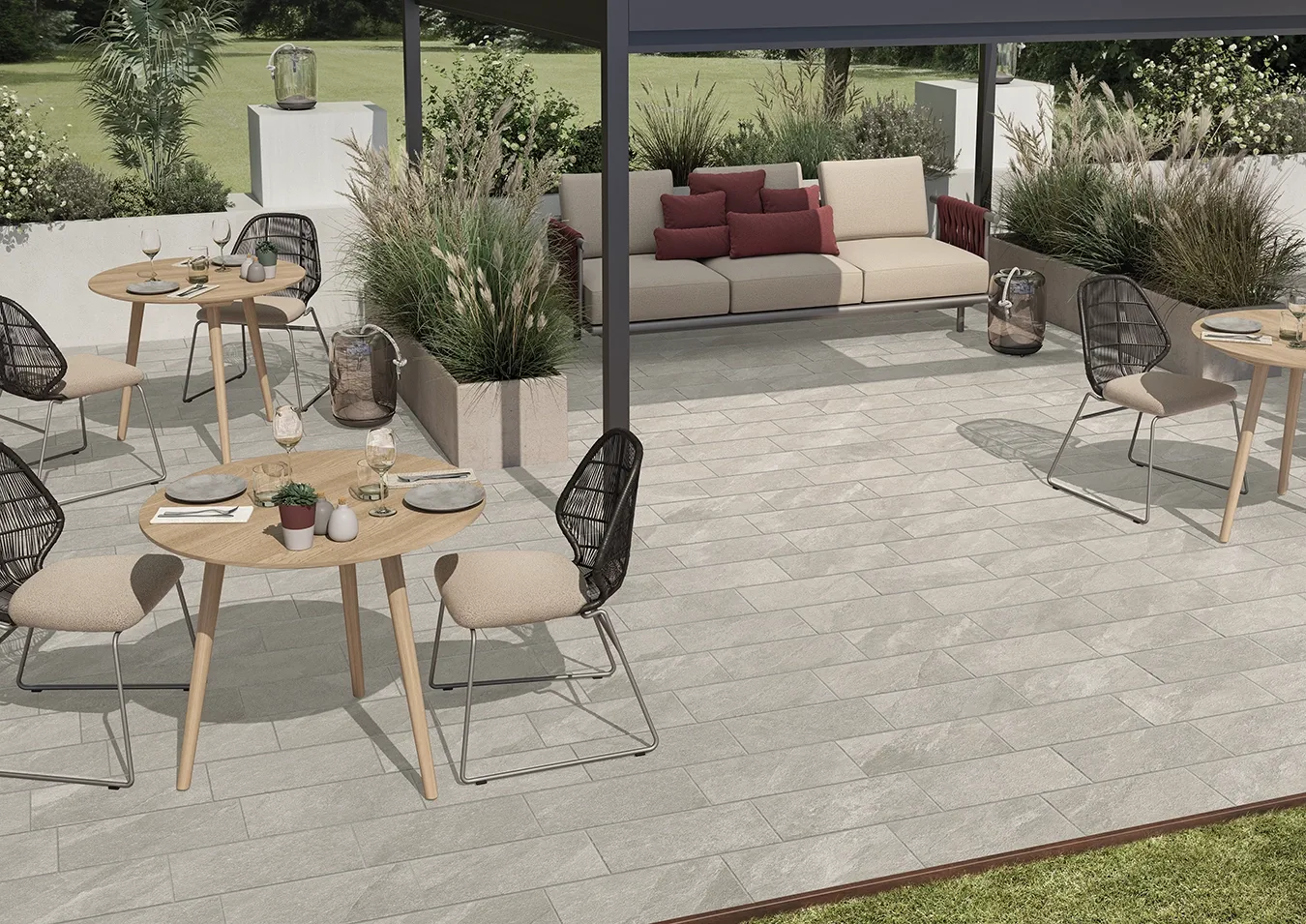
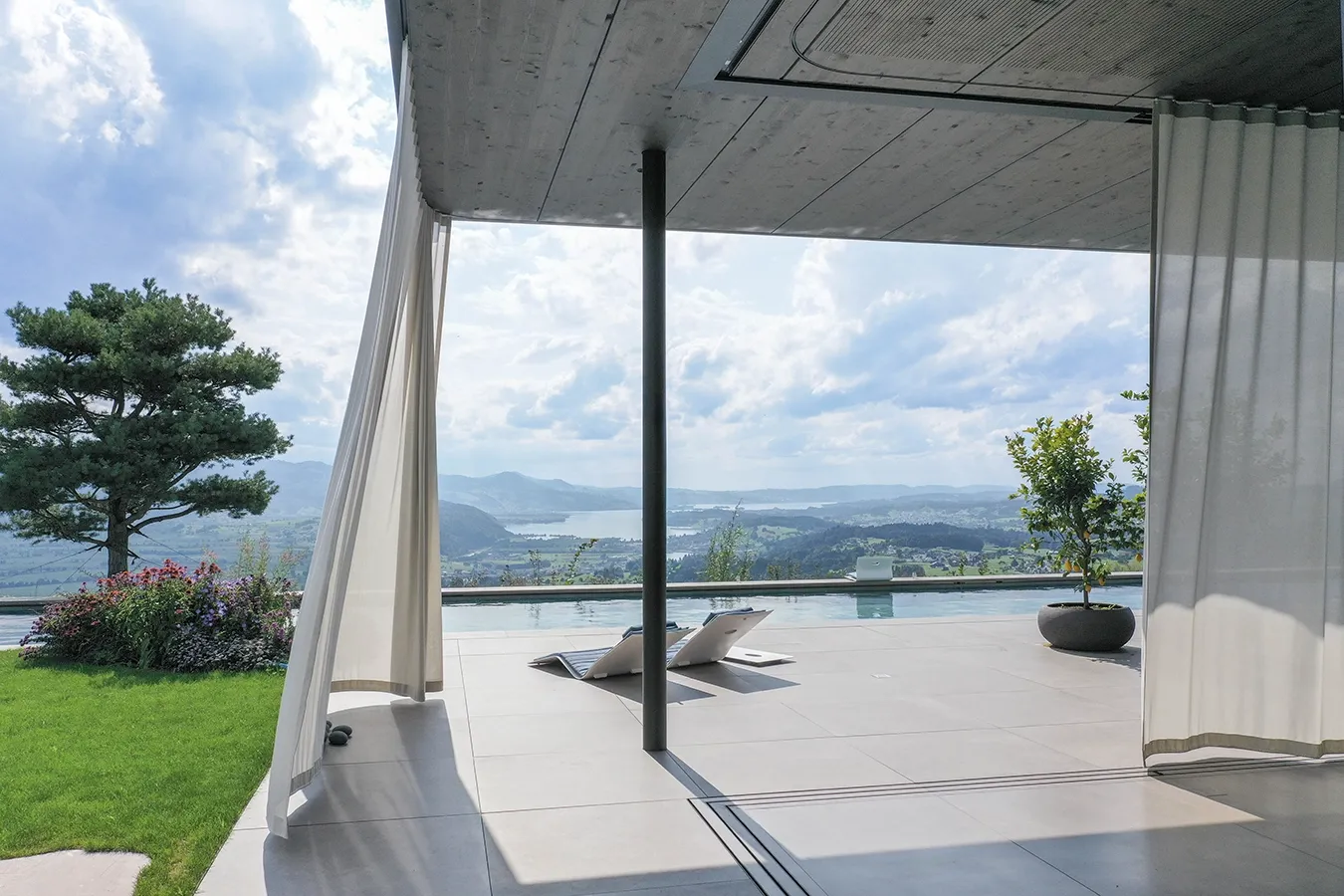
Stone look porcelain tiles with R11 finish installed on a residential pool deck and outdoor living area

Evaluate surface texture and grip level

Structured R11 and grip R11 finishes both achieve the same slip resistance classification but differ significantly in look and feel. Structured finishes feature a visible three-dimensional texture that provides natural traction, making them ideal for pool areas and backyard paths where barefoot traffic is expected. Grip finishes achieve R11 through applied grit on a smoother surface, preserving a clean look for projects where a sleeker appearance is a priority.

Choose the right thickness and format

For outdoor applications, 3/4 inch (2 cm) porcelain pavers are the industry standard, offering superior resistance to mechanical stress, heavy loads, and weathering compared to standard indoor thicknesses. These tiles can be installed using dry laying methods on gravel, sand, or grass, as well as traditional adhesive installation on concrete substrates. Larger formats such as 24x48 inches (60x120 cm) create visual continuity with fewer grout lines, while smaller formats like 24x24 inches (60x60 cm) allow easier sloping for drainage in areas where water management is a priority.

Maintenance, cleaning & installation tips for R11 outdoor tiles

R11 porcelain tiles require minimal maintenance to preserve their slip-resistant properties and long‑term appearance. Regular sweeping removes leaves, dirt, and organic debris that can settle into the surface texture and gradually reduce traction. For routine cleaning, a neutral-pH detergent diluted in warm water is usually sufficient. Apply it with a soft‑bristle brush and rinse thoroughly. Avoid waxes, polishes, or acidic products, as they can leave residues that compromise both the finish and slip performance. Pressure washers should be used with caution, as excessive pressure can damage grout joints or force water beneath the installation, especially on pedestal systems. For a full breakdown of cleaning routines and stain‑removal techniques, check out our detailed guide on how to clean porcelain tiles.

When it comes to laying porcelain tiles outdoors, several methods are available depending on the project and substrate:

  • Dry laying on grass: ideal for garden paths and areas where soil permeability is important

  • Dry laying on gravel: promotes drainage, suitable for walkways and access areas

  • Dry laying on sand: allows easy installation and quick adjustments

  • Laying on concrete slab with adhesive: provides maximum stability, ideal for driveways, garages, and areas open to vehicle traffic

  • Raised laying with adjustable pedestals: allows wiring and piping below, with excellent water drainage and easy inspection

Proper substrate preparation and adequate slope are essential regardless of the method chosen. A proper slope ensures water flows away from the surface rather than pooling, preserving both safety and long‑term tile performance.

Frequently asked questions about R11 tiles

Are R11 tiles harder to clean?

R11 tiles are slightly harder to clean than smooth or polished porcelain tiles because their textured surface can trap dirt and debris. However, regular sweeping and cleaning with a neutral pH detergent and warm water is usually all that’s needed to keep them in optimal condition. Avoiding waxes and acidic products helps maintain both the surface finish and slip-resistant properties over time.

Can R11 tiles be used around pools?

Yes, R11 tiles are an excellent choice for pool decks and spa surrounds. For areas with barefoot traffic, look for tiles that also carry a DIN 51097 barefoot classification of B or C, which specifically measures grip on wet surfaces under bare feet. This dual certification ensures reliable traction whether you're wearing shoes or walking barefoot around water.

Do R11 tiles feel rough underfoot?

R11 tiles don’t necessarily feel rough underfoot. The tactile sensation depends on the type of finish: structured R11 surfaces have a more pronounced three-dimensional texture that feels natural and authentic, while grip R11 finishes apply anti-slip grit to a smoother surface, resulting in a less textured feel. Modern manufacturing techniques have made it possible to achieve certified R11 performance without sacrificing underfoot comfort.

Are R11 tiles slippery when wet?

No, R11 tiles are engineered to maintain high traction on wet surfaces. The R11 classification is determined by testing on oil-wet ramps at angles between 19° and 27°, a condition far more demanding than typical rain or water exposure. This means R11 porcelain tiles maintain reliable grip even during heavy rain, morning dew, or routine cleaning with water.

Are R11 tiles good for wet outdoor areas?

R11 tiles are one of the best choices for wet outdoor areas such as patios, decks, backyard walkways, and pool areas. Their certified high-grip performance ensures safe footing in environments regularly exposed to rain, humidity, and standing water. Combined with the inherent properties of porcelain, such as frost resistance and water absorption below 0.5%, R11 tiles deliver long-term safety and durability in demanding outdoor conditions.

What is the difference between R10 and R11?

The difference between R10 and R11 comes down to the level of grip each rating provides. R10 offers medium slip resistance tested at ramp angles between 10° and 19°, making it suitable for covered outdoor areas and indoor wet spaces. R11 provides high slip resistance tested between 19° and 27°, making it the recommended minimum for uncovered exterior surfaces exposed to rain, frost, and standing water. For most residential outdoor projects, R11 is the safer and more reliable specification.

You might also be interested in