


Silky tile finishes: the complete guide

Silky tile finishes: the complete guide

What is a silky tile finish?

A silky tile finish is a smooth, anti-reflective porcelain surface that delivers a velvety underfoot feel and a refined, low-sheen warmth to any interior space. Often referred to in the industry as honed or satin finishes, this surface replicates the elegant appearance of natural stone ground to a soft, uniform surface, while offering the superior durability and low maintenance of porcelain.

Unlike polished or glossy surfaces, a silky porcelain tile absorbs and diffuses light instead of reflecting it, creating a warm visual depth that enhances the color richness of the material without glare. The result is a tactile tile texture that feels remarkably soft to the touch, making it a top choice among porcelain surface finishes for residential interiors where sensory appeal and understated elegance are equally important. To understand what makes this finish distinctive, it helps to compare it with the two finishes it’s most often measured against: matte and polished.

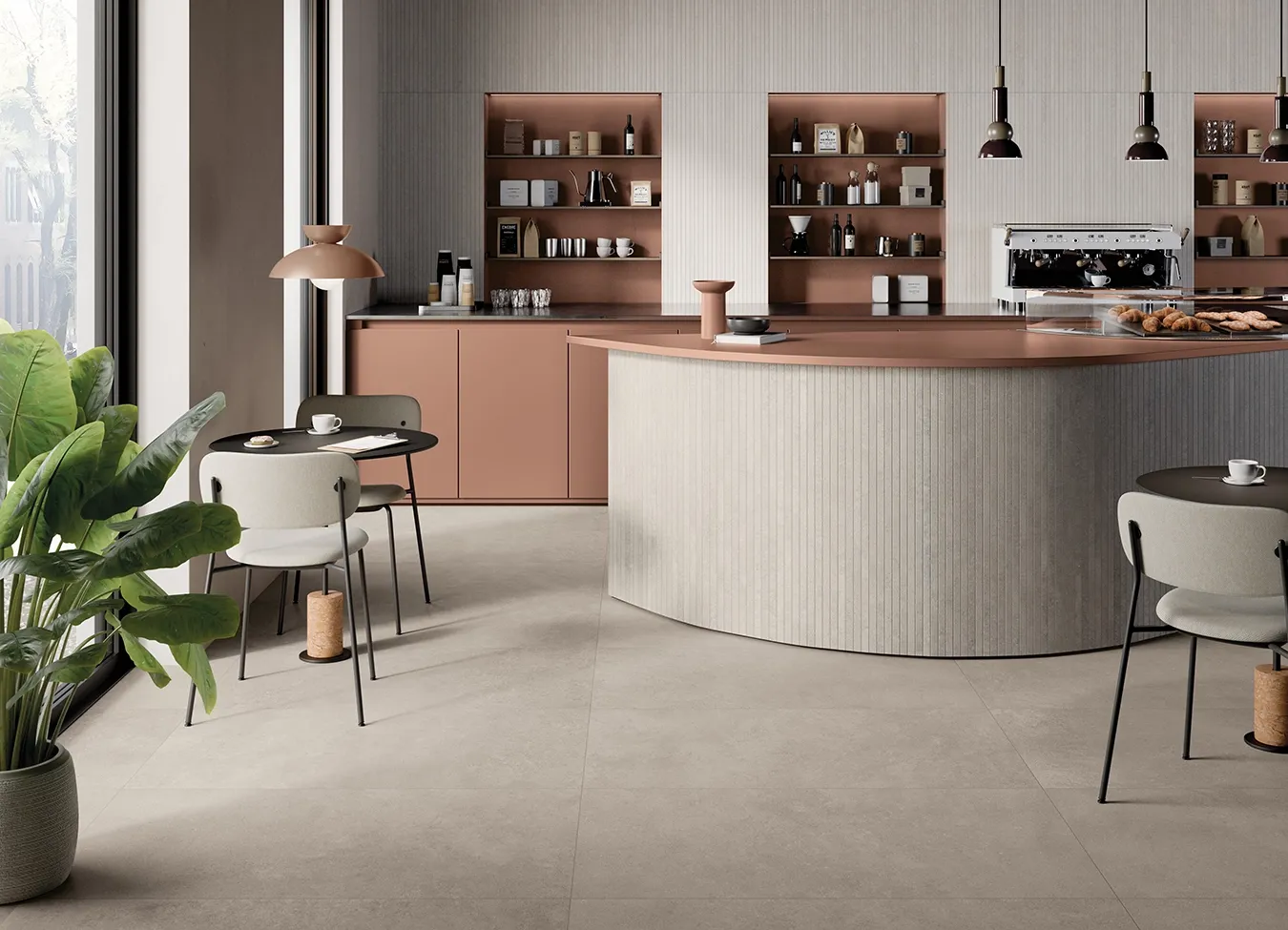
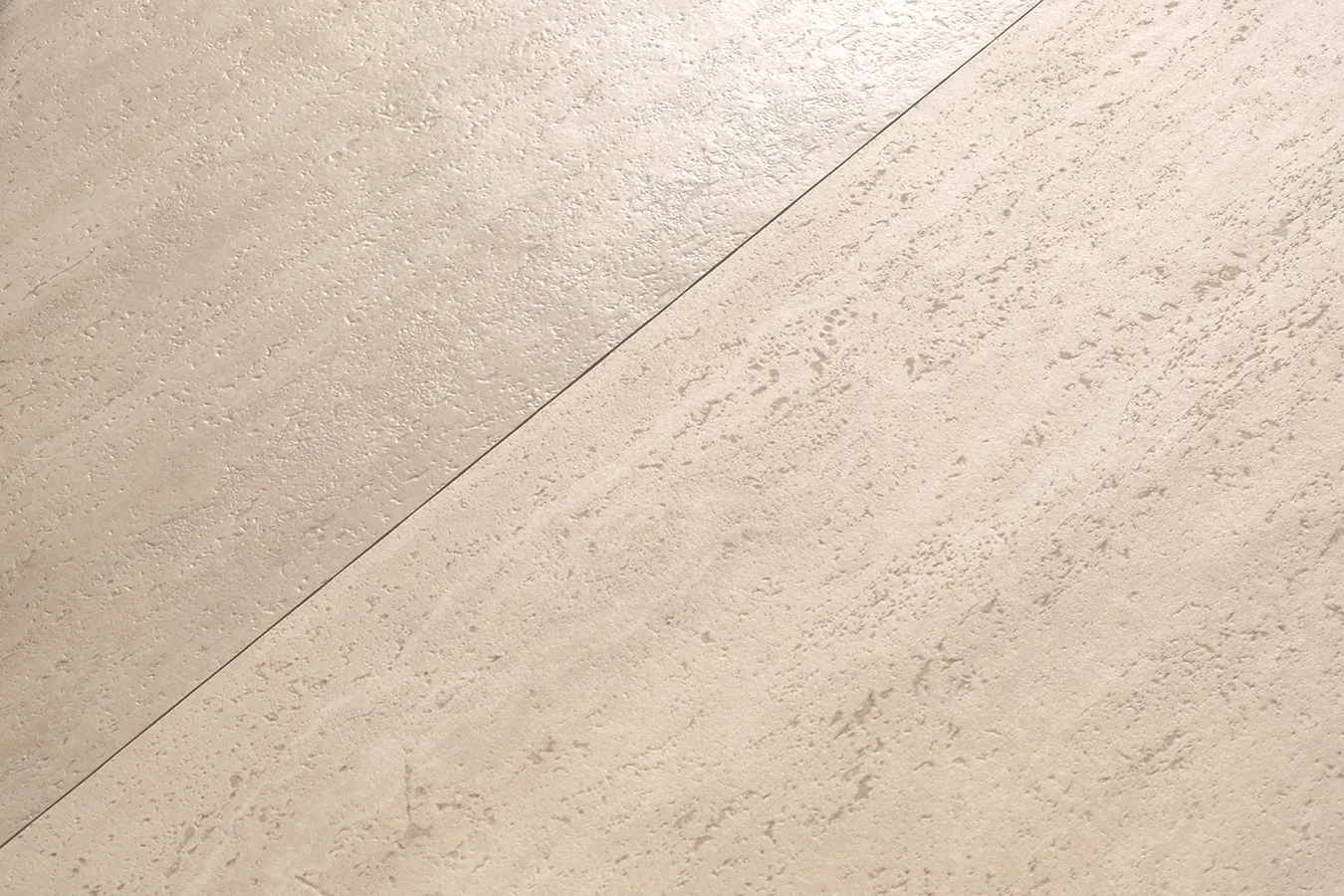
Silky travertine look porcelain tile next to matte finish tile showing the difference in surface texture and sheen
Trevi Walnut
Trevi Walnut

Silky tile vs matte tile: key differences

A silky tile finish delivers a smoother, more refined tactile feel compared to a matte tile, which offers a soft but slightly textured surface better suited for concealing everyday wear. Both are non-reflective, but the way they interact with light and feel underfoot sets them apart in several key areas:

  • Surface feel: a silky tile has a soft, velvety profile that replicates the performance of honed natural stone; a matte tile has a lightly textured profile that prioritizes traction and durability over softness

  • Light interaction: both absorb rather than reflect light, but a silky finish produces a subtle, warm low-sheen glow that enhances color depth, while a matte surface reads flatter and more neutral overall

  • Best applications: matte finishes like Natural R9 excel in high-traffic and functional surfaces; silky tiles are best suited for residential interiors where sensory comfort and visual refinement are the priority

  • Maintenance: both are easy to clean; silky tiles have a smoother profile that resists dirt buildup, while more heavily textured matte finishes may require a bit more effort

The choice comes down to whether you want a surface built for everyday versatility or one designed to elevate the tactile and visual character of a room. The same question applies when comparing silky tiles to the opposite end of the spectrum: polished finishes.
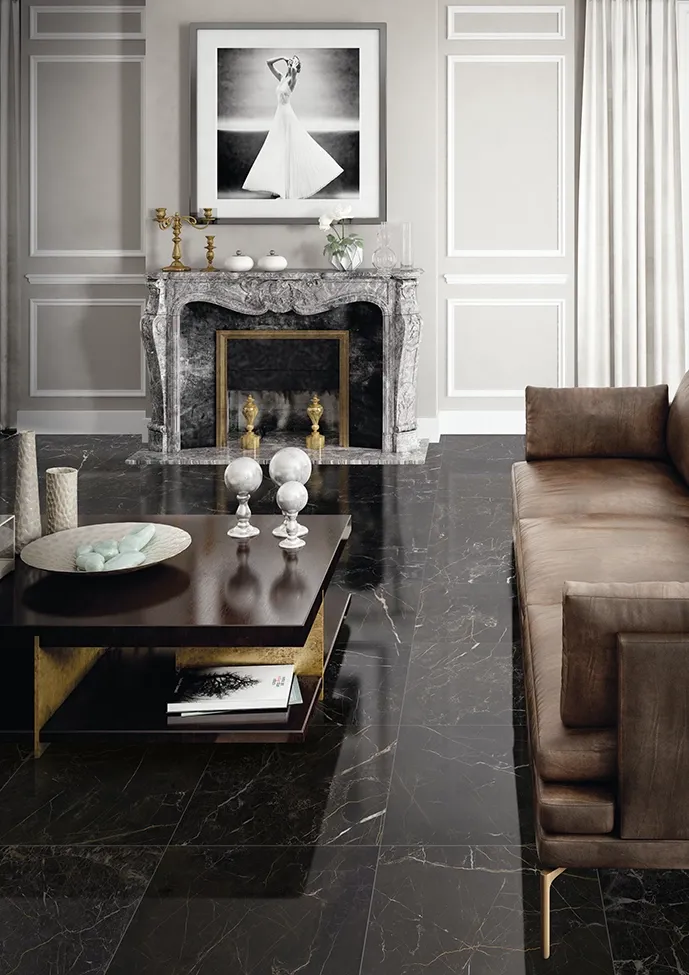
Polished black marble look porcelain tile floor in an elegant living room with fireplace
Elements Lux Port Laurent
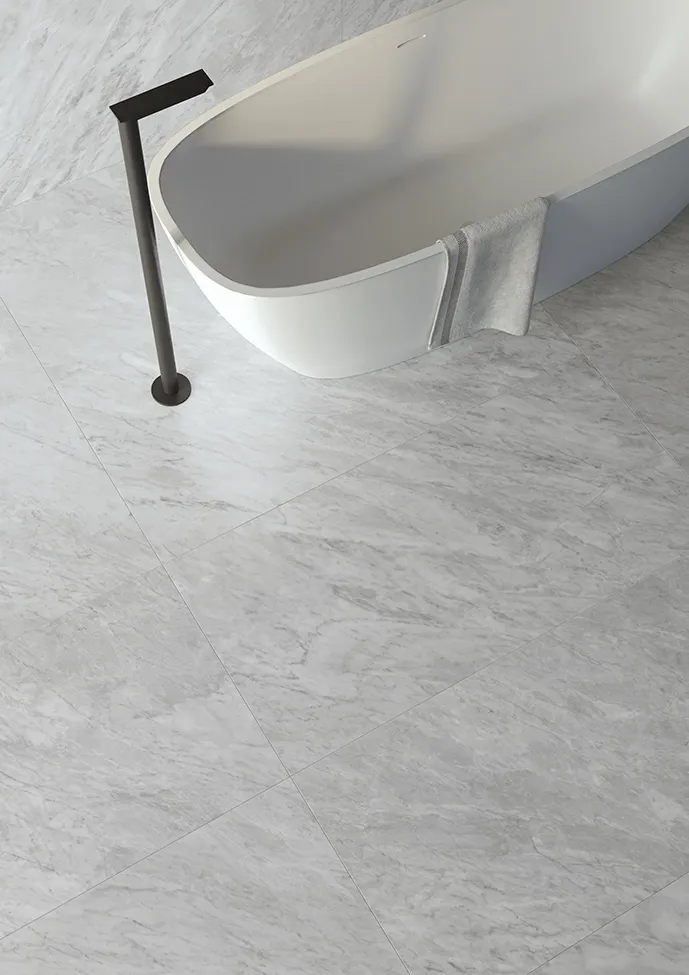
Silky marble look porcelain tile floor in a bathroom setting with freestanding bathtub
Versilia Bardiglio Silver

Silky tile vs polished tile: when to choose one over the other

Choose a silky tile finish for a smooth, low-maintenance surface with understated elegance, and a polished tile for maximum light reflection and visual impact. Both deliver a sense of refinement, but they achieve it in very different ways:

  • Surface feel: silky tiles offer a velvety, anti-reflective surface that feels smooth and soft underfoot, while polished finishes like Lappato are mechanically buffed to a mirror-like sheen

  • Light interaction: silky finishes absorb and diffuse light for a warm, glare-free appearance; polished tiles reflect light intensely, enhancing veining and color depth, especially on marble effect porcelain tiles

  • Best applications: polished tiles perform best in dry residential spaces like formal living rooms and hallways; silky porcelain tiles are suited for a broader range of residential spaces, including high‑use areas that see daily foot traffic

  • Maintenance: polished surfaces show fingerprints, water spots, and dust more readily; silky tiles are more forgiving and require less upkeep

The decision depends on whether your space calls for bold luminosity or quiet, tactile sophistication. For those drawn to the silky option, Ceramiche Keope has developed an advanced version that extends its possibilities even further.

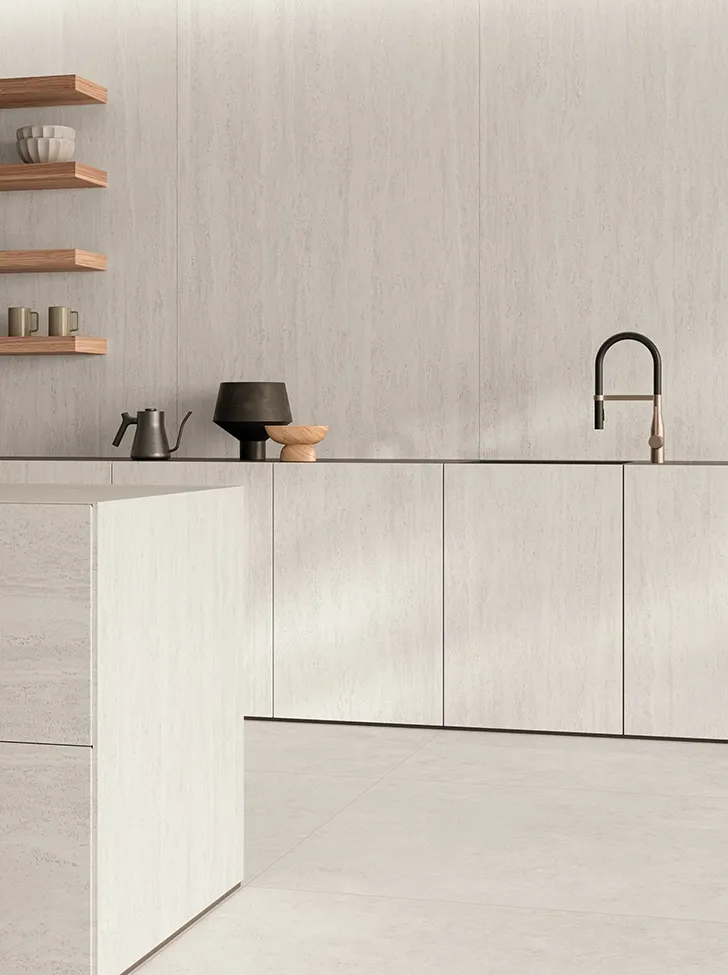
ULTRAsilky travertine look porcelain tile on kitchen wall and island in a contemporary minimalist interior
Trevi White Cross
Trevi White Cross

ULTRAsilky & velvety‑touch finishes: how they compare to standard silky tiles

ULTRAsilky is an advanced soft-touch technology developed by Ceramiche Keope that builds on the standard silky finish with measurably improved technical performance. While a traditional silky porcelain tile already offers a smooth, anti-reflective surface with a velvety feel, ULTRAsilky takes it further through a patented micro-topography: dense, steep micro-reliefs that are invisible to the naked eye and increase the dynamic coefficient of friction without altering the tactile softness of the surface.

The key advantage is functional. ULTRAsilky achieves "interior wet" certification under ANSI A326.3 (DCOFwet ≥ 0.42), meaning it provides reliable traction in areas where water is present, such as bathrooms, laundry rooms, and powder rooms. A standard silky finish, while elegant and comfortable, does not offer this level of certified slip resistance. For homeowners, designers, and installers who want the refined look and feel of a satin surface with slip-resistant performance in wet areas, ULTRAsilky bridges a gap that traditional silky tiles cannot. This blend of sensory appeal and technical performance is what makes silky porcelain tiles such a compelling choice. The following section breaks down each of these advantages in detail.

Benefits of silky porcelain tile finishes

Silky porcelain tile finishes offer a rare combination of visual refinement, tactile comfort, and everyday practicality that makes them one of the most versatile options for residential surfaces. From their distinctive low-sheen appearance to the pleasant underfoot feel they provide, these surfaces address both the aesthetic and functional needs of modern living spaces. Here is a closer look at what sets them apart.

Low-sheen, premium aesthetic

A silky tile finish produces a subtle, diffused glow that adds warmth to a room without the intensity of polished or glossy surfaces. This low-sheen quality allows colors and patterns to appear natural and true to the material they replicate, whether marble, stone, or travertine. The result is an interior that feels elevated yet effortless, well suited for both contemporary and transitional design styles.

Velvety, soft-touch feel

The defining characteristic of a silky porcelain tile is its tactile quality. The surface feels noticeably smooth and pleasant underfoot, closer to the sensation of fine fabric than to traditional ceramic surfaces. This soft-touch tile finish makes silky tiles a preferred option for spaces where physical contact with the surface is frequent, adding a layer of everyday comfort that other finishes do not provide.

Comfortable for barefoot areas

Porcelain tiles with a silky finish offer optimal underfoot comfort for barefoot walking. The smooth, velvety texture mitigates the rigid sensation often associated with standard floor tiles, creating a tactile comfort that is noticeable from the first step. Combined with the high thermal conductivity of porcelain surfaces, which works effectively with radiant floor heating systems, a silky finish supports consistent, warm underfoot temperatures year‑round.

Easier to clean than deep‑matte textures

One of the practical advantages of silky tiles over heavily textured or deep-matte finishes is a smoother surface profile, which means fewer micro-valleys where dirt and residue can build up. Routine cleaning requires nothing more than warm water and a neutral cleaner. For homeowners who want a refined look without adding extra effort to their cleaning routine, silky porcelain tiles keep things simple.

Ideal for warm, contemporary interiors

Clean lines, warm palettes, and natural light define much of contemporary interior design, and a silky tile finish fits right in. Its anti-reflective surface creates a sense of visual calm, reducing glare while letting the natural character of the space come through. Whether paired with wood furniture, neutral tones, or bold accent pieces, silky porcelain tiles bring a quiet sophistication that anchors a room without competing for attention.

Is a silky tile finish easy to clean?

Yes. A silky tile finish is one of the easiest porcelain surfaces to keep clean. Its smooth, non-porous profile prevents dirt and liquids from penetrating the surface, allowing most stains to be removed with warm water and a neutral-pH cleaner. Compared to heavily textured or structured finishes, silky porcelain tiles require significantly less effort during routine maintenance because their surface lacks the deep micro-valleys where contaminants tend to accumulate.

For everyday care, a soft mop or microfiber cloth is all that is needed. Stubborn stains can be addressed with a mild cleaning solution without risk of damaging the finish. This level of practicality makes silky tiles especially appealing for busy households where low-maintenance surfaces are a priority.

For detailed maintenance tips and product recommendations, check out our guide on how to clean porcelain tiles.

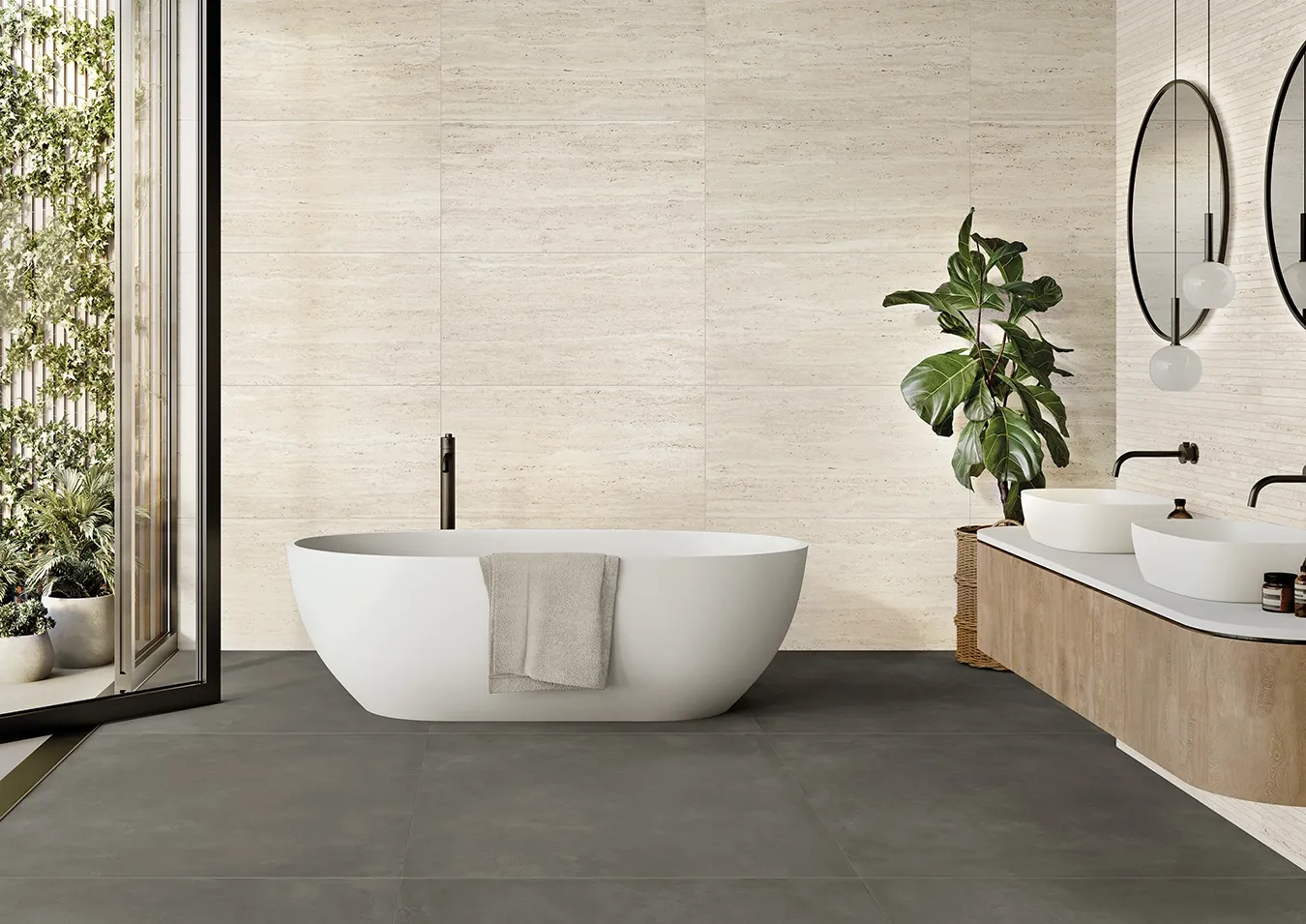
Silky travertine look porcelain wall tiles paired with dark floor tiles in a modern bathroom with freestanding bathtub
Trevi Ivory
Trevi Ivory
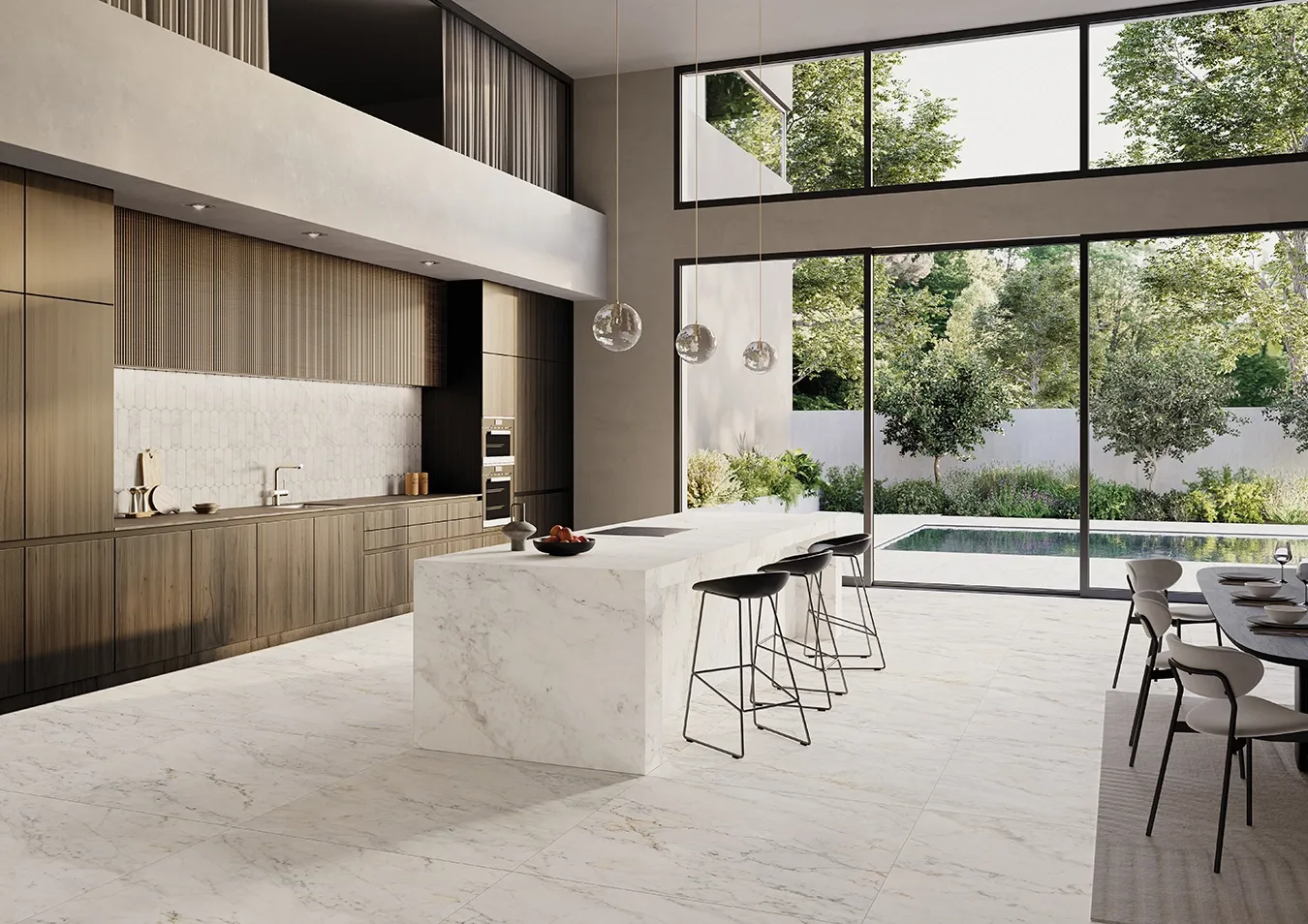
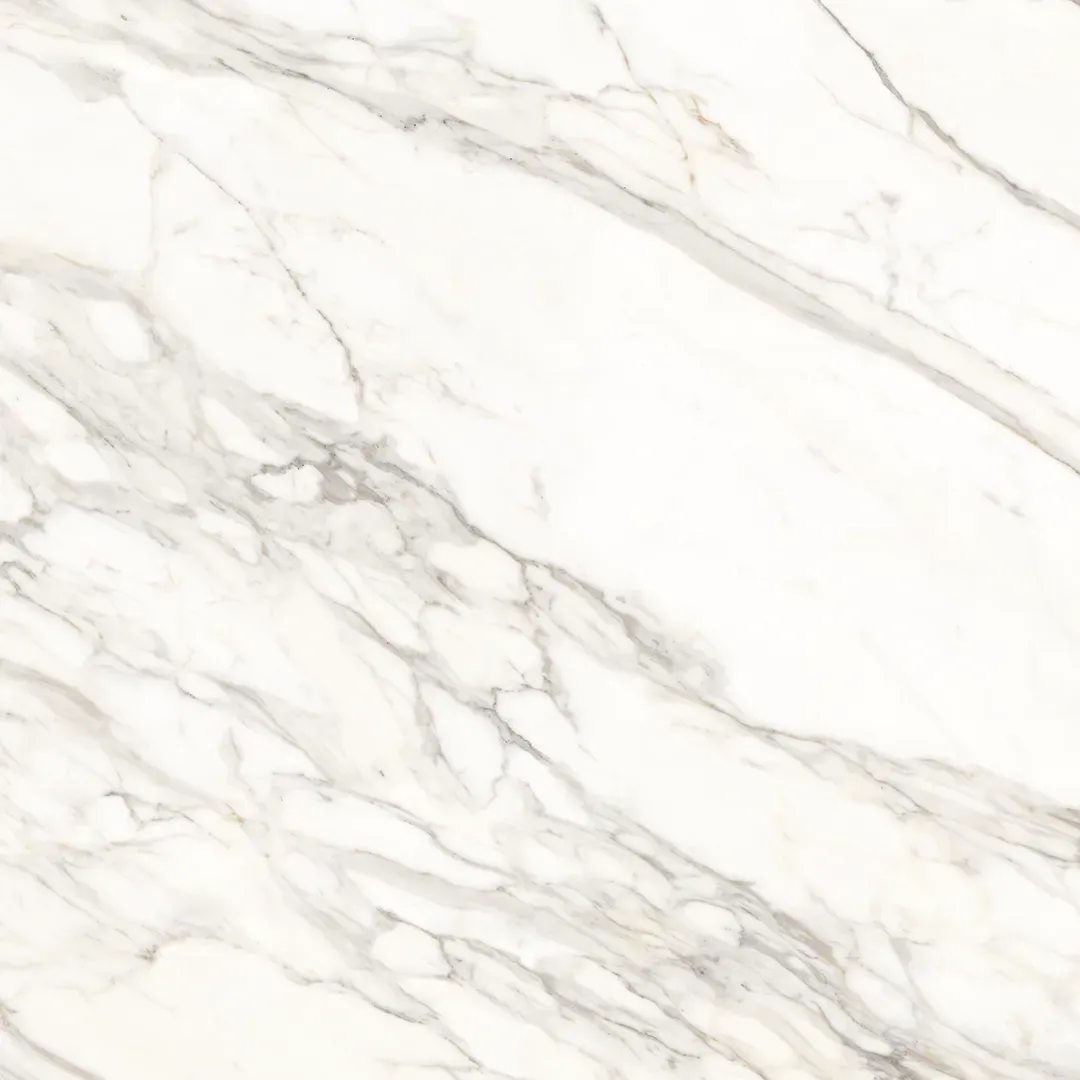
Silky white marble look porcelain tile floor and kitchen island in an open-plan living space with garden view
Versilia Michelangelo White

Best places to use silky porcelain tiles

Silky porcelain tiles perform best in indoor environments where comfort, aesthetics, and easy maintenance matter most. Their smooth, velvety surface and low-sheen appearance make them a natural fit for a wide range of residential applications:

  • Living rooms and bedrooms: silky floor tiles create a warm, inviting atmosphere that pairs naturally with contemporary and transitional interiors

  • Master bathrooms and powder rooms: the ULTRAsilky finish extends the possibilities by offering certified slip resistance (DCOFwet > 0.42) for spaces exposed to water

  • Hallways and entryways: the smooth surface is easy to maintain in high-traffic transition areas while keeping a refined look

  • Kitchen wall tiles and backsplashes: the velvety texture adds depth and sophistication to vertical surfaces without visual noise

  • Open-plan layouts: a consistent low-sheen surface helps unify different zones while maintaining a clean, cohesive design throughout the home

For patios, pool decks, and outdoor kitchens, structured or grip finishes with higher slip resistance ratings are the recommended choice.

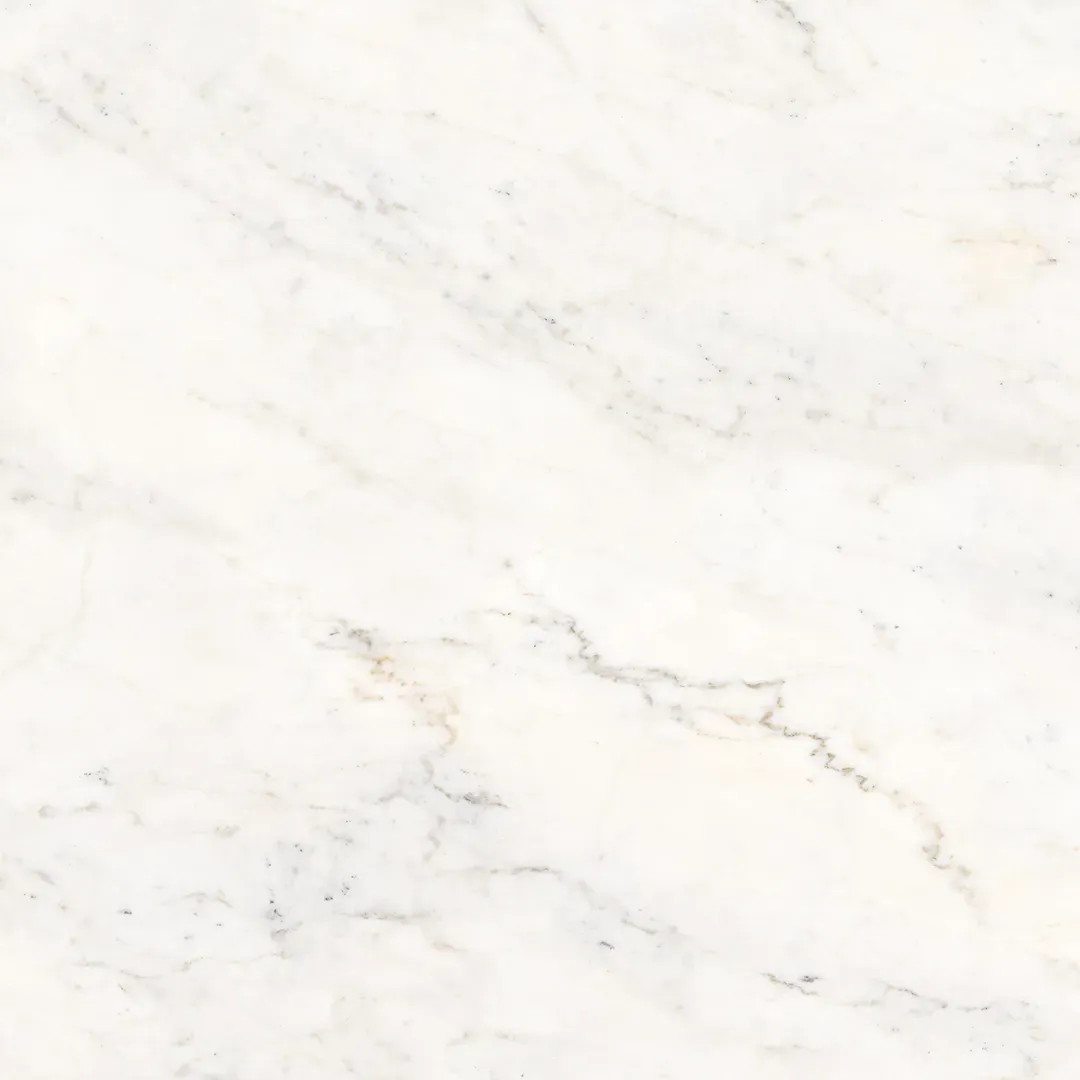
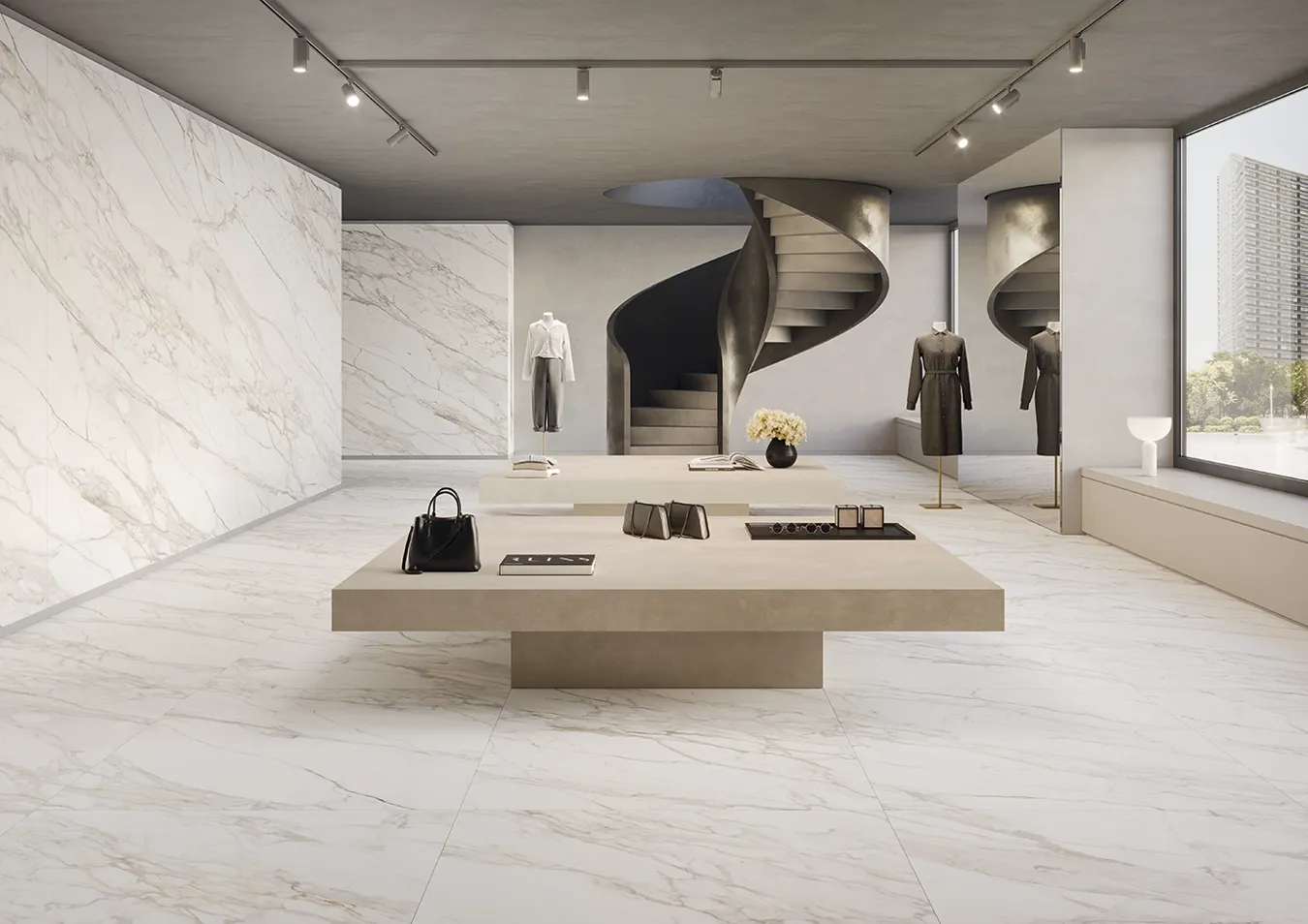
Silky white marble look porcelain tile floor and wall tiles in a luxury commercial space with spiral staircase
Versilia Borghini White

Popular design ideas with silky tile finishes

Silky porcelain tiles open up a wide range of design possibilities thanks to their ability to enhance the natural character of the materials they replicate. The velvety, low-sheen surface adds depth and authenticity that works across multiple styles.

Marble look porcelain tiles in a silky finish are among the most popular choices, delivering the timeless elegance of natural marble with a softer, more approachable feel. The smooth satin surface highlights veining and chromatic depth without the glare of a polished finish, making it ideal for bathroom walls, living rooms, and feature walls. Travertine look tiles also benefit from the silky treatment, where the warm, organic movement of the stone comes through with a natural authenticity that textured finishes cannot replicate in the same way.

Whether you lean toward classic or contemporary, trying different combinations in a tile visualizer like MatchApp is a practical way to see how a silky finish will look in your own space before committing.

How to choose the right silky tile finish

Selecting the right silky tile finish goes beyond aesthetics. A few practical factors will help you narrow down the best option for your specific project and ensure the surface performs as well as it looks.

Consider slip resistance

Slip resistance is the first technical factor to consider when choosing a silky porcelain tile, especially for rooms exposed to moisture. A standard silky finish is best suited for dry indoor areas like living rooms and bedrooms. For bathrooms, powder rooms, or places where water may be present on the floor, the ULTRAsilky finish offers certified "interior wet" performance (DCOFwet > 0.42) in compliance with ANSI A326.3 standards, providing reliable grip without compromising the soft-touch feel.

Evaluate color variation (V1–V4)

Porcelain tiles are classified using a shade variation scale from V1 (uniform appearance) to V4 (substantial variation), which indicates how much color and pattern differ from tile to tile. Silky finishes tend to enhance these variations subtly, as the anti-reflective surface reveals more of the natural chromatic depth in each piece. A lower V rating creates a more consistent, uniform floor, while a higher V rating delivers a more dynamic, natural look. Checking the V rating before ordering helps avoid surprises once the tiles are installed.

Choose the right format

Tile format has a direct impact on how a silky finish reads in a space. Large formats such as 48x48 inch (120x120 cm) or 24x48 inch (60x120 cm) minimize grout lines and allow the velvety surface to flow uninterrupted, making rooms feel more open. Smaller formats work well for accent walls, backsplashes, or detailed layouts where visual rhythm matters more than continuity. Matching format to room size and function ensures the silky finish delivers its full visual effect.

Consider natural light

Natural light plays a significant role in how a silky tile finish appears throughout the day. Because the surface absorbs rather than reflects light, silky tiles maintain a consistent, warm tone even in rooms with large windows or strong directional sunlight. In spaces with limited natural light, choosing lighter colors in a silky finish helps keep the room bright and inviting without relying on the reflectivity of a polished surface.

Frequently asked questions about silky tile finishes

Does silky tile get slippery?

Yes. A standard silky tile offers reduced traction when wet, which is why it is best suited for dry indoor environments. For areas exposed to moisture, ULTRAsilky offers certified slip resistance (DCOFwet > 0.42) in compliance with ANSI A326.3, providing enhanced grip for bathrooms and powder rooms.

Does silky tile show footprints?

No. Silky porcelain tiles show far fewer footprints than polished or glossy finishes. Their anti-reflective, low-sheen surface makes everyday traces and smudges significantly less visible, reducing the need for constant cleaning.

Do silky tiles look more premium?

Yes. Silky porcelain tiles deliver a premium look thanks to their smooth, velvety surface that enhances the chromatic depth and natural character of the material they replicate. The finish is often compared to honed natural stone, adding understated quality to any interior.

Is silky tile good for bathrooms?

No. A standard silky finish is suitable for bathroom wall tiles and dry vanity areas, but not ideal for bathroom floors exposed to water. For wet bathroom floors, ULTRAsilky is the recommended option thanks to its certified "interior wet" slip resistance.

Is silky tile good for kitchen floors?

No. Silky tiles are not the most practical choice for kitchen floors due to frequent spills and heavy foot traffic. ULTRAsilky or matte finishes like Natural R10 or ULTRAmatt offer better slip resistance and durability for this environment. Silky tiles work well as kitchen wall tiles and backsplashes, where their refined texture is easy to maintain.

Can silky tiles be used in showers?

No. Silky tiles should not be used on shower floors, where standing water and constant moisture demand higher slip resistance ratings such as Structured R11 or Grip R11. They can be used on shower walls, where their smooth, non-porous surface handles moisture well and pairs effectively with a slip-resistant tile floor.

You might also be interested in