


The ultimate guide to porcelain tile surface finishes

The ultimate guide to porcelain tile surface finishes

Why surface finishes matter in modern design

The surface finish of a porcelain tile defines how light interacts with the material, how it feels underfoot, and how it performs in specific environments. In contemporary interior design, selecting the right tile finish is a fundamental decision that influences both aesthetics and functionality.

Every space has unique requirements: some demand enhanced safety, others call for effortless maintenance, and many prioritize visual impact. The right finish addresses all these needs while contributing to the overall design vision.

This guide explores the complete range of porcelain tile surface finishes, helping you understand their unique characteristics and choose the ideal solution for every room in your home.

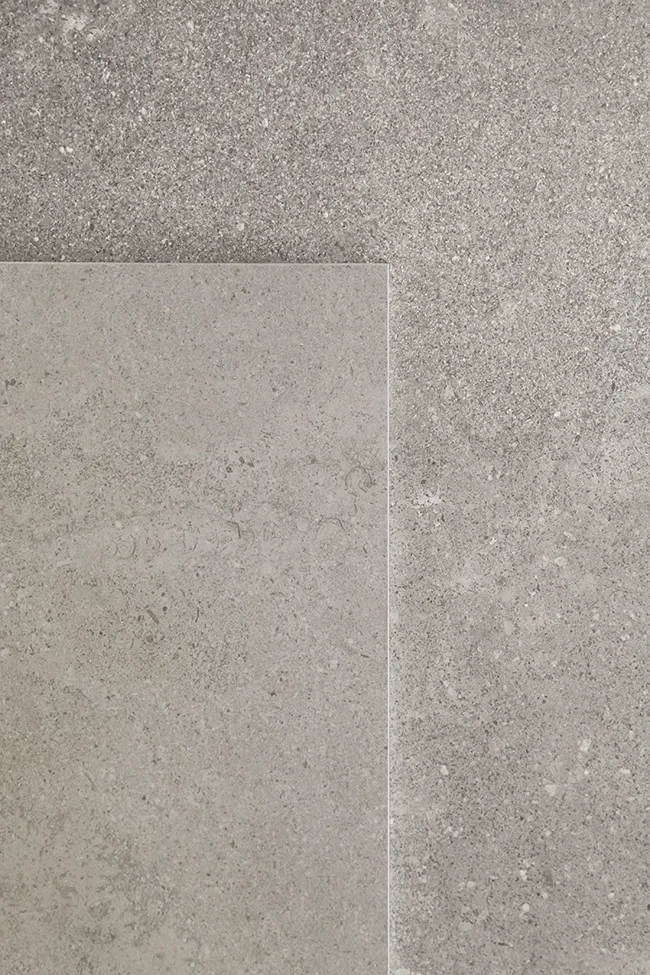
Close-up of grey stone effect porcelain tile surface finishes showing matte and structured textures

What are porcelain tile surface finishes

Porcelain tile surface finishes refer to the treatment applied to the tile's upper layer during the manufacturing process. This treatment determines the final appearance, texture, and technical performance of the material.

From smooth and reflective to textured and non-slip, each finish is engineered to meet specific functional and aesthetic demands. The finish influences key properties such as light reflection, tactile sensation, slip resistance, and ease of cleaning.

Understanding these variables is essential when selecting tiles for different environments, whether residential, commercial, or outdoor applications.
Matte vs polished: key differences

The difference between matte and polished tile finishes lies primarily in how they interact with light, which is one of the most fundamental choices in tile selection. Matte surfaces absorb light, producing a soft, understated appearance with minimal glare. Polished surfaces reflect light, creating luminosity and depth that enhance the visual richness of patterns and veining.

From a practical perspective, matte finishes offer superior slip resistance and conceal minor imperfections, making them ideal for heavy-traffic areas. Polished tiles deliver elegance in formal settings and work beautifully with effects such as marble look porcelain tiles

However, their reflective surface requires more frequent cleaning compared to matte alternatives and is better suited for dry indoor environments.

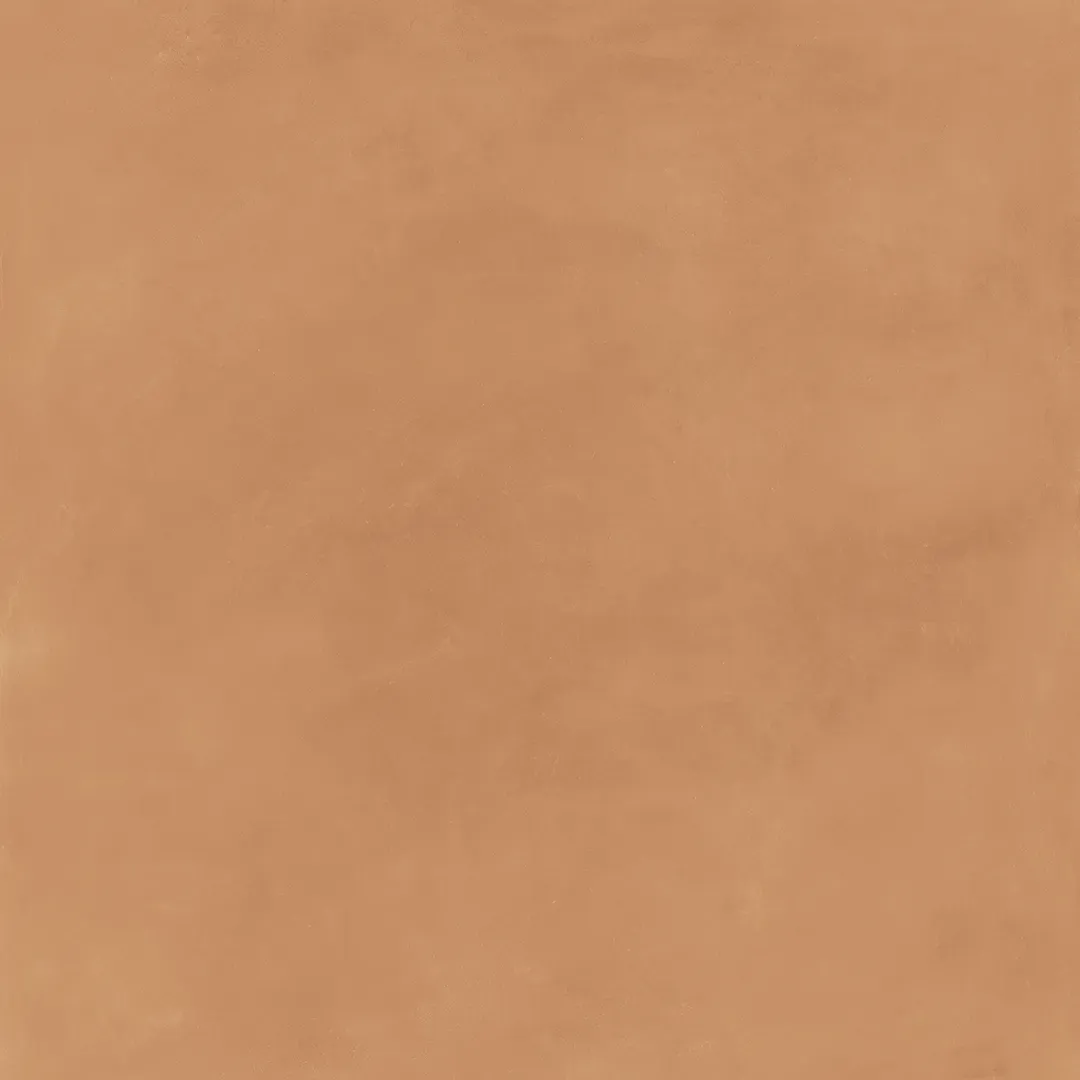
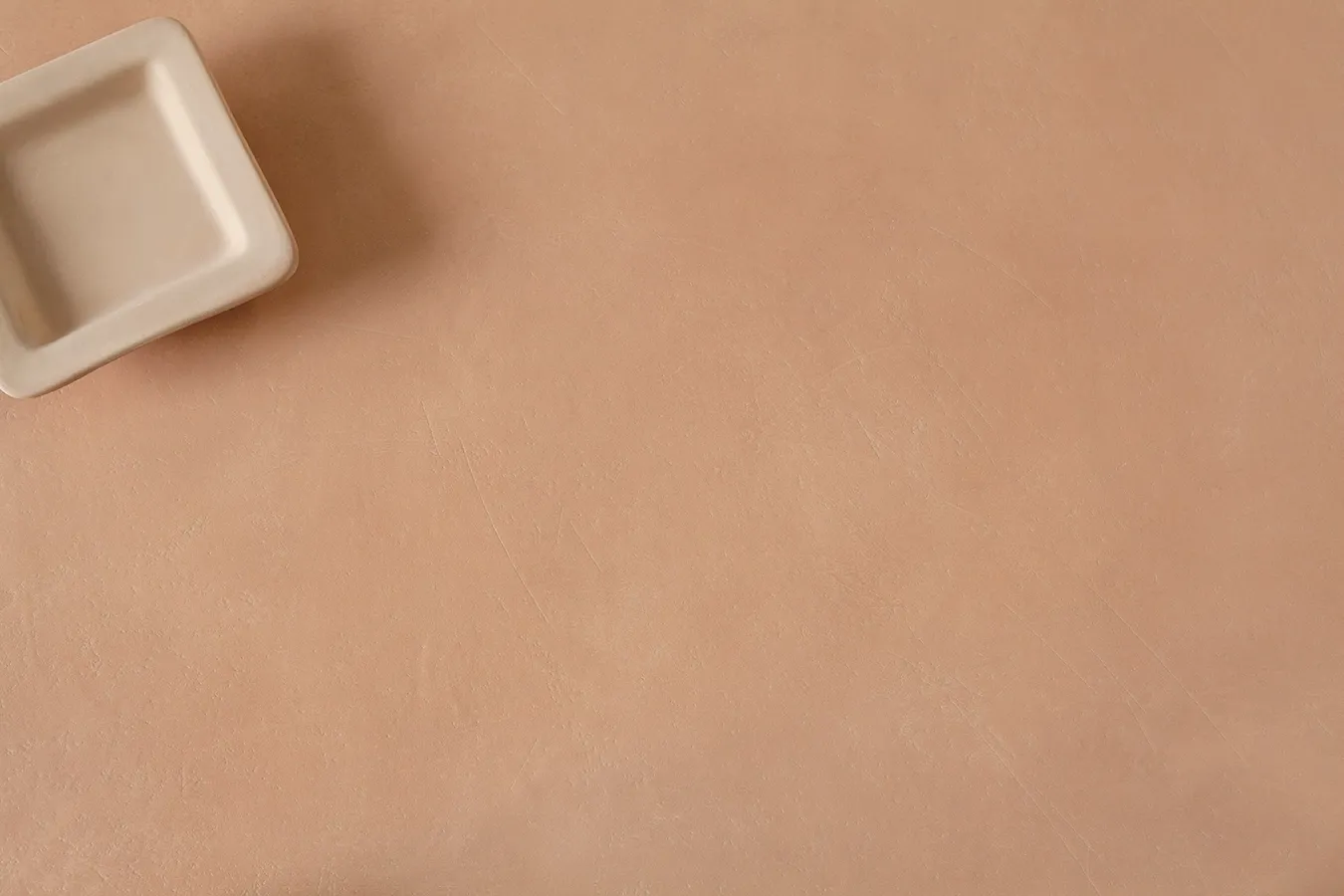
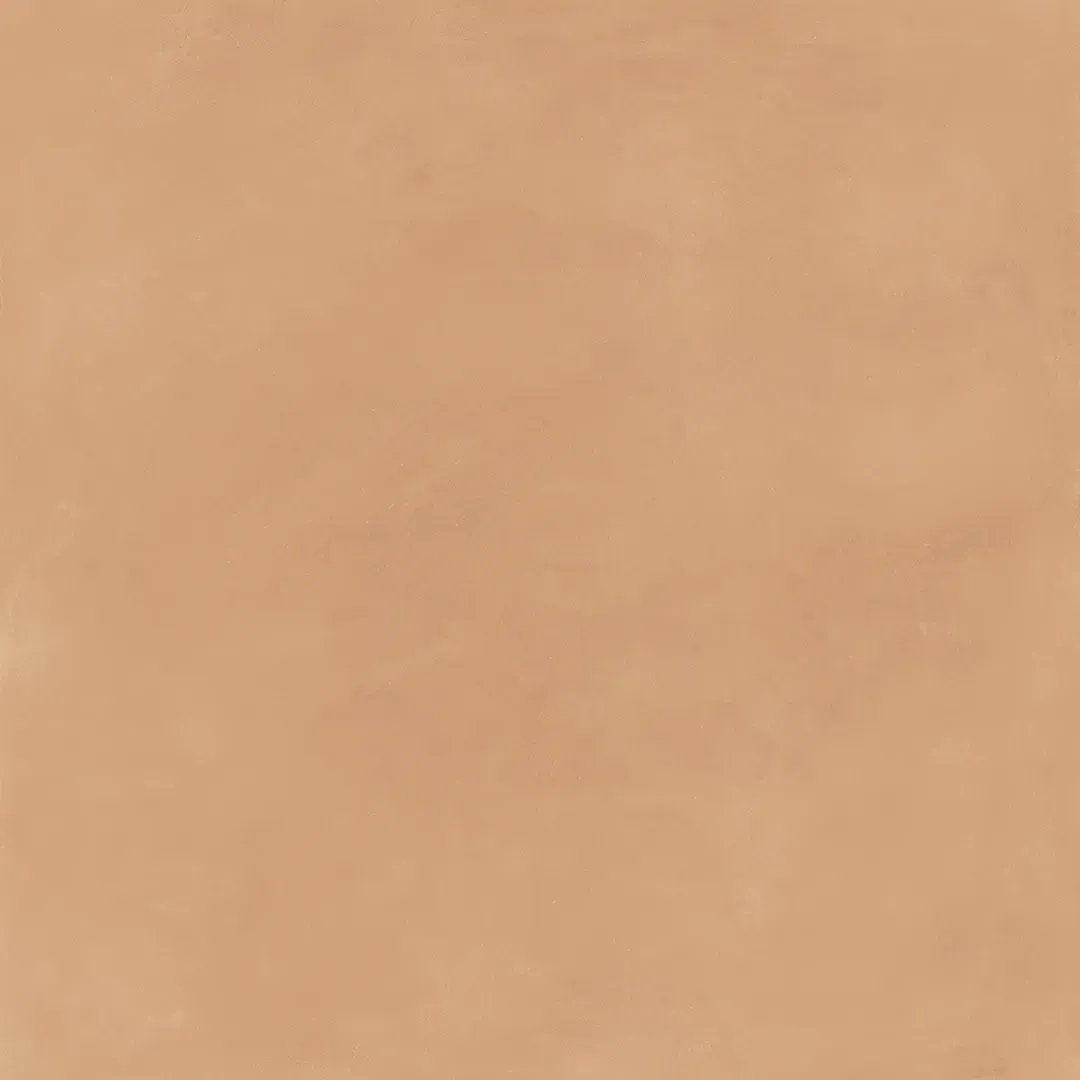
Matte terracotta look porcelain tile with smooth surface finish in warm beige tones.
CottoMilano Terracotta

Matte porcelain tile finishes

Matte porcelain tile finishes are characterized by their soft, non-reflective surface that delivers a natural and contemporary aesthetic. This finish absorbs and diffuses light rather than reflecting it, creating spaces with remarkable visual depth and tactile authenticity.

The Natural R9 finish represents the quintessential matte option for interior applications, combining effortless cleaning with timeless appeal. For enhanced performance, Natural R10 offers improved slip resistance while maintaining the same refined appearance. 

The ULTRAmatt finish represents the latest evolution in this category, featuring ultra-fine particles that create a denser surface distribution. This results in enhanced anti-glare properties and a smoother tactile sensation while maintaining certified R10 slip resistance.

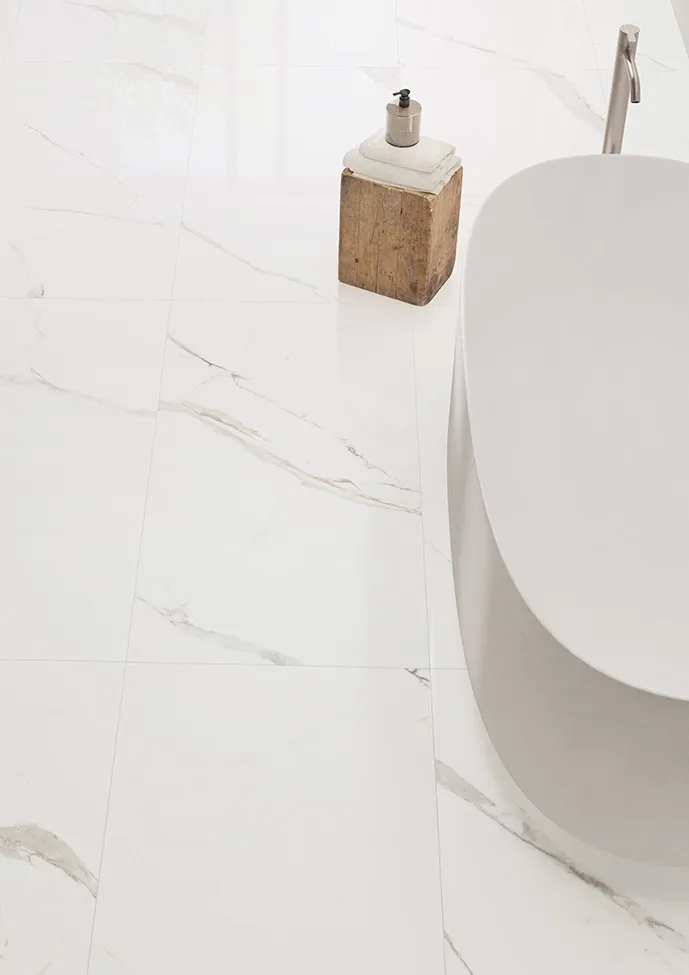
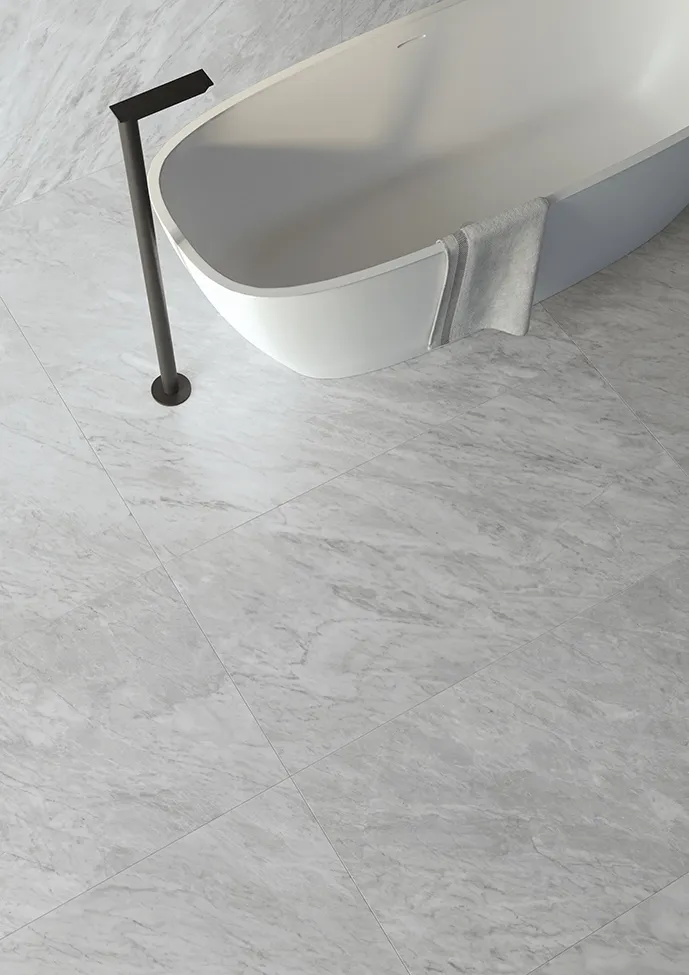
Bathroom floor with polished marble look porcelain tiles featuring elegant grey veining.
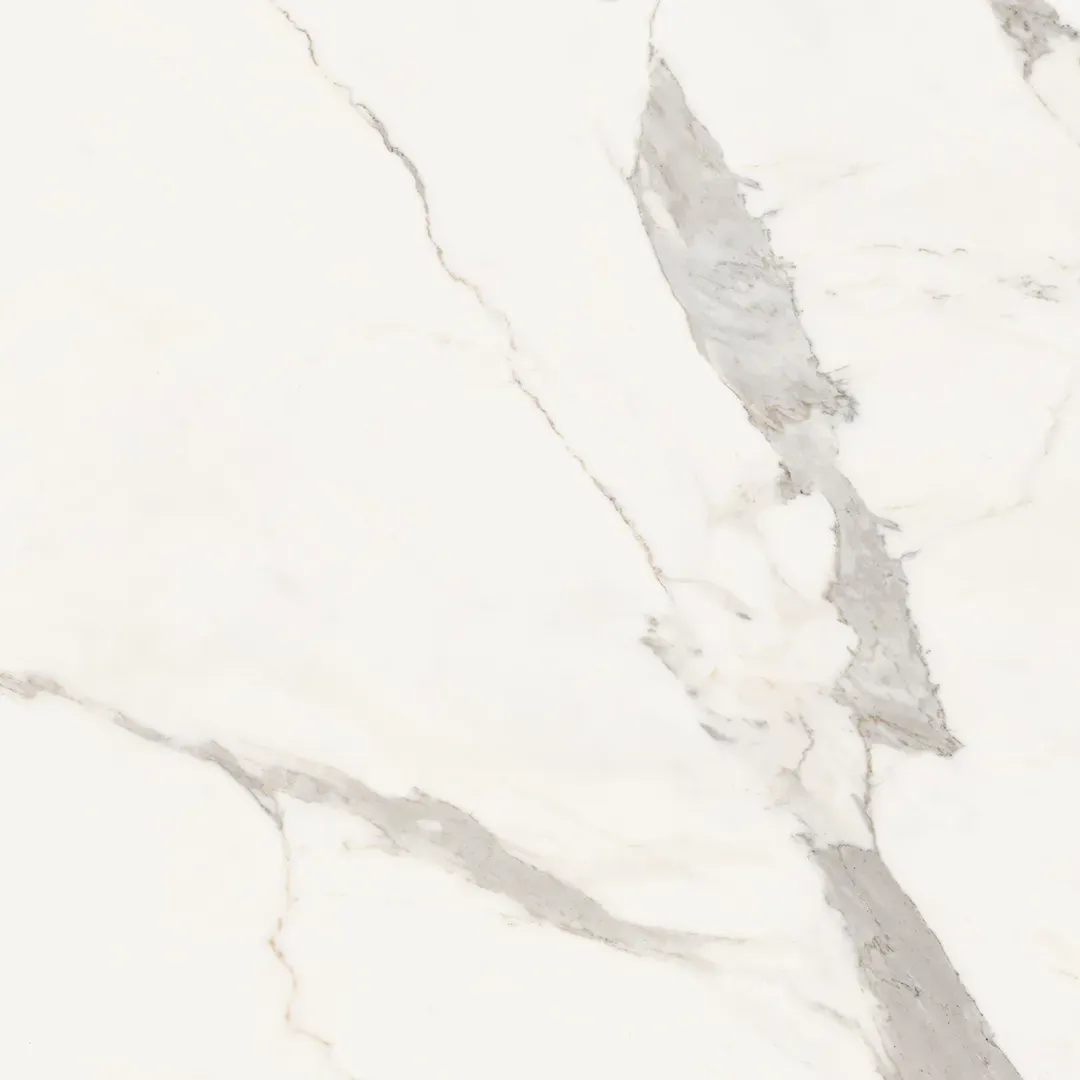
Versilia Assoluto White

Polished porcelain tile finishes

Polished porcelain tile finishes are created through mechanical polishing processes that refine the surface to achieve a mirror-like sheen. This treatment enhances the depth and clarity of the tile, allowing colors and patterns to appear more vivid and luxurious.

The Lappato (polished) finish exemplifies this category, adding depth and unique reflections to the surface. It can replicate the polished appearance of marble with remarkable fidelity, making it an ideal choice for elegant indoor floors and wall tile applications. 

While polished finishes transform any space into a sophisticated environment, they perform best in dry interior areas such as living rooms, hallways, and formal dining spaces.

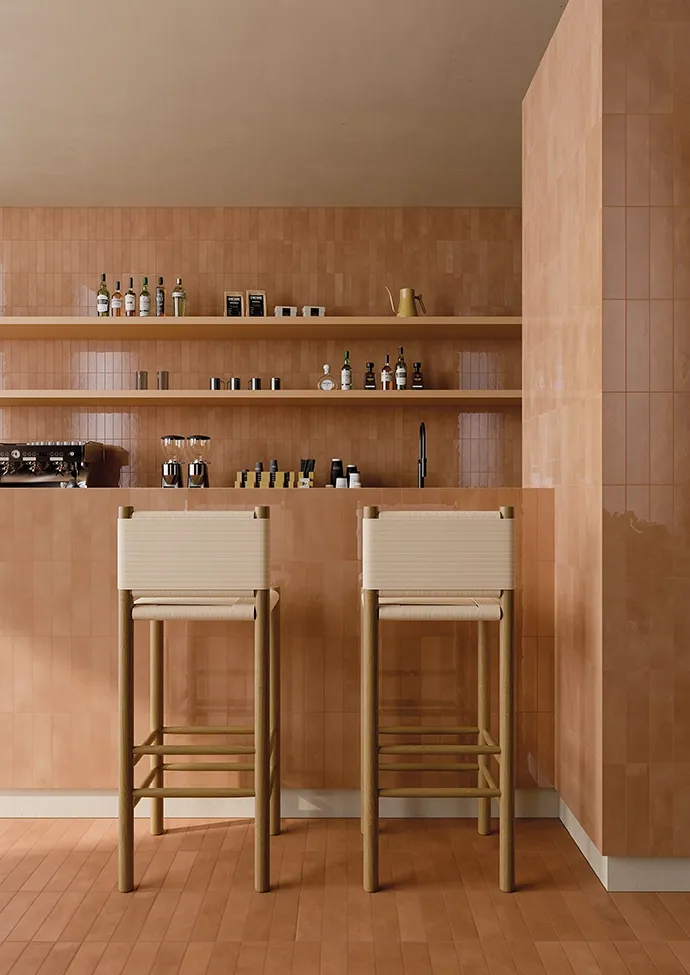
Café interior with glossy porcelain tile walls in warm terracotta tones
CottoMilano Mattone
CottoMilano Mattone

Glossy porcelain tile finishes

Glossy porcelain tile finishes are achieved through the application of glassy glazes that provide brilliance and transparency. Unlike polished finishes, which are mechanically buffed, glossy surfaces rely on vitreous coatings to create their reflective quality, enhancing depth and color saturation.

This finish makes hues appear vibrant and reflective, ideal for wall tile applications with strong visual impact. Glossy tiles excel in spaces where light amplification is desired, such as bathrooms and kitchens, where they can brighten interiors and create a sense of openness. 

Due to their reflective nature, glossy finishes are best suited for vertical applications or low-traffic floor areas where their luminous quality can be fully appreciated.

Bathroom floor with silky marble look porcelain tiles in soft grey tones
Versilia Bardiglio Silver

Silky porcelain tile finishes

Silky porcelain tile finishes feature a perfectly smooth, anti-reflective surface with a distinctive velvety effect. Soft and pleasing to the touch, this finish is ideal for indoor floors and wall coverings where sensory appeal takes center stage. 

In the broader tile industry, this type of finish is often referred to as honed or satin, terms traditionally associated with natural stone that has been ground to a smooth, low-sheen surface. Silky porcelain tiles deliver the same refined aesthetic while offering superior durability and low maintenance.

The ULTRAsilky technology advances this category by combining an extra-smooth satin surface with a higher dynamic coefficient of friction, achieving "interior wet" certification. This innovation extends the application possibilities to spaces where elegance and slip resistance must coexist.

Non-slip & structured finishes explained

Non-slip and structured finishes are porcelain tile surfaces engineered to provide enhanced safety in environments exposed to moisture, high traffic, or outdoor conditions. Both categories prioritize grip without compromising aesthetic appeal, but they differ in how slip resistance is achieved.

  • Non-slip finishes: achieve grip through surface treatments or the application of fine grit on a smooth surface

  • Structured finishes: rely on three-dimensional textures that mimic natural materials and increase friction naturally

Both solutions are tested and classified according to international standards, with ratings from R9 to R11 indicating increasing levels of slip resistance.

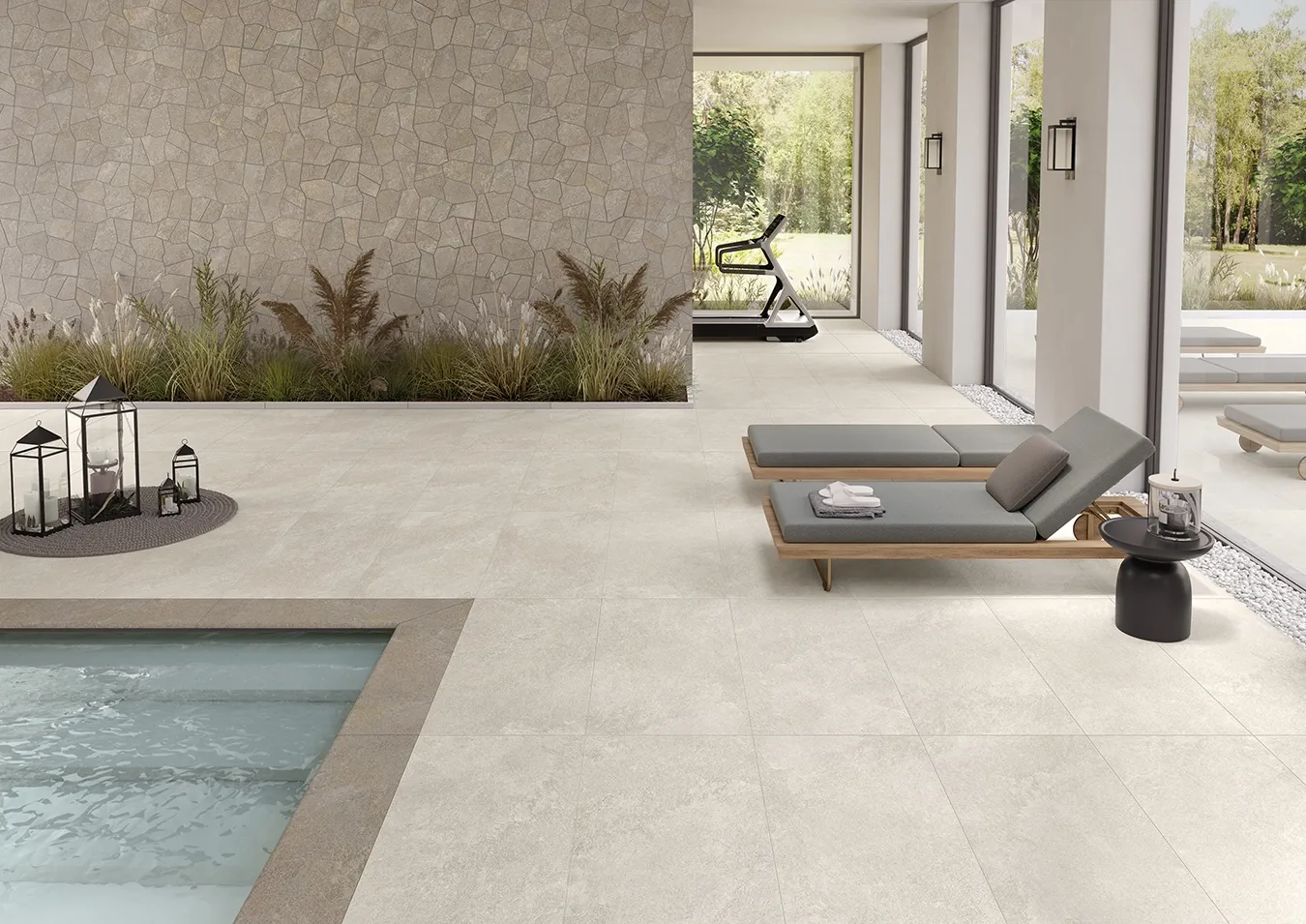
Outdoor terrace with non-slip porcelain tiles in stone effect surrounding a modern pool area
Arkè Ivory
Arkè Ivory

Non-slip porcelain tile finishes

Non-slip porcelain tile finishes are designed to minimize the risk of slipping through specific surface treatments, providing safety across a variety of environments. The R9 classification offers normal grip suitable for most indoor porcelain floor tiles applications, while R10 delivers medium grip ideal for kitchens, bathrooms, and commercial spaces where water may be present.

For more demanding environments, R11 provides high slip resistance,making it the preferred choice for patios, outdoor walkways, and pool decks. Each classification level undergoes rigorous testing to ensure reliable performance. 

Selecting the right rating depends on the intended use: residential interiors typically require R9 or R10, while exterior applications and wet areas benefit from R11 or higher.

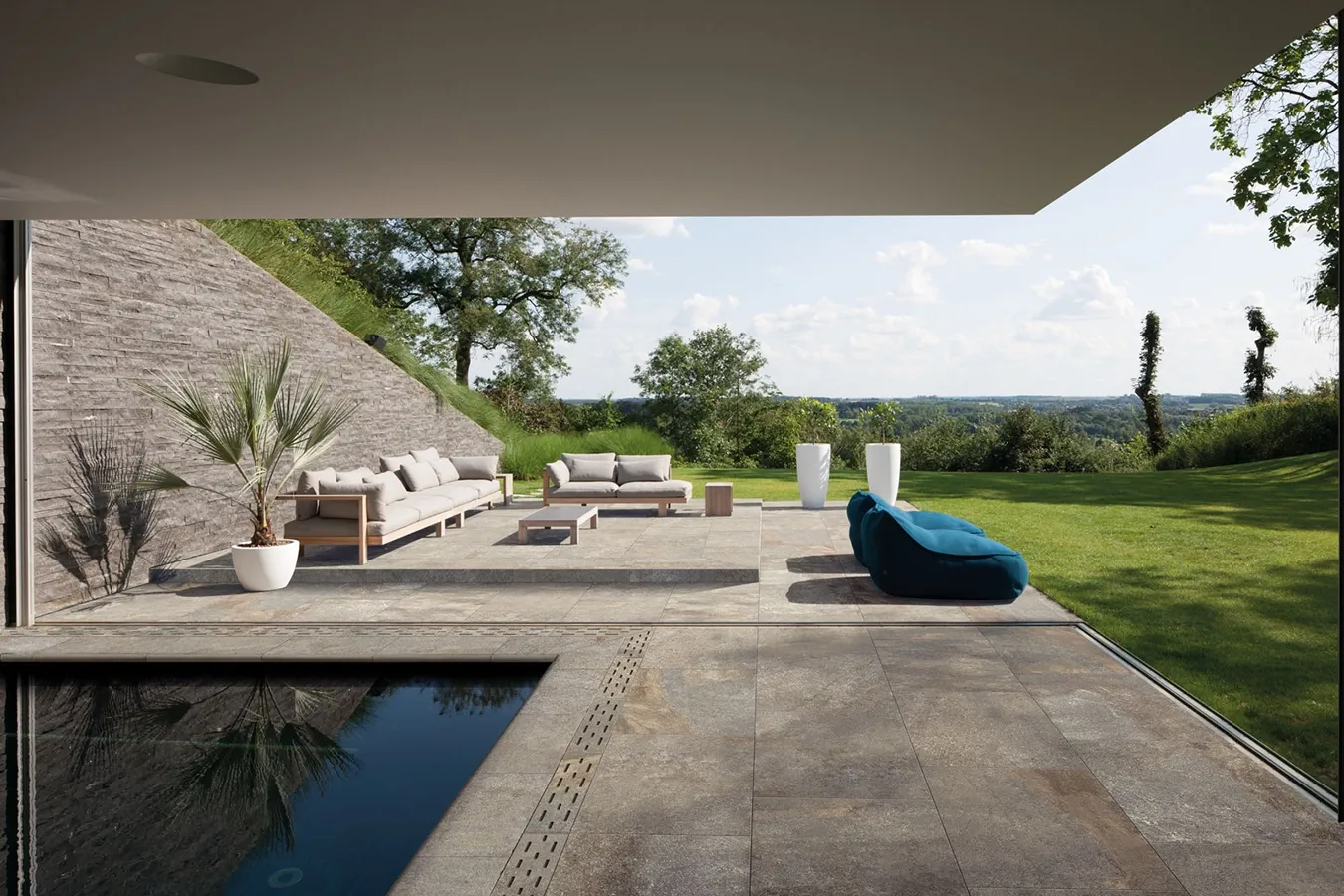
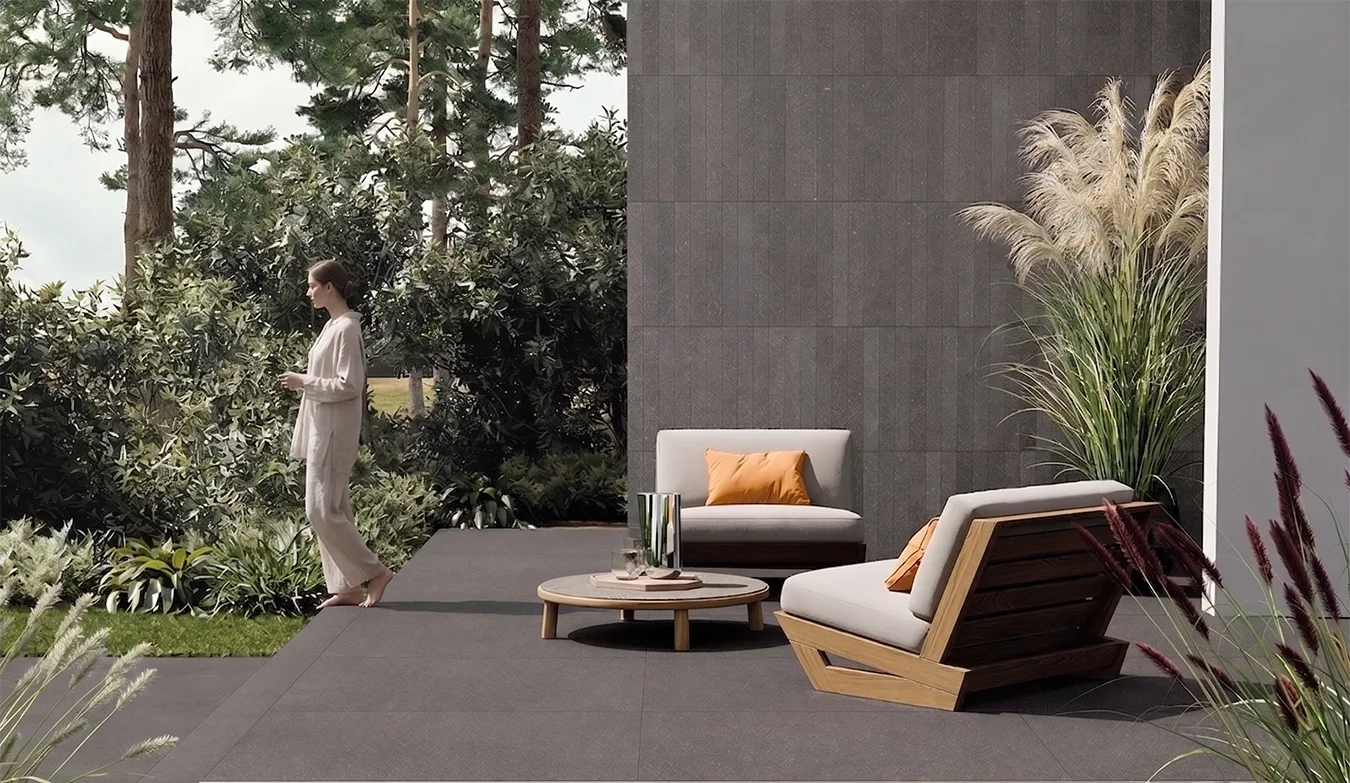
Garden terrace with structured stone effect porcelain tiles and outdoor lounge area by the pool
Midlake Porfido
midlake porfido

Structured porcelain tile finishes

Structured porcelain tile finishes feature a textured surface that mimics the natural irregularities of materials like stone, wood, or concrete. Unlike smooth finishes, these tiles have subtle raised patterns that provide grip underfoot while enhancing the authentic appearance of the material they replicate.

The Structured R10 finish offers a lightweight texture suitable for both domestic and commercial interiors. The Structured R11 features a more pronounced surface, making it the preferred choice for outdoor tiles in backyards, patios, and poolside areas where safety and durability are essential.

How to choose the right finish for your space

Choosing the right tile finish begins with understanding the specific requirements of your space, including the level of foot traffic, exposure to moisture, and the desired visual effect.

Here is a quick guide to matching finishes with environments:

  • Matte finishes: ideal for living rooms, bedrooms, and contemporary interiors where a soft, non-reflective surface reduces glare and conceals minor imperfections

  • Polished and glossy finishes: perfect for formal living areas, hallways, and wall coverings where light reflection adds depth and luminosity

  • Silky finishes: suited for residential interiors where tactile comfort meets refined aesthetics, with ULTRAsilky offering enhanced slip resistance for bathrooms

  • Non-slip finishes: recommended for kitchens, bathrooms, and commercial spaces where water presence demands reliable grip without sacrificing visual appeal

  • Structured finishes: essential for patios, pool surrounds, stair tiles, and outdoor applications where three-dimensional textures provide safety and authentic material replication

A tile visualizer can help you preview how different finishes will appear in your environment before committing to a final choice.

The future of porcelain tile finishes

Innovation in porcelain tile finishes continues to advance, driven by sophisticated manufacturing technologies and evolving design preferences. Current trends point toward ultra-low reflectivity surfaces, textured finishes that invite touch, and three-dimensional reliefs that create dynamic plays of light and shadow.

Textural realism has reached new heights, with finishes capable of replicating the authentic feel of natural materials such as stone, wood, and fabric. Through-body veining techniques now extend patterns across the entire tile thickness, while enhanced tactile surfaces combine refined sensory experiences with superior technical performance. 

As these innovations progress, porcelain tile continues to bridge the gap between aesthetic ambition and practical functionality.

Italian craftsmanship in surface finishes

Italian manufacturers lead global innovation in porcelain tile surface finishes, with the Emilian ceramic district serving as the epicenter of research and development. Collaborations between manufacturers, research centers, and universities drive continuous advancement, transforming surface finishing into an art of precision.

Ceramiche Keope exemplifies this commitment through its patented ULTRAmatt and ULTRAsilky finishes, developed in collaboration with the University of Modena and Reggio Emilia. These technologies deliver enhanced anti-glare properties, refined tactile sensations, and certified slip resistance. 

From Lappato polishing that achieves mirror-like depth to structured surfaces that balance grip with aesthetics, Italian craftsmanship continues to set global standards in porcelain tile design.

Frequently asked questions about porcelain tile finishes

What are the different types of tile finishes?

The main porcelain tile finishes include:

  • Matte (Natural R9, ULTRAmatt): soft, non-reflective surfaces that absorb light and conceal imperfections

  • Polished (Lappato): mechanically buffed surfaces with mirror-like sheen and enhanced color depth

  • Glossy: vitreous-coated surfaces that amplify light and color saturation

  • Silky (Silky, ULTRAsilky): velvety, anti-reflective surfaces with refined tactile appeal

  • Non-slip (Grip R10, Grip R11): smooth surfaces with applied grit for enhanced grip in wet areas

  • Structured (Structured R10, Structured R11, Ultramatt R11): three-dimensional textured surfaces that provide natural traction and material realism

Each finish serves specific functional and aesthetic purposes, from brightening formal interiors to ensuring safety in outdoor environments.

Which tile finish is best?

The best tile finish is the one that matches the technical requirements of your space with your aesthetic preferences. When selecting the ideal finish, consider three key factors: foot traffic, moisture exposure, and desired visual effect.

Here is a quick guide to matching finishes with environments:

  • Living areas and bedrooms: matte finishes such as Natural R9 or Silky for durability and refined aesthetics

  • Formal spaces and hallways: polished finishes such as Lappato for enhanced luminosity and visual depth

  • Bathrooms and kitchens: R10 finishes for slip resistance and easy maintenance

  • Outdoor areas: Structured R11 for superior safety on terraces, balcony flooring, and pool surrounds

What is the best tile finish for a bathroom?

The best tile finish for a bathroom is one that combines slip resistance with easy maintenance. R10 finishes such as Natural R10 or Spazzolato R10 offer certified grip on wet surfaces while remaining simple to clean. For a more refined tactile experience, ULTRAsilky provides an elegant satin surface with "interior wet" certification, making it ideal for bathrooms where aesthetics and safety must coexist.

What is the best tile finish for a kitchen?

The best tile finish for a kitchen balances stain resistance, easy cleaning, and slip safety. Matte finishes such as Natural R10 or ULTRAmatt are ideal choices, offering anti-reflective surfaces that hide smudges while providing reliable grip in case of spills. For kitchen walls and backsplashes, glossy finishes add brightness and are effortless to wipe clean, making them practical for areas exposed to cooking residues.

What is the easiest tile finish to clean?

The easiest tile finish to clean is a smooth, non-porous surface such as polished, glossy, or silky. These finishes prevent dirt and liquids from penetrating the surface, allowing stains to be removed with warm water and a neutral detergent. Matte finishes with advanced technologies like ULTRAmatt also offer excellent cleanability due to reduced surface roughness, preventing contaminants from accumulating in micro-valleys typical of traditional textured surfaces.

For detailed maintenance tips, read our complete guide on how to clean porcelain tiles.

Can you put a finish on porcelain tile?

No, a finish is not something applied to a porcelain tile after production. The surface finish is created during the manufacturing process through specific techniques such as mechanical polishing, glazing, or texturing. These treatments are performed before or during firing, becoming an integral part of the tile itself. Once production is complete, the finish cannot be added, removed, or changed.

You might also be interested in