Frequently asked questions about terracotta look tiles
Is terracotta look in style?
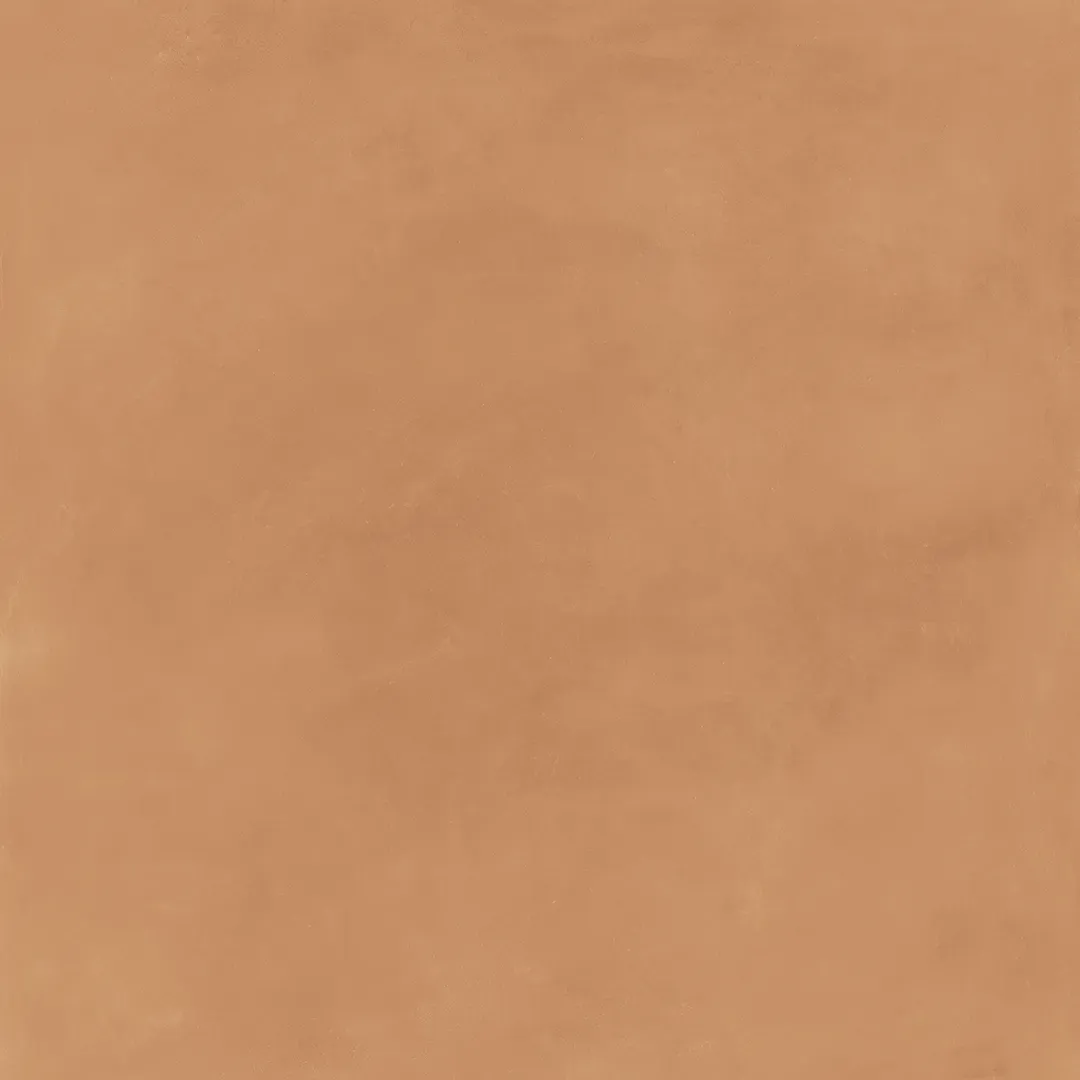
Terracotta look tiles are definitely in style, experiencing a resurgence driven by Mediterranean-inspired design, warm natural palettes, and the growing popularity of biophilic outdoor spaces. The renewed interest stems from a broader shift toward natural materials and timeless aesthetics that resist fleeting design trends, making terracotta tones highly relevant in contemporary residential and commercial projects.
Where Does the Terracotta Look Work Best Outdoors?
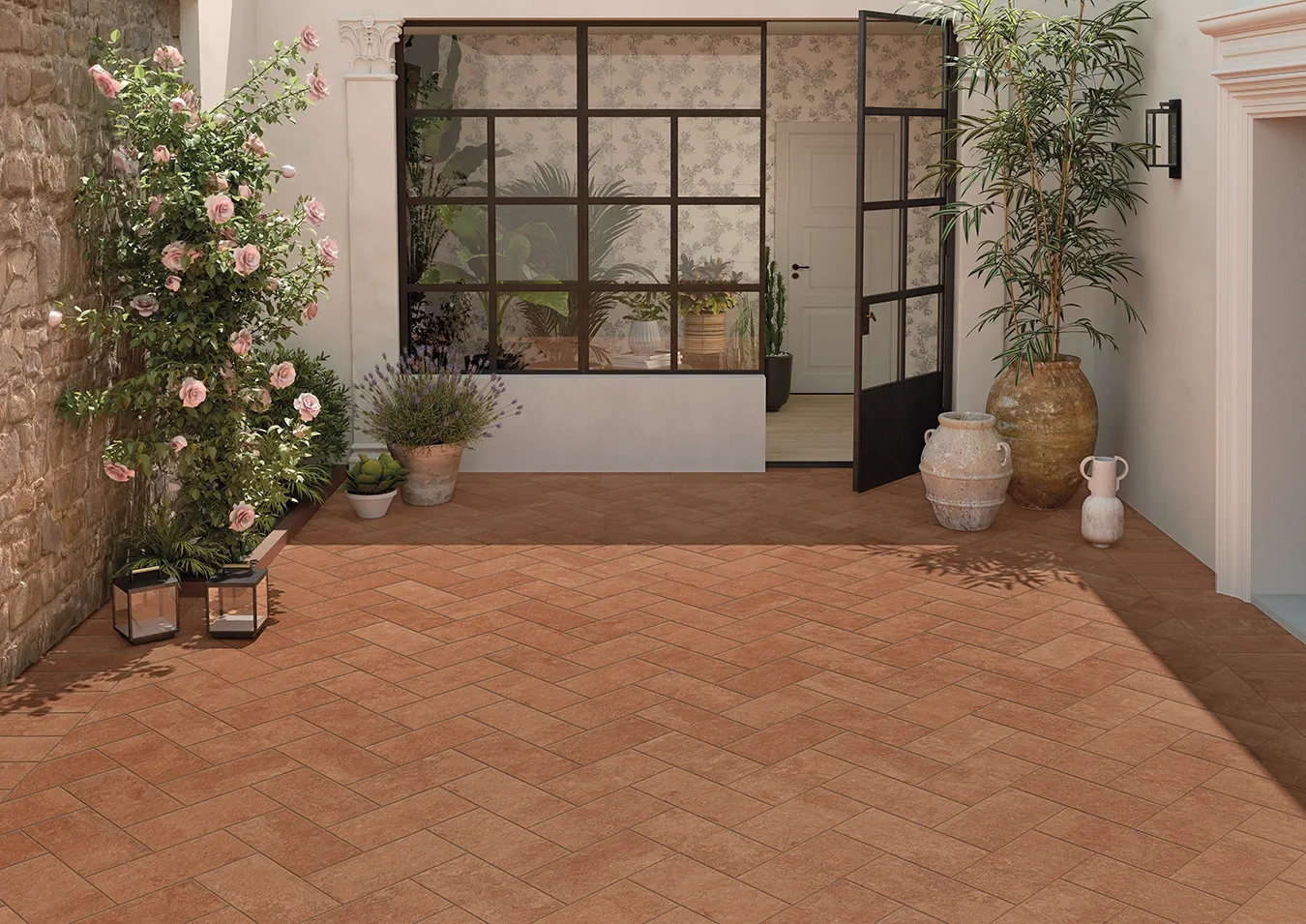
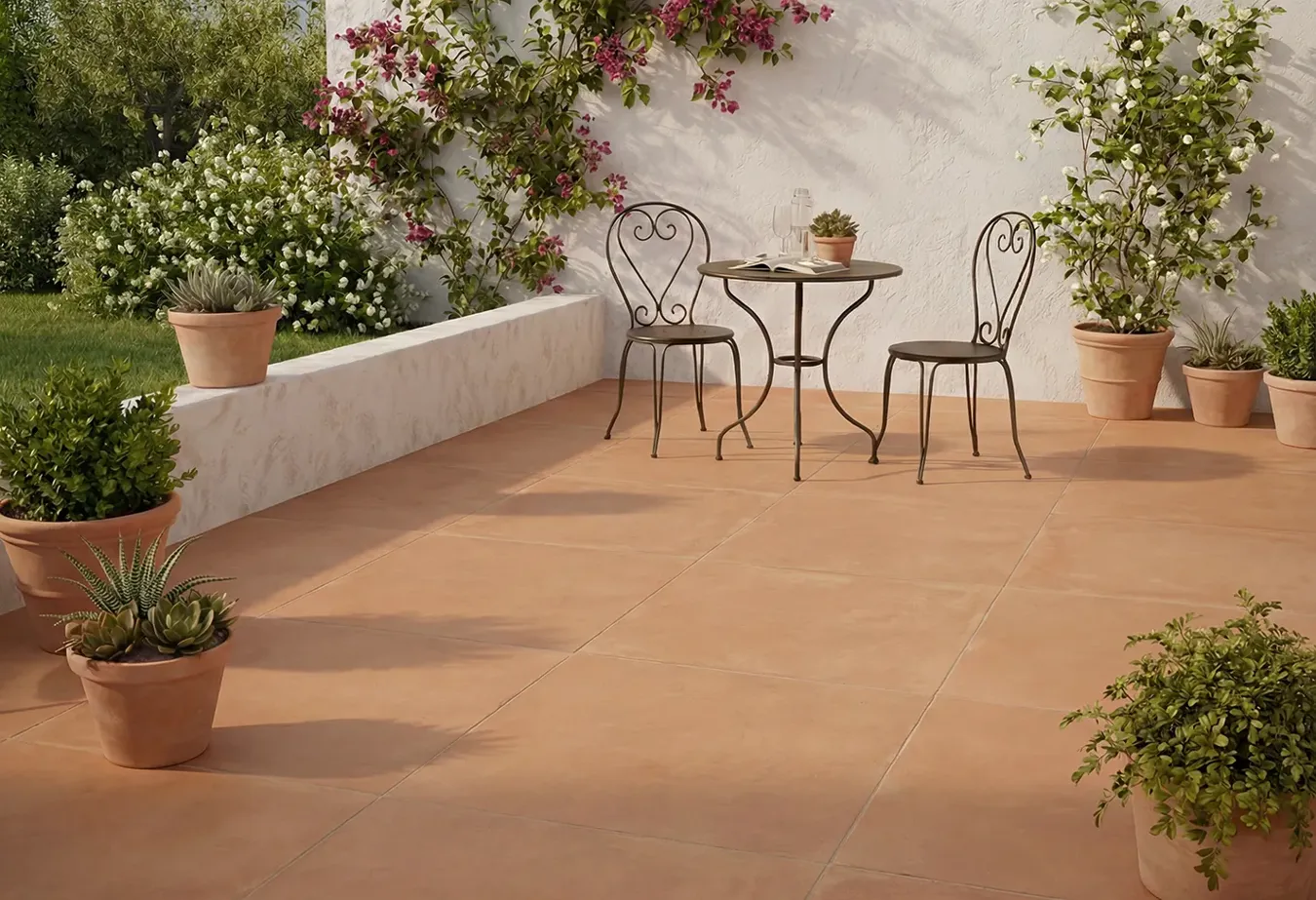
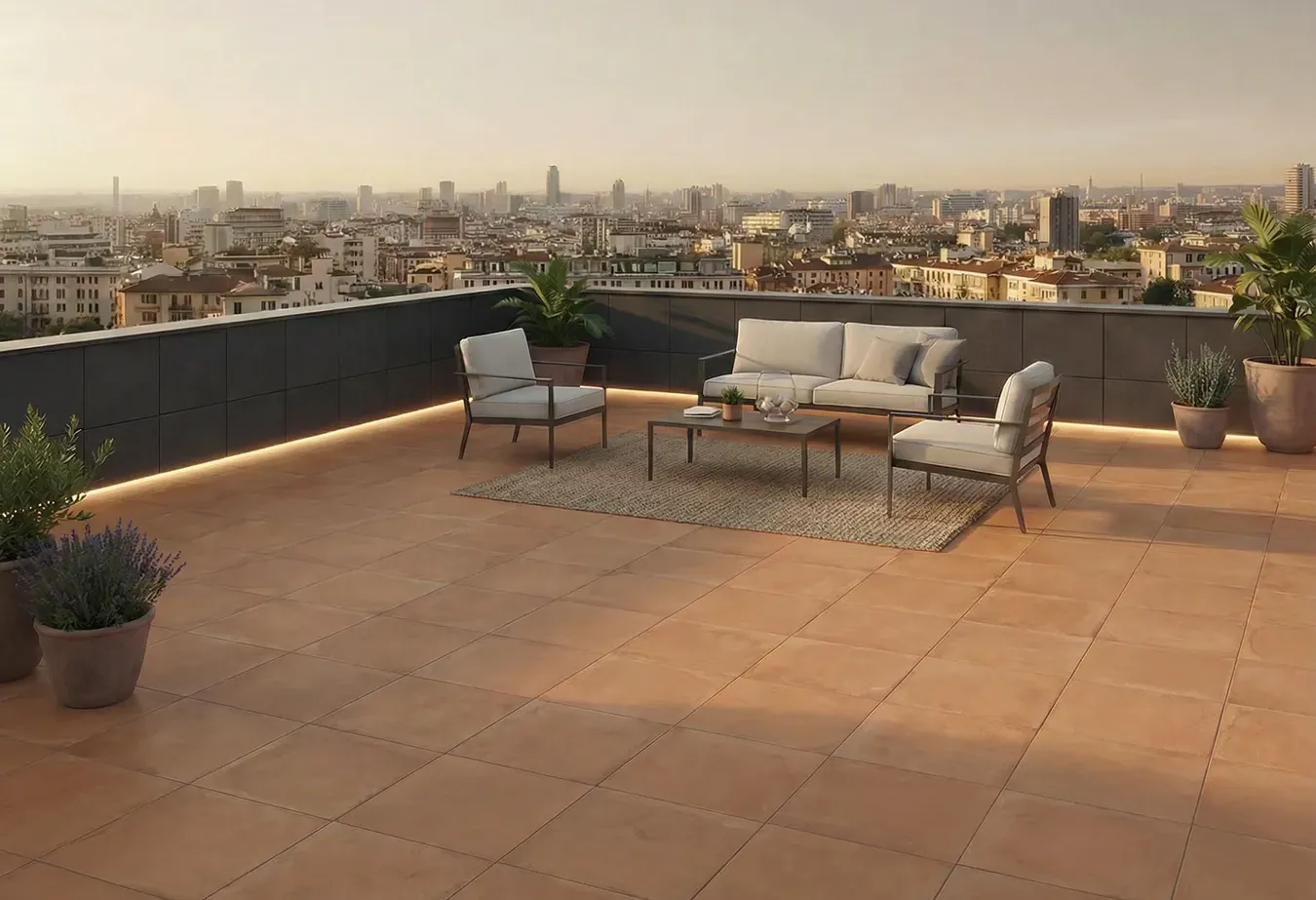
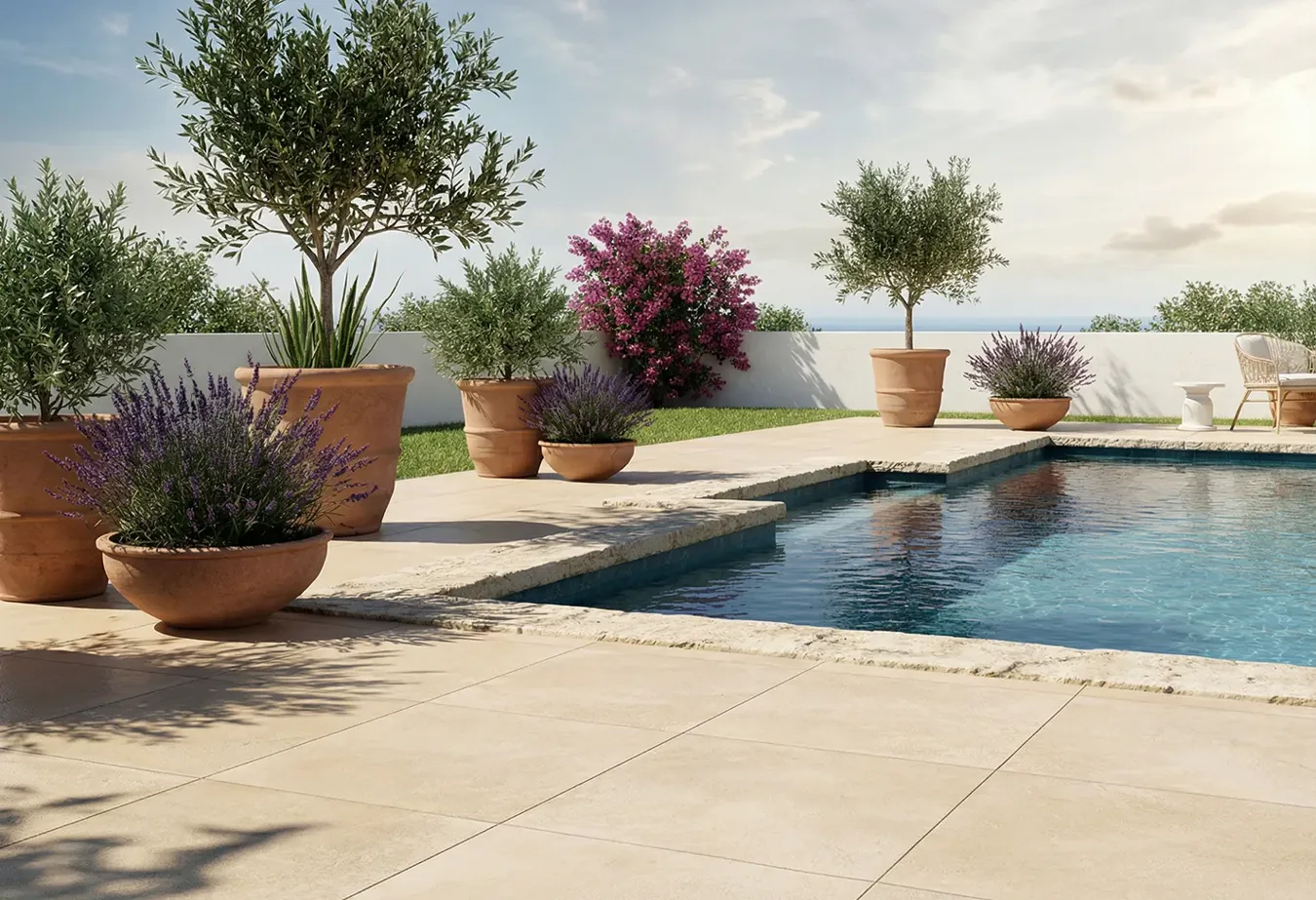
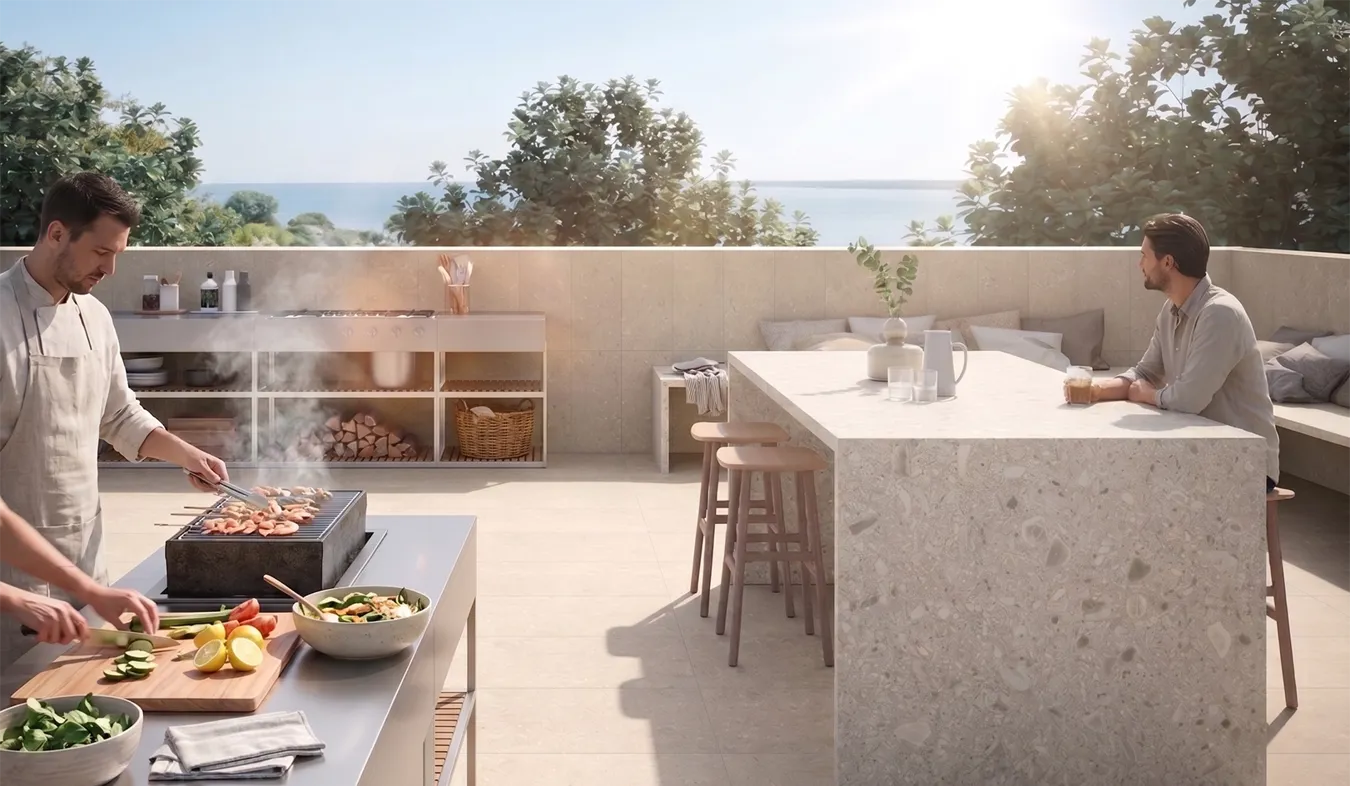
The terracotta look works best outdoors in sunny, open spaces where warm earth tones enhance the natural landscape and create inviting atmospheres for relaxation and entertaining. Pool decks, courtyard patios, and rooftop terraces benefit most from these sun-baked tones, which soften outdoor surfaces and establish visual warmth in areas exposed to direct sunlight. Garden pathways and outdoor dining areas also showcase terracotta effectively, where the rustic character complements natural plantings, terracotta planters, and wooden furnishings for cohesive design continuity.
How Do You Clean Terracotta Look Tiles?
Clean terracotta look porcelain tiles using warm water and a pH-neutral detergent for routine maintenance, removing dirt, dust, and organic debris without harsh chemicals or abrasive tools. For outdoor applications, periodic sweeping or hosing prevents buildup of leaves, pollen, and surface dirt, while occasional mopping with mild cleaning solutions maintains the tile's appearance. The non-porous porcelain surface resists staining and eliminates the need for sealing treatments, making upkeep significantly easier than natural terracotta. For stubborn stains or concentrated dirt, use a soft-bristle brush with soapy water, avoiding acidic or aggressive cleaners that could dull the finish over time.
Does terracotta‑look porcelain fade in the sun?
Terracotta-look porcelain does not fade in the sun, thanks to UV-stable pigments that remain color-stable even under prolonged exposure to direct sunlight and atmospheric conditions. The colors are fired into the tile body during manufacturing at high firing temperatures, creating permanent pigmentation that resists bleaching, discoloration, or weathering over time. This fade-proof performance sets porcelain apart from natural terracotta, which gradually lightens and loses its rich earth tones when exposed to UV rays, requiring periodic resealing or replacement to maintain appearance in sunny outdoor environments.
Is terracotta‑look porcelain good for cold climates?
Terracotta-look porcelain tiles are excellent for cold climates, with water absorption under 0.5% that prevents moisture penetration and eliminates the freeze-thaw damage that destroys natural terracotta in winter conditions. When water freezes inside porous materials, it expands and creates internal pressure that causes cracking and surface deterioration. Porcelain's vitrified, non-porous structure blocks water entry entirely, allowing these tiles to withstand repeated freezing cycles without structural compromise or visual degradation. This frost resistance makes terracotta-look porcelain a reliable choice for outdoor spaces in regions experiencing harsh winters, snow accumulation, and temperature swings.
Can terracotta look porcelain be used indoors and outdoors?
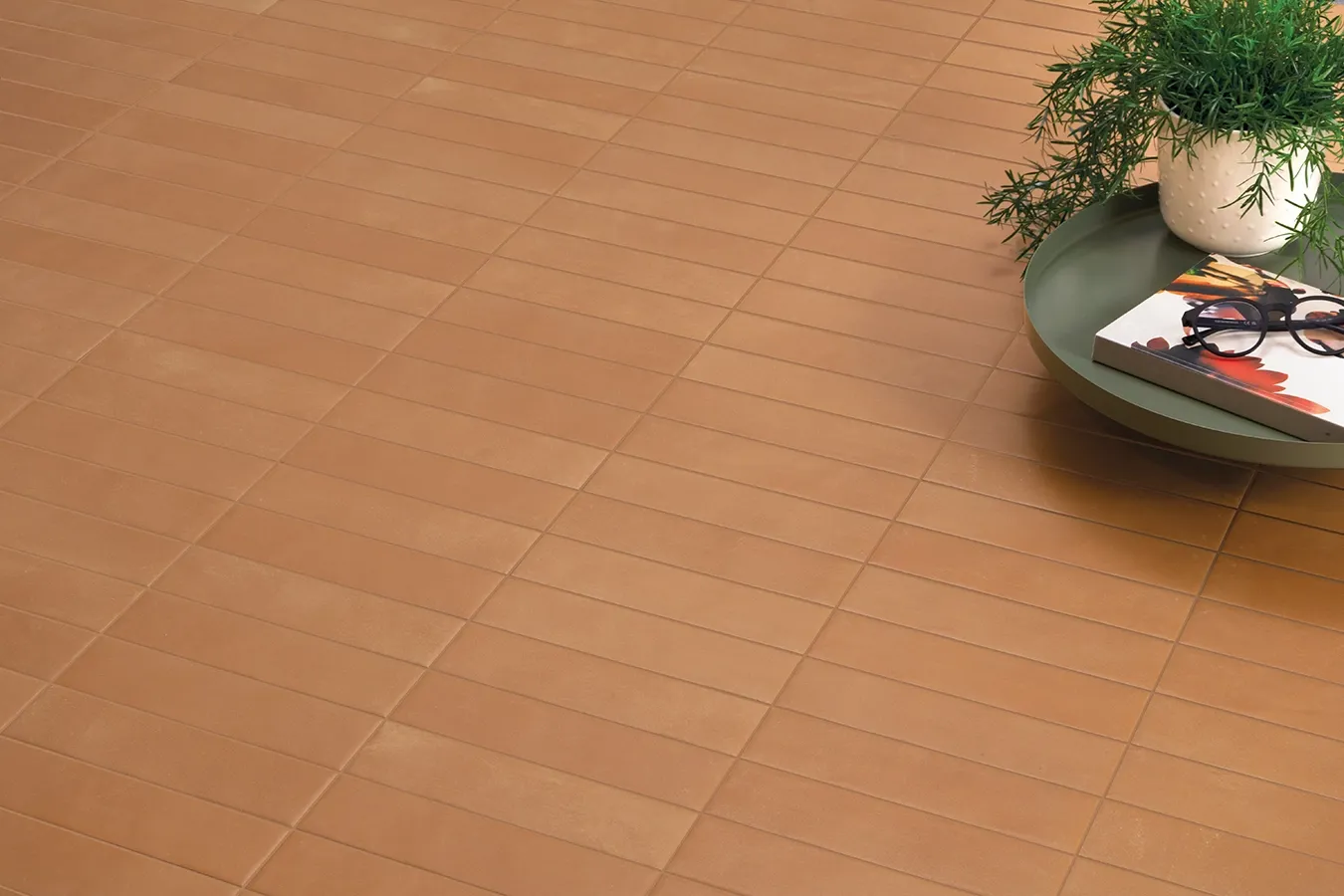
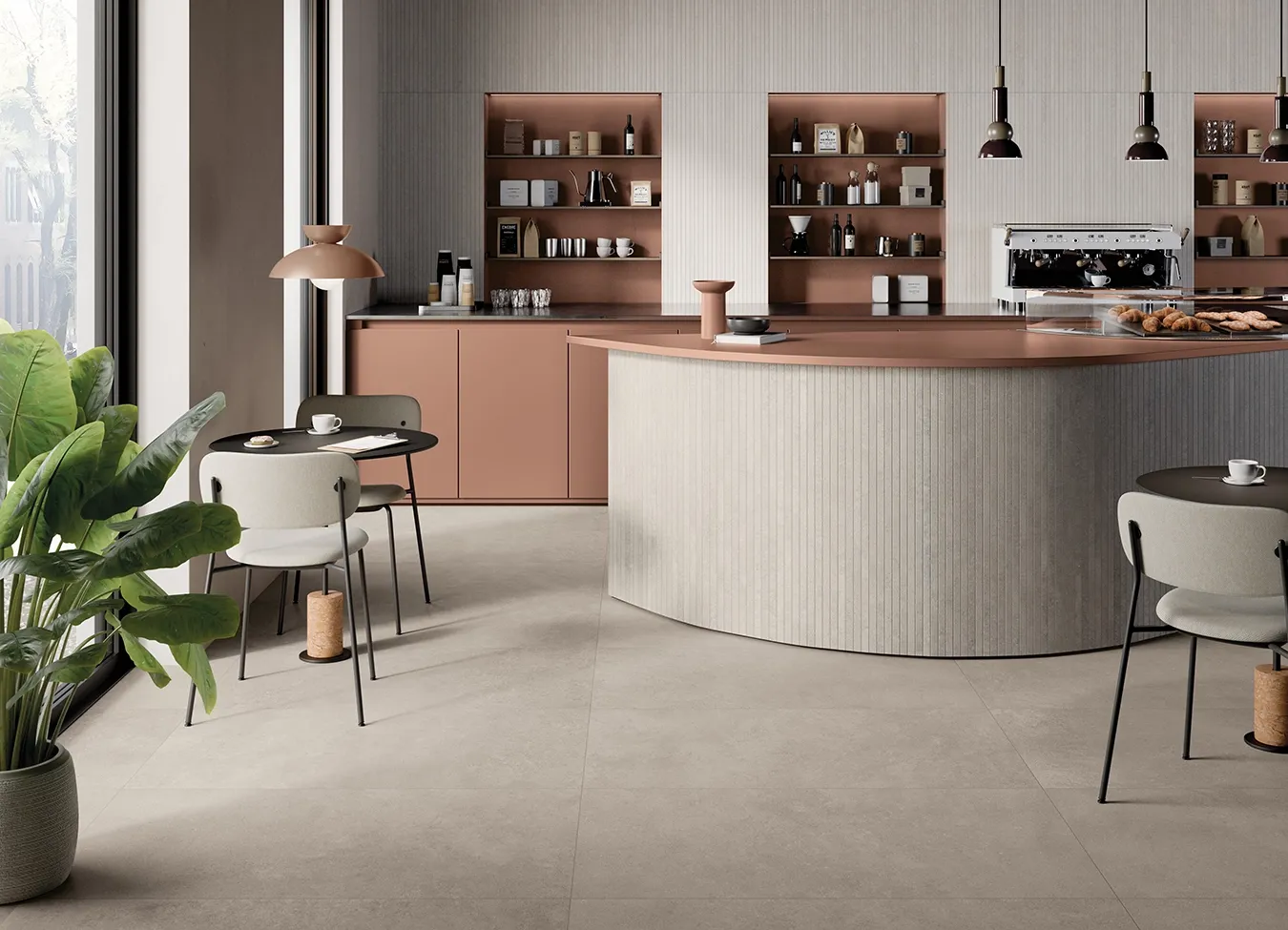
Yes, terracotta look porcelain tiles can be used both indoors and outdoors, offering design continuity that seamlessly connects interior and exterior spaces through consistent color palettes and surface textures. For indoor applications, thinner formats in 0.35 inches (9 mm) work well for kitchen floors, living areas, and bathroom tiles, while outdoor installations require thicker 0.8 inch (20 mm) tiles to handle structural loads and weathering. This versatility allows homeowners to extend the warm terracotta aesthetic from indoor living rooms or kitchens onto adjacent patios, terraces, or pool decks, creating visual flow that blurs the line between indoor comfort and outdoor living.