The Stone‑Look Porcelain Tile Styles Shaping 2026

The Stone‑Look Porcelain Tile Styles Shaping 2026

Why stone-look tiles are dominating 2026

Stone-look tiles are dominating 2026 because they deliver the timeless beauty of natural rock without its drawbacks. Homeowners and design professionals appreciate how porcelain replicates veining, texture, and depth while offering <0.5% water absorption, high stain resistance and virtually no upkeep.

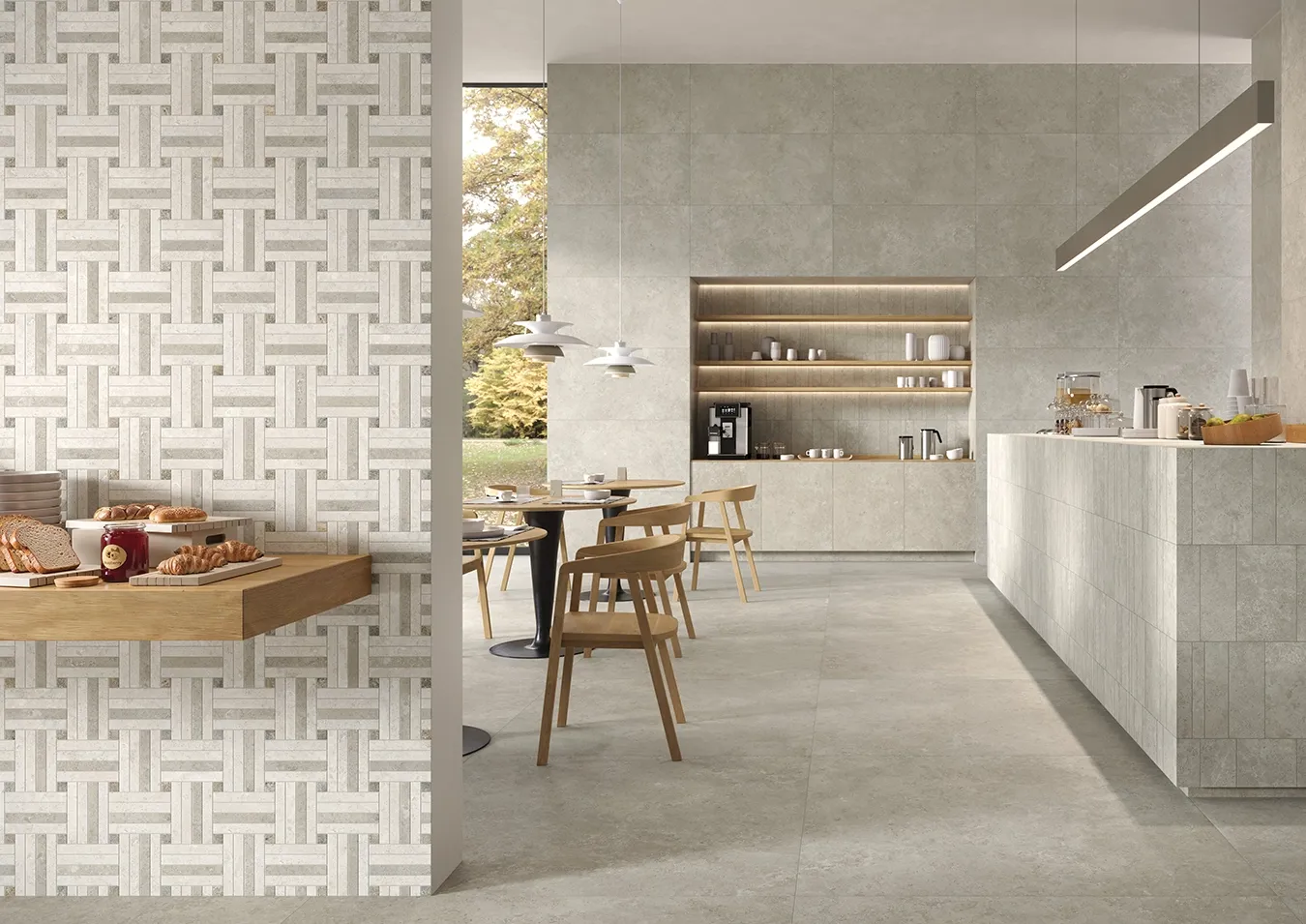
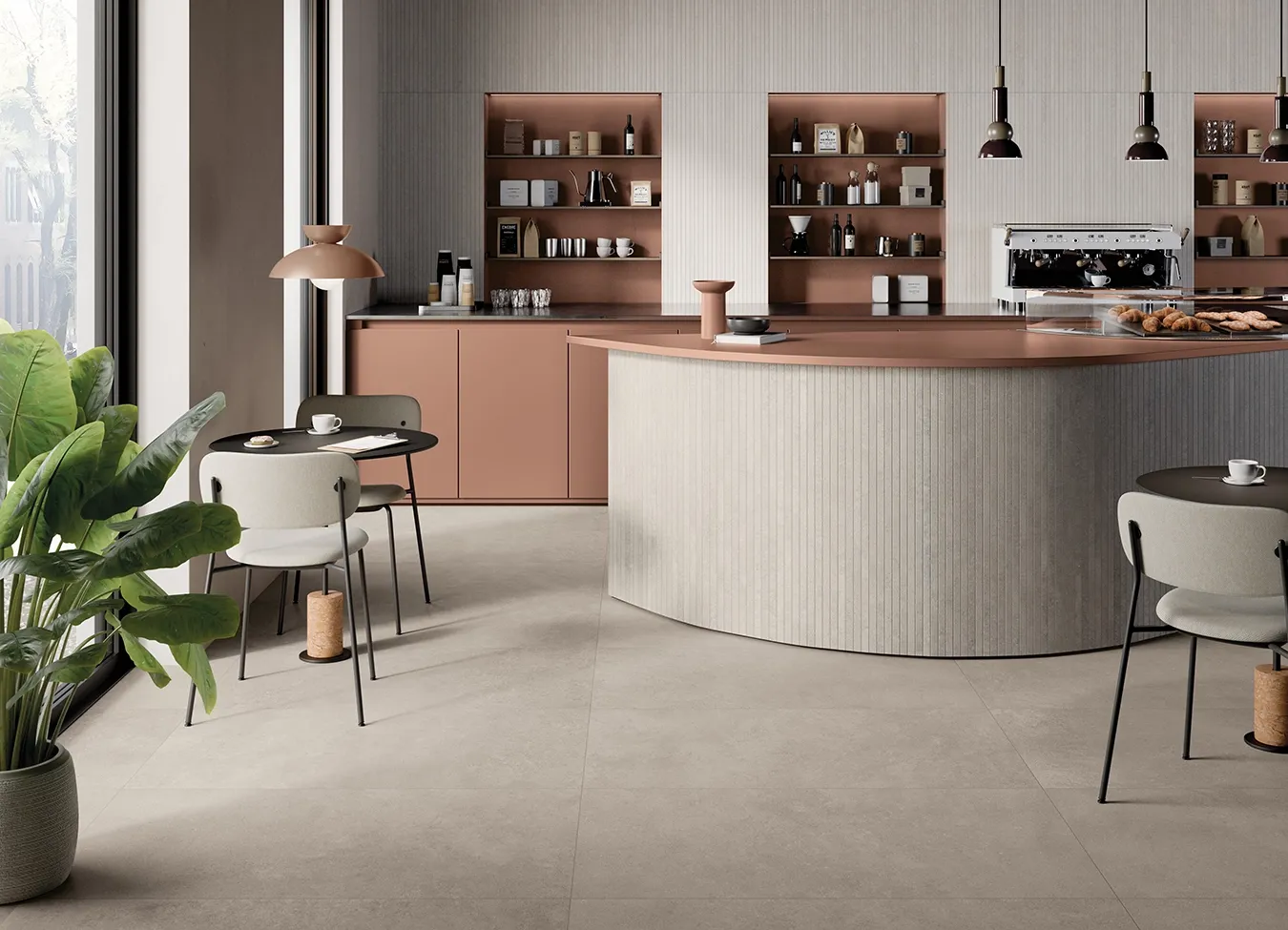
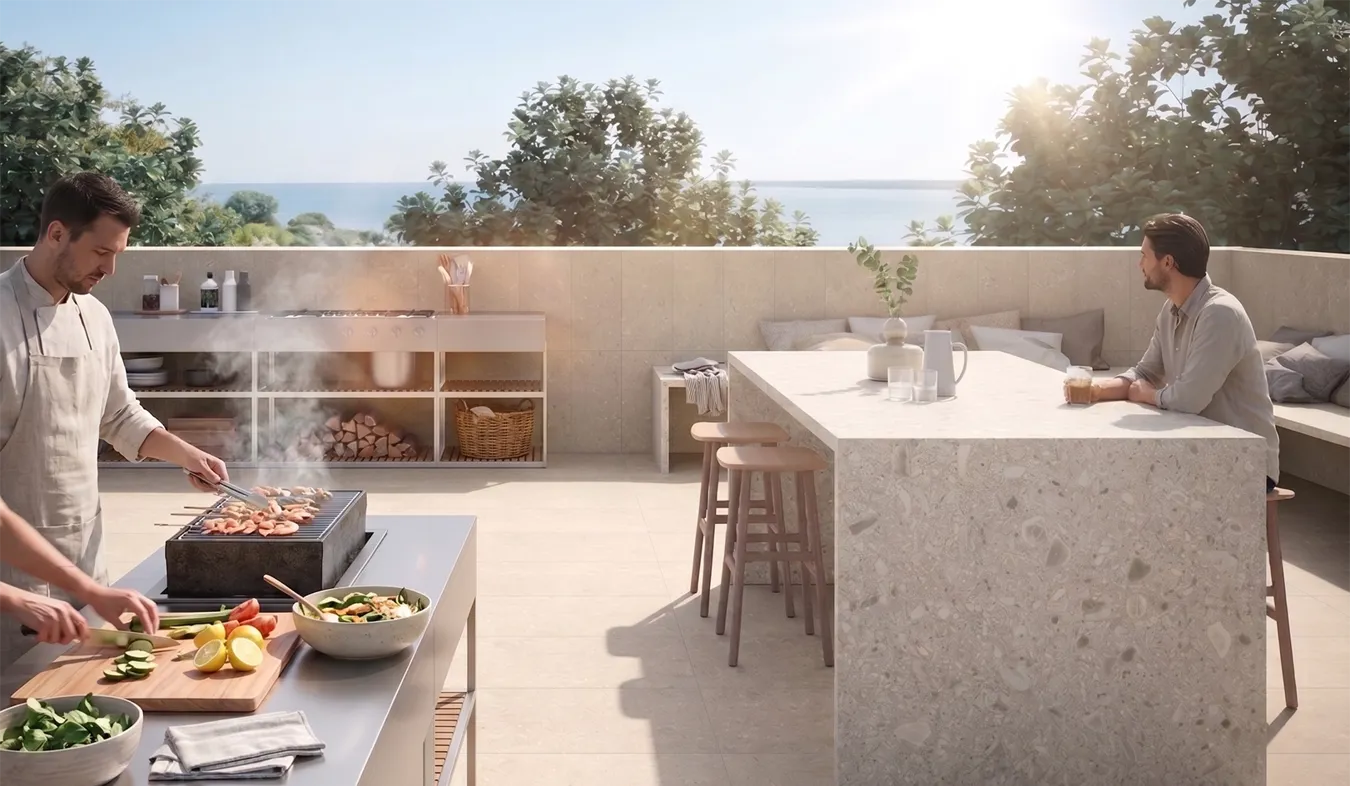
This shift reflects a broader move toward materials that look authentic but perform consistently across floor tiles, wall tiles, and outdoor pavers alike. The mineral variation of granite, the warmth of travertine, and the crystalline structure of quartzite are all reproduced with striking accuracy, across formats, sizes, and applications, all while staying true to each stone’s natural character. The result is a category of tile that suits both classic and contemporary interiors, indoors and out. 

From igneous to sedimentary and metamorphic origins, each stone family brings its own visual language to porcelain, creating a category that feels both familiar and refreshingly modern for today’s design standards.

Porcelain tiles that look like igneous rocks

Igneous rock forms when molten material cools and solidifies, either quickly at the earth’s surface or slowly far underground, and this origin directly shapes the tile aesthetics it inspires. From the fine, dark grain of basalt to the crystal-flecked surface of granite, each igneous stone brings a distinct texture and color story to porcelain tiles, drawing on quarries and formations recognized across the stone industry.

Bathroom with basalt-look anthracite tile flooring and a decorative dark tile accent wall.
Lavica Anthracite
Lavica Anthracite

Basalt-look tiles: volcanic textures

Basalt-look tiles recreate the fine grain and dark tones of volcanic rock formed when lava cools rapidly at the earth’s surface. Sicilian lava stone is one of the best-known references for this look, prized for its deep black to anthracite tones, matte surface, and subtle mineral speckles.  

This dark, architectural palette pairs naturally with concrete and metal accents in contemporary interiors, while its understated tone and slip-resistant finishes make it just as suited to outdoor pavers around pools and patios.

Porphyry-look tiles: natural split-stone aesthetics

Porphyry-look tiles capture the speckled, multicolored surface of a rock historically prized for its hardness and rustic character. Varieties such as dolomitic porphyry and pietra di Lavis show the cooler, muted end of the range, while porfido stone leans into warmer reds, browns, and golds.

This split-stone aesthetic brings rustic depth to driveways, patios, and walkways, and works especially well in fan or radial installation patterns, echoing the traditional cobblestone layouts porphyry has long been associated with for centuries throughout traditional European paving.

Granite-look speckled gray porcelain floor tile with a bold yellow chair.
Dolmix light
dolmix light

Granite-look tiles: speckled mineral patterns

Granite-look tiles reproduce the speckled, salt-and-pepper texture created by granite's mix of feldspar, quartz, and mica. This slow-cooling rock forms large, visible crystals, resulting in a palette ranging from soft grays and whites to pinks, reds, and deep near‑black tones, always with that signature fine mineral fleck.

Porcelain versions of this look bring the same speckled depth to floor tiles and countertops while eliminating the sealing and staining concerns of natural granite, making it a dependable choice for kitchens, entryways, and other high-traffic areas.

Porcelain tiles that look like sedimentary rocks

Sedimentary rock forms gradually, as mineral particles, shells, and organic matter compact and fuse over time, and this layered origin gives it a softer, more organic visual language compared to igneous stone. Named formations such as Jura stone, Ceppo di Gré, and Roman travertine illustrate just how varied this category can be, from smooth and porous to fragmented and irregular.

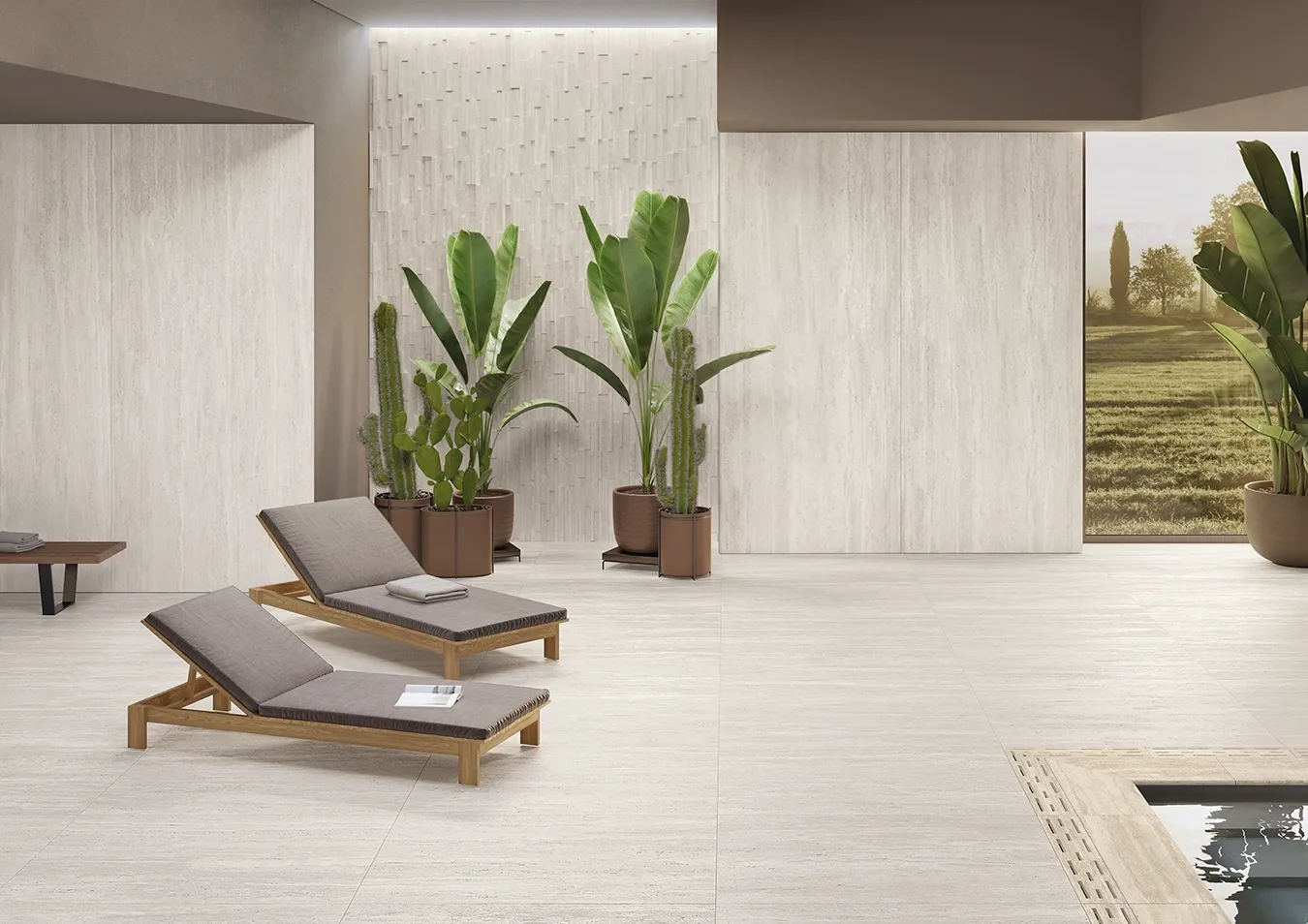
Spa-like indoor pool area with travertine-look pearl porcelain tile flooring and walls, lounge chairs, and tropical plants.
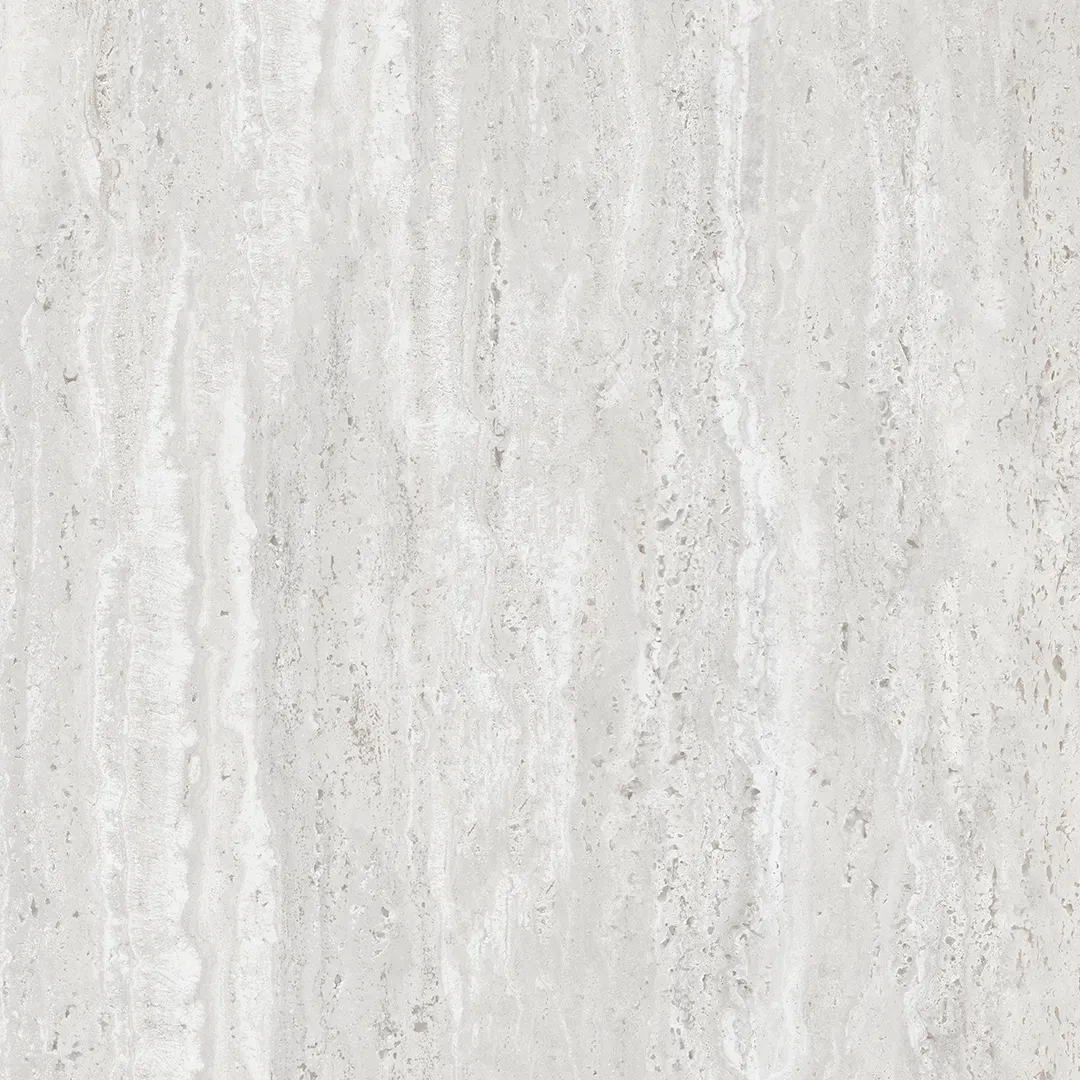
Trevi Pearl
Trevi Pearl

Travertine-look tile: warm Mediterranean appeal

Travertine-look tile recreates the warm, ivory to beige tones and characteristic surface pitting of a stone formed by mineral deposits in hot springs. Roman travertine and Tivoli stone are among the most recognized references, prized for their sun-baked, Mediterranean warmth and naturally porous texture.

In porcelain, this look brings the same inviting warmth to floor tiles and wall tiles without the porosity of natural travertine, which typically requires routine sealing to resist staining.

Limestone-look tile: soft minimalism

Limestone-look tile reproduces the fine, uniform texture of a rock formed from compacted marine sediment, often shell and coral fragments. Varieties such as Jura stone, Portland stone, and pietra Leccese show how subtle this category can be, from cool grays to warm, sun-washed neutral tones.

This restrained aesthetic suits minimalist interiors, where a soft, even backdrop allows furnishings and architectural lines to stand out.

Sandstone-look tiles: grainy earth tones

Sandstone-look tiles capture the visible, sand-like grain of a rock formed from compacted sand particles, typically expressed through warm tans, muted oranges, and earthy browns. Quarzo arenario is a fitting reference for this texture, showing the tactile, granular surface the category is most recognized for.

These grainy, warm tones work particularly well outdoors, where they echo the look of natural stone paving while offering the low maintenance of porcelain.

Dolostone-look tiles: cool mineral surfaces

Dolostone-look tiles reflect the pale gray to bluish tones of a rock chemically similar to limestone but with a denser, more crystalline mineral structure. Their cooler palette sets them apart from the warmer sedimentary looks like travertine and sandstone.

This cool, mineral quality suits modern spaces looking for a stone effect with a crisper, more contemporary aesthetic than travertine or sandstone.

Library lounge with breccia-look gray porcelain floor tile, red armchairs, and floor-to-ceiling bookshelves.
Omnia Ceppo Grey
Omnia Ceppo Grey

Breccia-look tiles: fragmented rock patterns

Breccia-look tiles reproduce the striking, fragmented appearance of a rock made from angular rock pieces cemented together, creating a bold, mosaic-like pattern that reads almost architectural. Ceppo di Gré is a well-known reference for this look, valued for its irregular, puzzle-like composition.

This fragmented visual makes breccia-look tile a natural statement choice for feature walls and floors where a dramatic, one-of-a-kind pattern is the main focal point.

Flagstone-look tiles: irregular stone geometry

Flagstone-look tiles capture the irregular, naturally split shapes of quarried paving stone, often laid in a puzzle-like pattern instead of a uniform grid.

This organic geometry brings a rustic, grounded feel to outdoor walkways and patios, where the irregular joint lines echo traditional flagstone paving seen in traditional outdoor landscapes.

Porcelain tiles that look like metamorphic rocks

Metamorphic rock forms when heat and pressure transform existing rock into a new structure, often producing the crystalline sheen, dramatic banding, and refined grain that define some of the most recognizable stone aesthetics used in design. Named varieties such as Carrara marble, quarzite di Villeneuve, and pietra di Vals show the range of effects this transformation can produce, from flowing veins to sharp mineral bands.

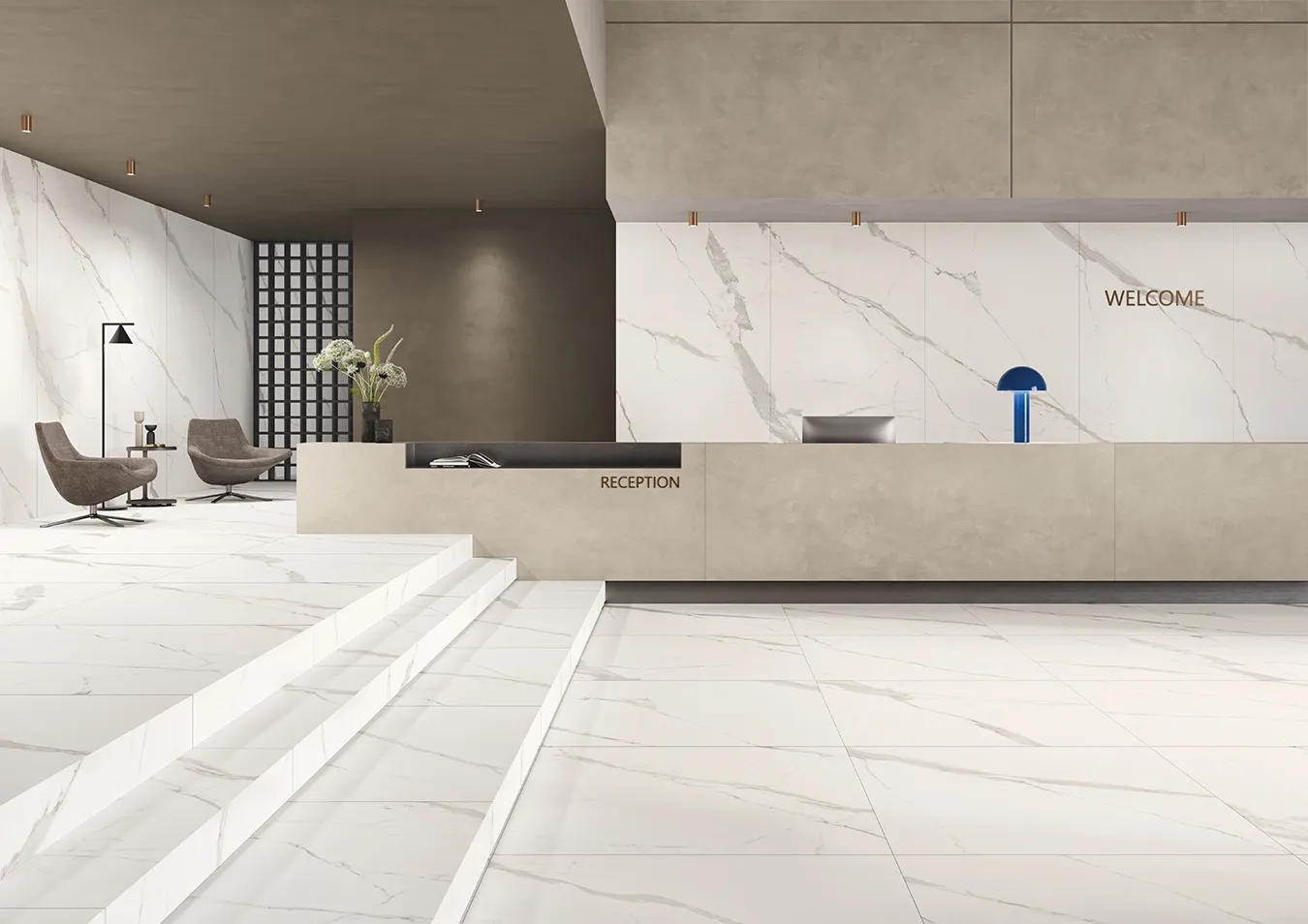
Reception area with marble-look white porcelain floor and wall tile featuring soft gray veining.
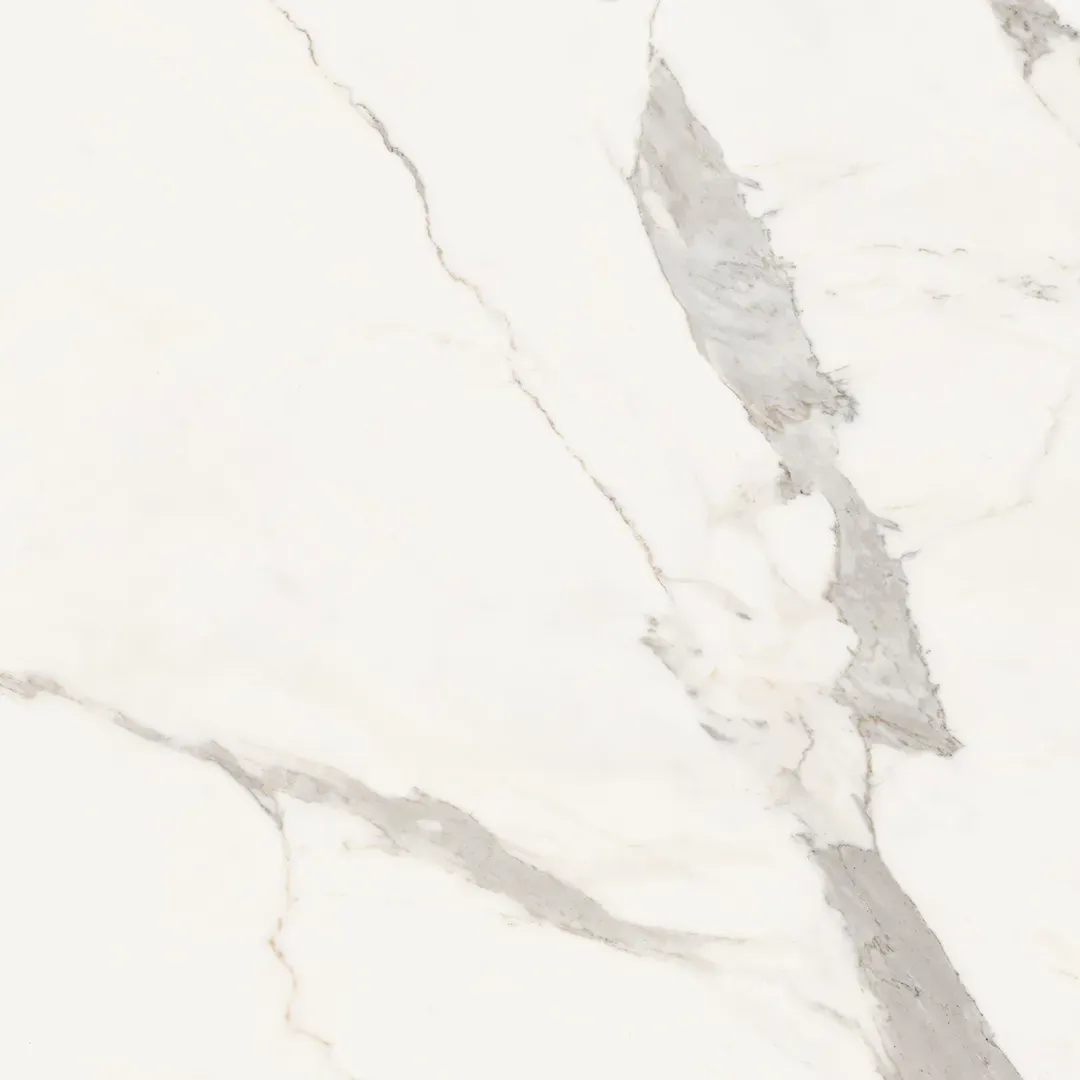
Versilia Assoluto White

Marble-look tile: the luxury classic

Marble-look tile recreates the veining and luminous surface of a stone formed when limestone recrystallizes under heat and pressure. Calacatta, Carrara, Emperador, and Port Laurent marble remain the reference points for this look, spanning bright whites, warm browns, and deep, near-black tones.

Marble look porcelain tiles bring this timeless elegance to floor tiles and wall tiles, offering the same visual depth as natural marble without its sensitivity to staining and etching, making it a reliable choice for kitchens and bathrooms.

Slate-look tile: modern rustic texture

Slate-look tile reproduces the layered, textured surface of a fine-grained rock, often referred to by its Italian name, ardesia, that naturally splits into thin, uneven sheets. Its muted grays, charcoals, and occasional green or purple undertones give it a raw, grounded character that feels authentically organic. 

This textured surface suits both indoor floors and outdoor spaces, pairing naturally with wood and metal accents in interiors that lean toward a modern, rustic aesthetic.

Quartzite-look tiles: crystalline hard-stone aesthetics

Quartzite-look tiles capture the crystalline sparkle of a rock formed when sandstone is subjected to intense heat and pressure, fusing its quartz grains into a dense, glittering surface. Quarzite di Villeneuve is a notable reference, known for its icy white to warm gray tones.

This hard-stone aesthetic reads as clean and contemporary, making it a strong choice for kitchen surfaces and floor tiles where a subtle shimmer adds visual interest without dominating other design elements.

Calcite-look tiles: translucent mineral depth

Calcite-look tiles reflect the soft translucency of a mineral known for its layered, almost glowing appearance when light passes through thin sections. Onyx is the clearest expression of this quality, prized for its pale tones and gentle striations.

This translucent depth works well in feature walls and accent surfaces, where the way light interacts with the surface can highlight the tile's subtle mineral nuances.

Gneiss-look tiles: banded geological patterns

Gneiss-look tiles reproduce the distinctive banding of a rock formed when intense pressure separates minerals into alternating light and dark layers. Pietra di Vals is a recognized reference for this effect, known for its bold, striped pattern.

This graphic, banded look makes a strong visual statement on floors and feature walls, appealing to spaces designed around a bold, architectural stone presence.

Spa-inspired bathroom with ivory stone-look porcelain floor and a geometric cube-pattern shower wall.
Grace Ivory
Grace Ivory

Stone-look tile colors trending in 2026

The stone-look tile colors trending in 2026 lean toward warm neutrals, soft greige tones, and deeper, moodier shades that echo the natural variation found in quarried stone. Beige and travertine-inspired tones remain popular for their calm, sunlit quality, while warm gray and taupe blends bridge the gap between classic neutrals and cooler contemporary palettes.

At the darker end of the spectrum, anthracite, charcoal, and near-black stone-look tiles are experiencing increased demand in both flooring and wall applications, favored for their architectural, grounded presence. These deeper tones pair naturally with matte finishes, reinforcing the raw, mineral character of the stones they imitate.

Multicolor and mixed-tone palettes, drawing on the natural variation of granite and porphyry, are also on the rise, offering visual depth without relying on pattern or relief. Across the palette, the common thread is authenticity: colors that read as genuinely mineral, rather than artificially uniform, continue to define the direction of stone-look design.

Best finishes for each stone-look style

The best finish for each stone-look style is the one that reproduces the surface of the stone it imitates, since the real material's texture already determines how much grip it carries and where it performs.

Igneous rock looks

  • Basalt: Spazzolato R10 for interiors, Silky for a smoother surface, and Structured R11 in 3/4 inch (20 mm) for outdoor pavers

  • Porphyry: Structured R11, the split-face texture the stone is quarried for, well-suited for driveways, patios, and garden walkways

  • Granite: Spazzolato R10, holding the honed, speckled surface granite typically carries in interiors

Sedimentary rock looks

  • Travertine: Silky for a soft, refined surface, Spazzolato R10 where floors call for added grip

  • Limestone: Natural R9 for dry interior environments, Structured R11 for exteriors

  • Sandstone and flagstone: Structured R11 in 3/4 inch (20 mm), specified for garden walkways, patios, and front porches

  • Breccia and dolomite: Structured R10, adding grip without losing their natural surface variation

Metamorphic rock looks

  • Marble: Lappato for high-gloss veining effects, Silky for a satin surface, Spazzolato R10 for bathroom floors and other wet areas, and Structured R11 for outdoor pavers

  • Calcite and onyx: Lappato or Silky on wall tiles and accent surfaces, where translucency shows best

  • Slate and gneiss: Spazzolato R10, preserving their raw, banded relief

  • Quartzite: Grip R10 on floors, Silky on countertops and vertical accent surfaces 

Exposure sets the limits. Wet interiors call for an R10 finish, and exteriors call for 3/4 inch (20 mm) Structured R11 pavers, whatever the stone-look.

Large-format ivory stone-look porcelain slabs covering the floor and walls of a bathroom with a freestanding tub and floating vanity.
Nyth Ivory
Nyth Ivory

Large-format stone-look slabs for seamless modern design

Large-format stone-look slabs create a seamless, uninterrupted surface that reduces visible grout lines and lets the natural texture of the stone read as one continuous expanse. This effect is especially powerful with marble and travertine looks, where flowing veining and warm tonal shifts benefit from an uninterrupted canvas rather than being broken up tile by tile.

Large format porcelain tiles are available in sizes up to 48x110 inches (120x278 cm), making them suitable for expansive floors, feature walls, and even kitchen countertops and shower surrounds where a single slab can cover an entire surface. Because these slabs are thinner and lighter than their size suggests, they also work well in remodels, where they can be installed directly over existing floors.

Stone-look porcelain vs natural stone: pros and cons

Stone-look porcelain and natural stone both deliver the visual richness of quarried rock, but they differ significantly in performance and upkeep.

Stone-look porcelain:

  • Water absorption below 0.5%, offering strong resistance to staining and moisture damage

  • No sealing required, unlike most natural stone

  • Resistant to acidic substances such as wine, citrus, and vinegar

  • More consistent pricing and easier installation

  • Available in large formats with minimal grout lines

Natural stone:

  • Truly one-of-a-kind veining and mineral variation, formed over millions of years

  • A tactile, authentic quality that appeals to purists

  • Often porous, requiring regular sealing to prevent staining

  • More vulnerable to acidic substances and etching

  • Typically a higher price point, with more demanding installation

For most residential and commercial applications, stone-look porcelain offers the more practical choice, combining the desired aesthetic with the technical characteristics needed for long-term performance, particularly in high-traffic or wet areas.

Outdoor lounge area with gray stone-look porcelain pavers, built-in seating, cushions, and a fire pit.
Percorsi Extra
Percorsi Extra Pietra di Vals

The stone-look styles defining modern interiors and outdoor spaces

The stone-look styles defining modern interiors and outdoor spaces today share a common thread: durability paired with a natural, unforced appearance. Indoors, softer sedimentary and metamorphic looks, such as limestone and marble, continue to anchor living areas and bathrooms, while darker igneous tones bring an architectural edge to kitchens and feature walls.

Outdoors, the priority shifts toward texture and grip without sacrificing style. Porphyry and flagstone looks dominate patios and walkways, while basalt look pavers bring a sleek, minimal alternative to traditional stone paving around pool decks and outdoor kitchens. This split between warm, tactile interiors and grippy, weather-ready exteriors reflects how homeowners now expect one material family to perform across an entire property.

What ties these applications together is installation, since even the most striking stone-look tile depends on the right installation pattern to reach its full visual potential.

Installation patterns that enhance stone-look tiles

Installation patterns that enhance stone-look tiles work by reinforcing or contrasting the natural character of the stone being replicated, turning porcelain tile installation into a design decision rather than an afterthought. A running bond or brick-joint layout suits plank format tiles and adds movement to travertine and sandstone looks, while a stack bond pattern lets marble veining flow uninterrupted across a floor or wall.

For porphyry and flagstone looks, a fan or radial pattern echoes the traditional cobblestone layouts these stones have long been associated with, while an irregular, puzzle-piece layout suits flagstone's naturally split shapes. Herringbone and chevron patterns, meanwhile, add a dynamic, directional quality that works particularly well with slate and basalt looks in contemporary interiors.

Choosing the right pattern is only part of getting the installation right, since long-term performance also depends on how these surfaces are cared for once in place.

Maintenance and cleaning tips for stone-look tiles

Maintaining stone-look porcelain tiles is straightforward, since porcelain's non-porous, vitrified surface resists the staining and buildup that natural stone is prone to. Routine care requires only warm water and a pH-neutral cleaner, with no sealing, waxing, or specialized stone cleaners needed to maintain its appearance over time.

On textured finishes such as Structured R11 and Spazzolato R10, debris settles into the three-dimensional relief rather than resting on top of it, so a soft-bristle brush clears it from the texture where a flat mop passes over it. This matters most in outdoor installations on patios, pool decks, and garden walkways, where dust, pollen, and foot traffic deposit more material. Grout joints, rather than the tile itself, typically require the most attention, and sealing the grout periodically preserves a clean, uniform look across the whole surface.

Frequently asked questions about stone-look tile

Are stone-look tiles durable?

Stone-look tiles are durable thanks to porcelain's dense, low-porosity structure, which resists scratching, staining, and daily wear far better than many natural stones. This durability holds up across both indoor floors and outdoor pavers, making stone-look tile a reliable choice for high-traffic spaces.

Which stone-look tile is best for bathrooms?

The best stone-look tile for bathrooms is one with a slip-resistant finish, such as Spazzolato R10 or Grip R10, paired with a soft, calming look like marble, limestone, or travertine. These finishes combine documented slip resistance underfoot with the elegant, spa-like atmosphere bathrooms typically call for.

Do stone-look tiles look realistic?

Stone-look tiles look remarkably realistic, closely reproducing the veining, texture, and color variation of natural marble, travertine, and other stones. Careful attention to grain, tone, and surface finish allows porcelain to capture the visual depth of quarried stone without sacrificing consistency across tiles.

Are stone-look tiles good for outdoor spaces?

Stone-look tiles are well suited for outdoor spaces, particularly as 3/4 inch (20mm) pavers with Structured R11 finishes built to handle foot traffic, weather, and freeze-thaw cycles. Porphyry, basalt, and flagstone looks are especially popular for patios, walkways, and pool decks.

Are stone-look tiles slippery?

Stone-look tiles deliver reliable traction when the finish is specified for the application, since ratings from R9 to R11 indicate increasing levels of documented slip resistance. Wet areas and outdoor installations call for R10 or R11 finishes to deliver dependable footing underfoot.

Do stone-look tiles require sealing?

Stone-look tiles do not require sealing, unlike many natural stones, because porcelain's water absorption of less than 0.5% already provides strong resistance to staining and moisture. This makes upkeep considerably simpler than caring for natural marble, travertine, or limestone.

You might also be interested in