



-
Freeze-thaw durability: certified frost-proof construction means no cracking, spalling, or surface damage across repeated winter cycles, season after season
-
Low maintenance through winter: the impervious surface resists salt penetration and staining, so seasonal de-icing doesn't require special cleaning routines
-
Consistent appearance over time: fired-in color and a dense, stable structure keep the surface looking the same regardless of how many freeze-thaw cycles it endures
-
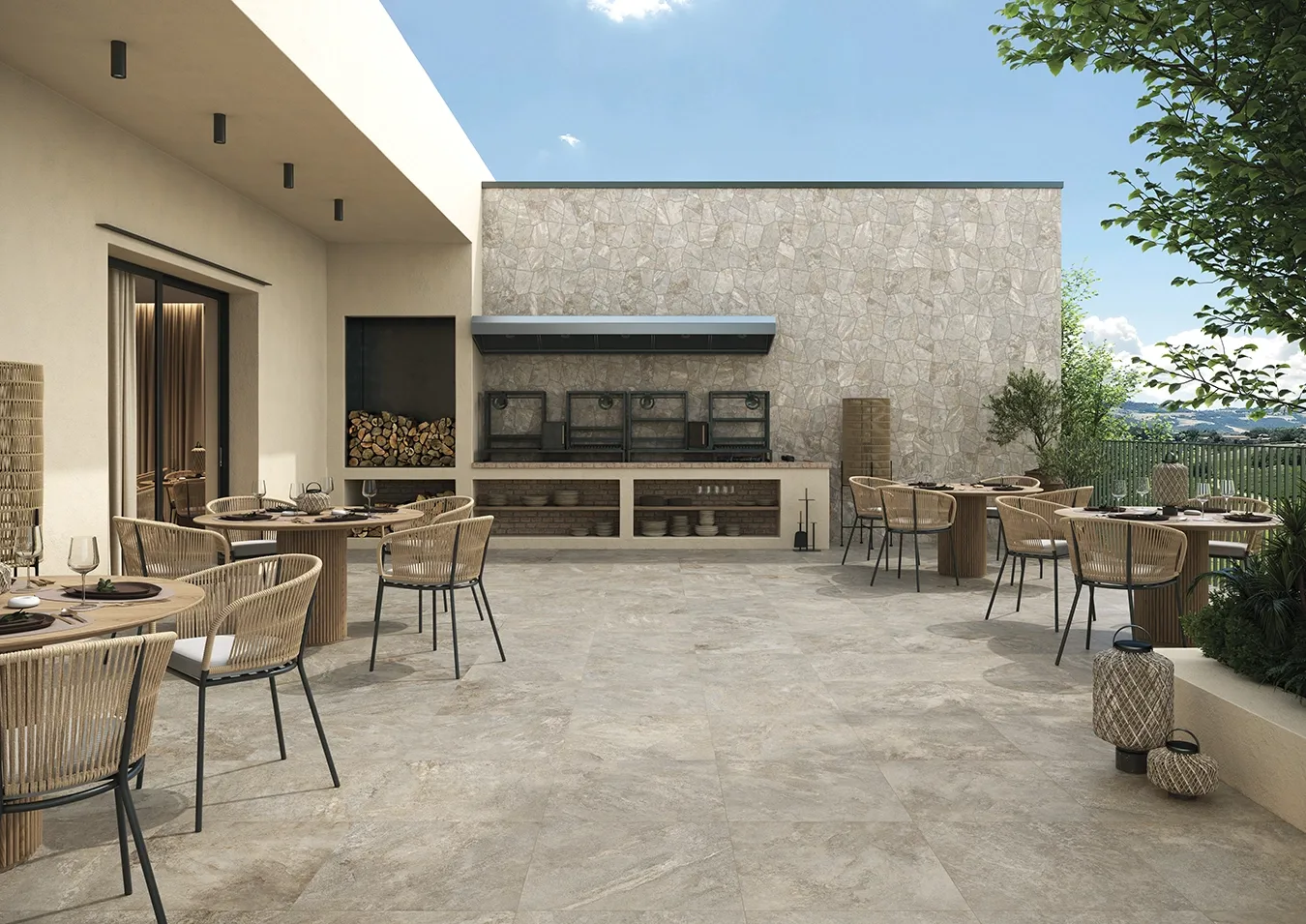
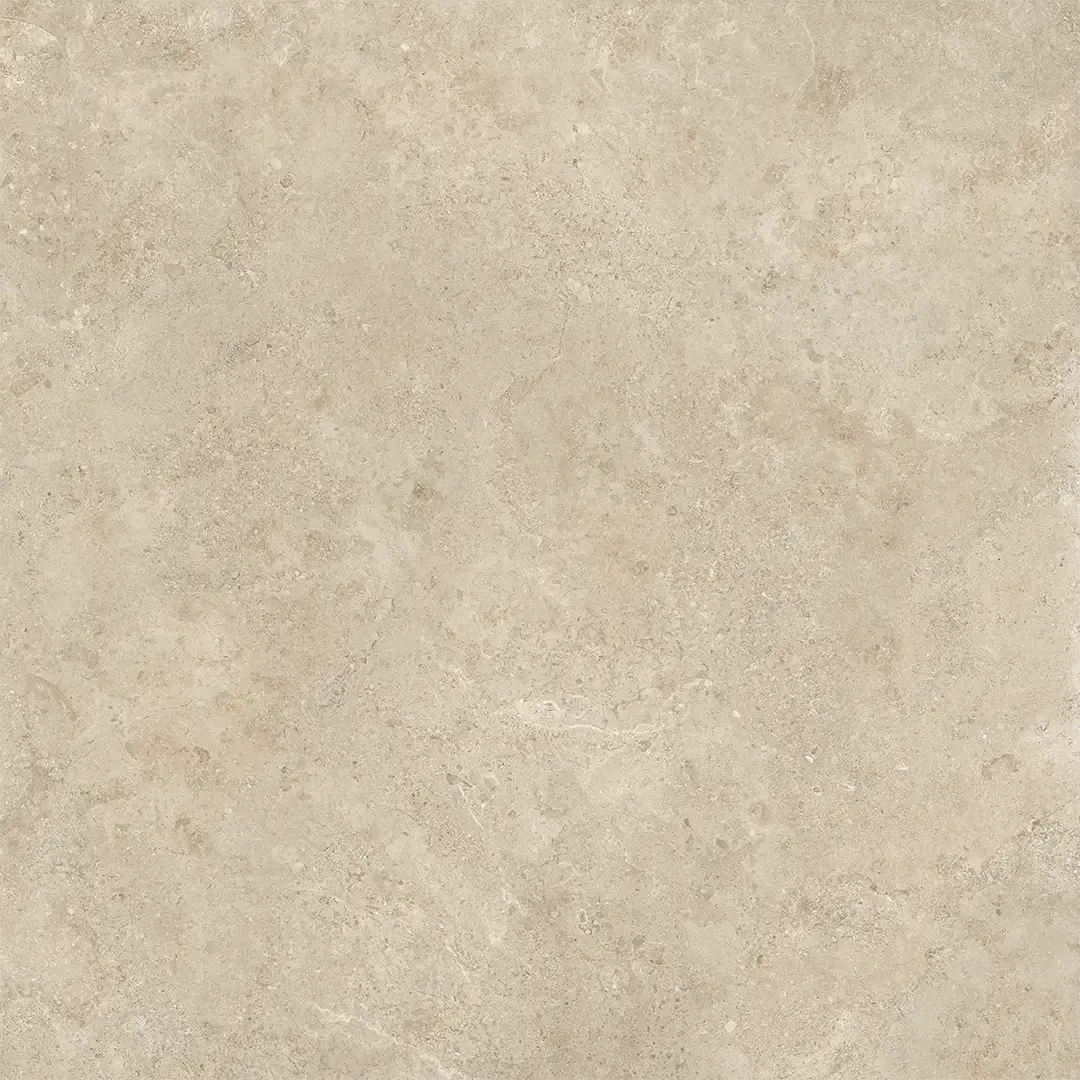
Design flexibility: outdoor porcelain pavers are available as stone look, wood look, and concrete look porcelain tiles, so cold-climate performance doesn't come at the expense of aesthetic choice
-
Long-term value: the combination of certified durability and minimal upkeep reduces the likelihood of repair or replacement costs over the life of the installation
Best porcelain pavers for cold & freeze‑thaw climates
What makes porcelain pavers frost-proof?
Porcelain pavers resist frost because their extremely low water absorption, typically under 0.5%, leaves virtually no moisture inside the tile body to freeze and expand. Porcelain tiles are fired at temperatures reaching 2255°F (1235°C), producing a dense, vitrified structure with essentially no open pores for water to penetrate.
This matters because frost damage in outdoor materials almost always starts with absorbed water. When temperatures drop below freezing, trapped water expands by approximately 9%, and that pressure cracks or flakes the surface layer over repeated cycles. Since porcelain pavers take on next to no water, that expansion never gets a foothold.
For cold-climate installations, this density must be paired with the appropriate format and thickness. 3/4" (20mm) porcelain pavers are the standard specification for outdoor use, built to handle the added stress of seasonal freeze-thaw cycles without sacrificing surface strength.
How porcelain pavers behave in freezing temperatures
A porcelain paver's true performance reveals itself under winter conditions, when moisture, structural stress, and surface exposure all come into play at once.
Freeze-thaw resistance and water absorption
Porcelain pavers absorb less than 0.5% water by weight, tested under EN ISO 10545-3 and classified as impervious under ANSI A137.1. With so little moisture inside the tile, there's nothing left to freeze and expand, which is the main cause of cracking in porous outdoor materials.
Concrete pavers absorb 5% to 8% water by weight, and porous natural stone absorbs more, giving ice far more material to expand within. Porcelain's fired, vitrified body closes that gap, which is why the 0.5% threshold is the benchmark for any freeze-thaw rated paver.
Why porcelain resists cracking in sub-zero conditions
Porcelain's density gives it high tensile and flexural strength, so it holds up as temperatures swing between day and night. Firing compacts the tile's structure and eliminates structural weak points for cold stress to concentrate.
This matters most during sudden temperature drops, since porcelain expands and contracts evenly. Natural stone, with its less uniform composition, is more prone to cracking under the same conditions.
Surface durability under snow, ice, and de-icing salts
Surface durability under snow, ice, and de-icing salts stays high for porcelain pavers because the material is chemically inert and does not react with the salts commonly used to melt ice on walkways and patios. Where natural stone pits, discolors, and spalls, chips, or flakes from repeated salt exposure, porcelain's impervious surface keeps salt from penetrating and causing damage from within.
This same density also protects the surface against abrasion from snow shovels, ice scrapers, and de-icing equipment. The surface layer resists scratching and wear well enough that repeated winter maintenance, season after season, leaves no lasting mark on the tile's appearance or performance.
Slip resistance on wet, icy, or frosted surfaces
Slip resistance depends on the paver's finish. An R11 anti-slip finish for outdoor pavers is the standard specification for residential patios, garden walkways, and covered porches, holding traction even under frost or meltwater. In the US market, the governing benchmark is dynamic coefficient of friction, measured under ANSI A326.3, where a DCOF of 0.42 or higher qualifies a tile surface for wet exterior installation.
Steeper slopes, driveways, and surfaces exposed to oil or organic debris in frost-prone climates require the deepest available texture, with Structured R11 specified over grit-applied finishes, since its three-dimensional relief channels water and debris away from the contact surface.
Key characteristics of cold-climate porcelain pavers
Specifying porcelain for winter conditions comes down to six verifiable characteristics, each backed by a recognized testing standard.
Frost-proof construction (EN ISO 10545-12)
Frost-proof certification under EN ISO 10545-12, and its US counterpart ASTM C1026, subjects tiles to repeated, controlled freeze-thaw cycles in a controlled lab setting, then inspects the surface for cracking, chipping, or any visible damage. Porcelain pavers pass this test consistently because their body has virtually no capacity to absorb the water that would otherwise freeze, expand, and force the material apart from within. This certification is the reference point architects and installers rely on when specifying tile for genuinely cold climates, rather than assuming general durability claims apply to freeze-thaw performance.
Low water absorption for freeze-thaw stability
Water absorption below 0.5% is what makes frost-proof certification possible in the first place, and it carries practical benefits beyond the test itself. This same property is why open-joint, pedestal-set installations perform so reliably outdoors: water that reaches the sub-base drains away freely instead of pooling beneath the tile, where repeated freezing could otherwise cause heaving or joint failure over time.
High load-bearing strength in winter conditions
Porcelain pavers keep their load-bearing capacity through winter's freeze-thaw stress, supporting foot traffic, furniture, and, at the appropriate thickness, vehicle weight without deforming. This strength holds steady even as ground movement from frost heave shifts the sub-base underneath.
Anti-slip finishes for snow and ice
Choosing the right surface finish is central to documented winter traction, since texture and grip vary significantly across the finish range. The right choice depends on how exposed the surface is and how often it sees foot traffic in wet or icy conditions:
-
Structured R11 delivers a pronounced three-dimensional texture that holds traction on patios, pool decks, and garden walkways exposed to regular frost or snowfall
-
Grip R11 applies slip-resistant grit to a smooth surface, maintaining documented slip resistance where water, snowmelt, or de-icing runoff is present without the relief of a structured finish
-
Structured R10 provides a lighter texture, specified for covered porches, entryways, and sheltered outdoor spaces with intermittent moisture exposure
Matching the finish to the specific conditions of the space keeps traction consistent through the coldest months.
Color stability under low-angle winter sun
Porcelain's color comes from pigments fired directly into the tile body rather than applied as a surface coating, which means it stays stable under the low, glancing sunlight typical of winter months. Snow glare, seasonal UV changes, and prolonged exposure to bright, low-angle light don't fade or alter the finish over time, so the tile's appearance in January looks the same as it did the previous summer.
Thermal shock resistance in rapid temperature drops
Thermal shock resistance, tested under EN ISO 10545-9, measures how a tile handles sudden temperature swings, such as a sunny afternoon giving way to a hard overnight freeze. Porcelain's dense, uniform body absorbs that stress evenly across its structure, avoiding the localized surface cracking that can develop in materials with a less consistent composition when exposed to the same rapid shift.
Benefits of porcelain pavers in cold climates
Porcelain pavers offer a specific set of advantages for cold-climate outdoor projects, combining the technical properties covered above into practical, long-term value.
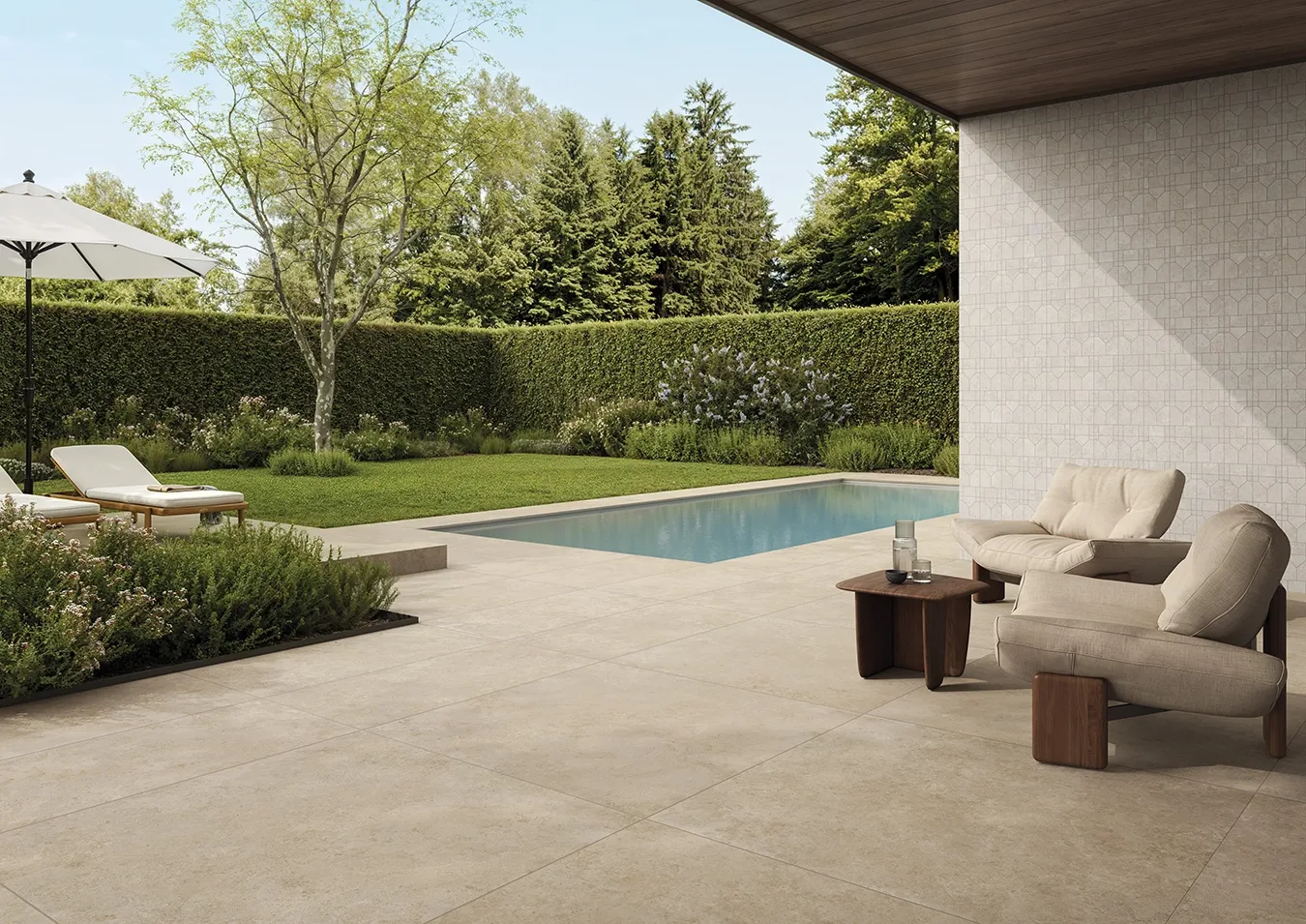
Together, these benefits make porcelain a dependable choice for homeowners and design professionals working in regions with harsh winters, where material failure carries real cost and inconvenience.
Drawbacks and considerations before choosing porcelain pavers
Porcelain pavers aren't the right fit for every project. Five trade-offs shape how a cold-climate installation should be specified.
-
Higher upfront cost: porcelain pavers cost more per square foot than concrete pavers, though the difference shrinks once long-term maintenance and replacement costs are factored in
-
Professional installation matters: achieving proper drainage and frost resistance depends on correct sub-base preparation and joint spacing, so improper installation can undermine the material's built-in performance
-
Cutting and on-site modification: porcelain's density, the same property that makes it durable, also makes it harder to cut and shape on site compared to softer materials like concrete
-
Textured finishes require more cleaning: higher-traction finishes suited to icy conditions have deeper surface relief, which can trap dirt and organic debris more than a smoother finish would
-
Limited flexibility for repairs: replacing a single damaged paver years after installation can be difficult if the original color or batch is no longer being produced
None of these considerations offset porcelain's core cold-climate advantages, but they determine how a project is planned, from sub-base prep to long-term maintenance expectations.
Best places to use frost-proof porcelain pavers
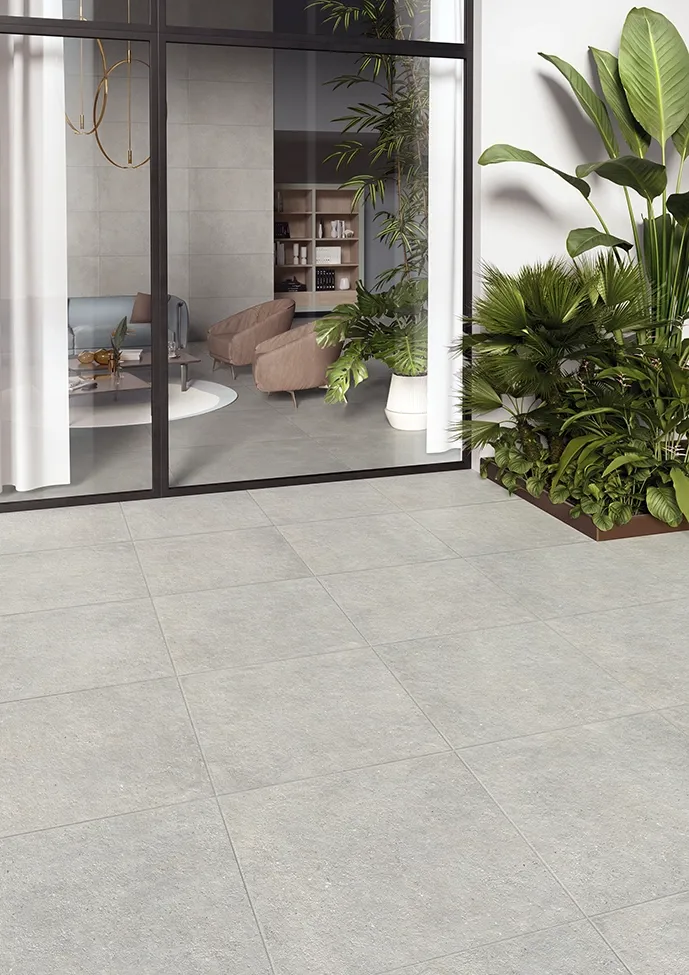
Frost-proof porcelain pavers perform well anywhere outdoor surfaces face winter exposure, from residential backyards to commercial and public spaces.

-
Patios: porcelain pavers for gardens and patios hold up to snow, ice, and repeated seasonal cycling without losing their finish or structural integrity
-
Front porches, entryways, and garden walkways: consistent traction and dimensional stability make these surfaces safe underfoot even after repeated freezing and thawing
-
Driveways: at the appropriate thickness, porcelain pavers support vehicle weight while resisting the cracking that concrete driveways often develop after several winters
-
Pool decks: low water absorption and anti-slip finishes address both the frost exposure and the safety requirements specific to pool areas
-
Balconies and terraces in multi-story buildings: terrace and balcony pavers benefit from porcelain's lightweight, thin-format options, which reduce structural load while still meeting frost-resistance requirements
-
Commercial and public outdoor spaces: hospitality terraces, retail walkways, and public plazas rely on the same durability to withstand heavy foot traffic through winter months
Porcelain pavers vs other outdoor materials in cold weather
Porcelain pavers outperform concrete, natural stone, and wood in most cold-climate comparisons, primarily due to the water‑absorption gap outlined earlier in this guide. Concrete pavers, with water absorption often in the 5% to 8% range, are prone to surface scaling and cracking after just a few freeze-thaw seasons, especially where de-icing salts are used regularly. Natural stone varies by type, but even dense stones like granite can absorb enough moisture to develop surface pitting over time, and porous stones like limestone or sandstone perform considerably worse.
Wood decking avoids freeze‑thaw stress entirely but introduces its own set of winter vulnerabilities, including moisture absorption, rot, and the need for annual sealing or staining. Porcelain requires none of that seasonal upkeep. The trade-off across all three alternatives is largely one of upfront cost versus long-term performance: concrete and wood are typically less expensive to install, but porcelain's combination of frost resistance, color stability, and low maintenance reduces total cost of ownership over the full life of the installation.
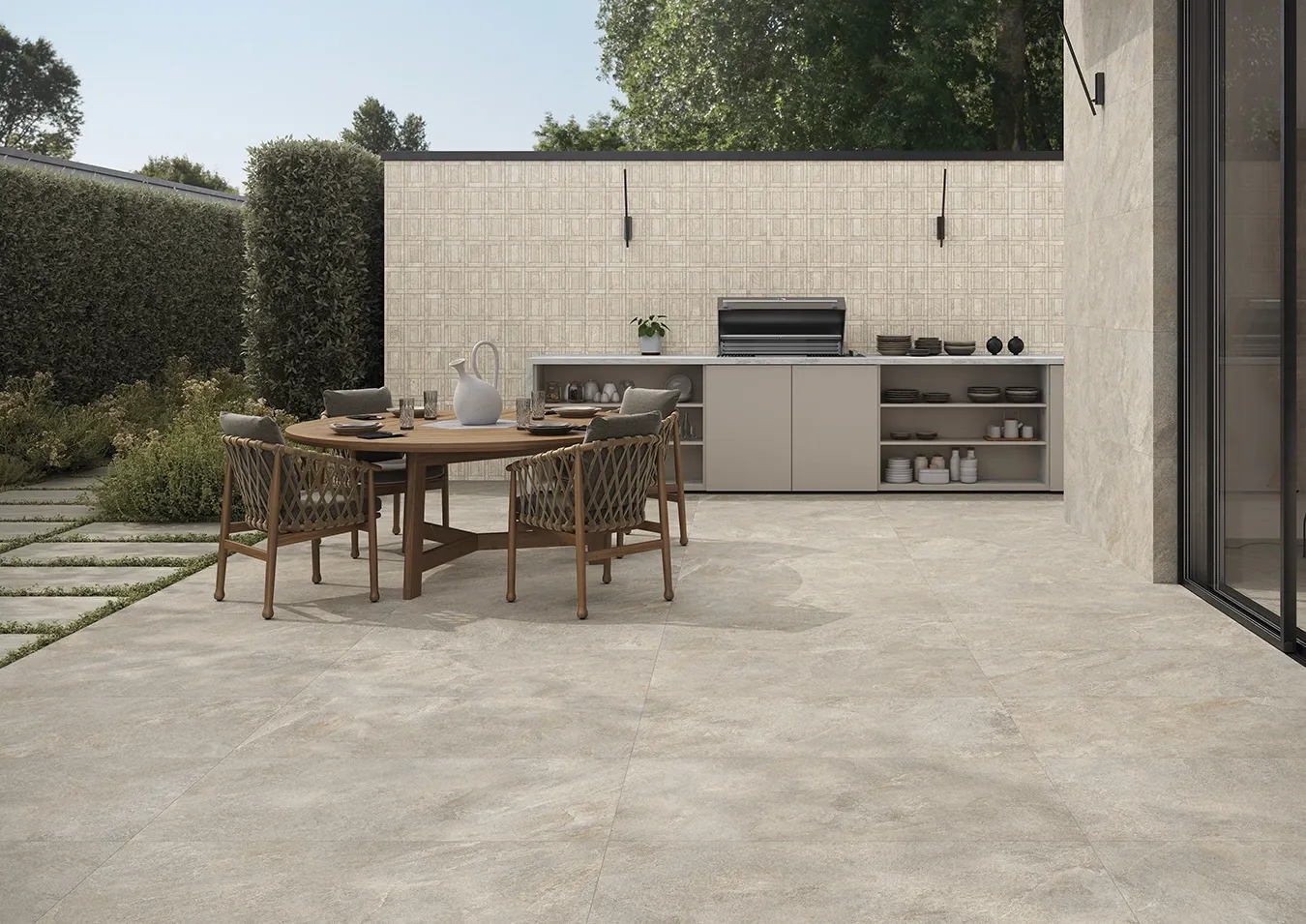
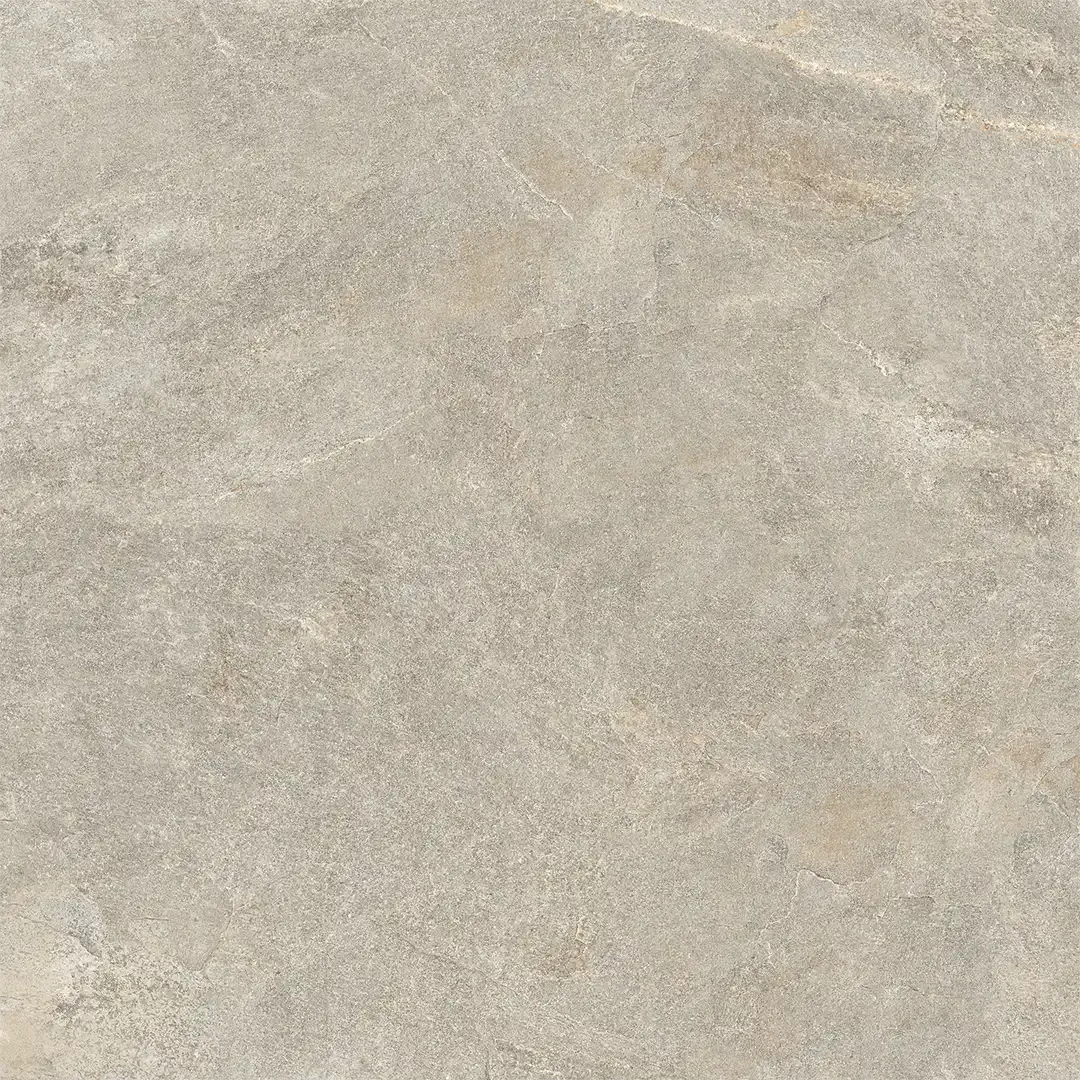
Best cold-climate porcelain paver styles for modern outdoor design
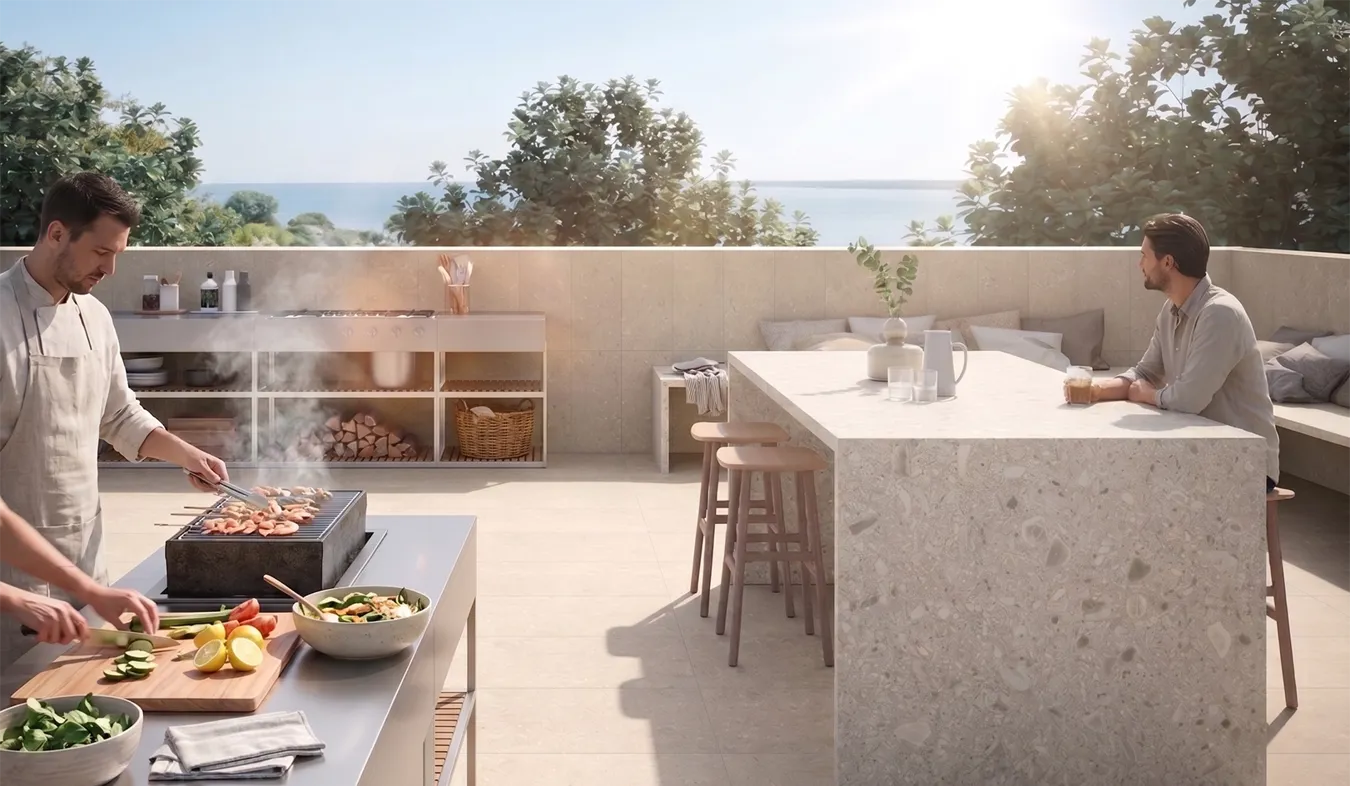
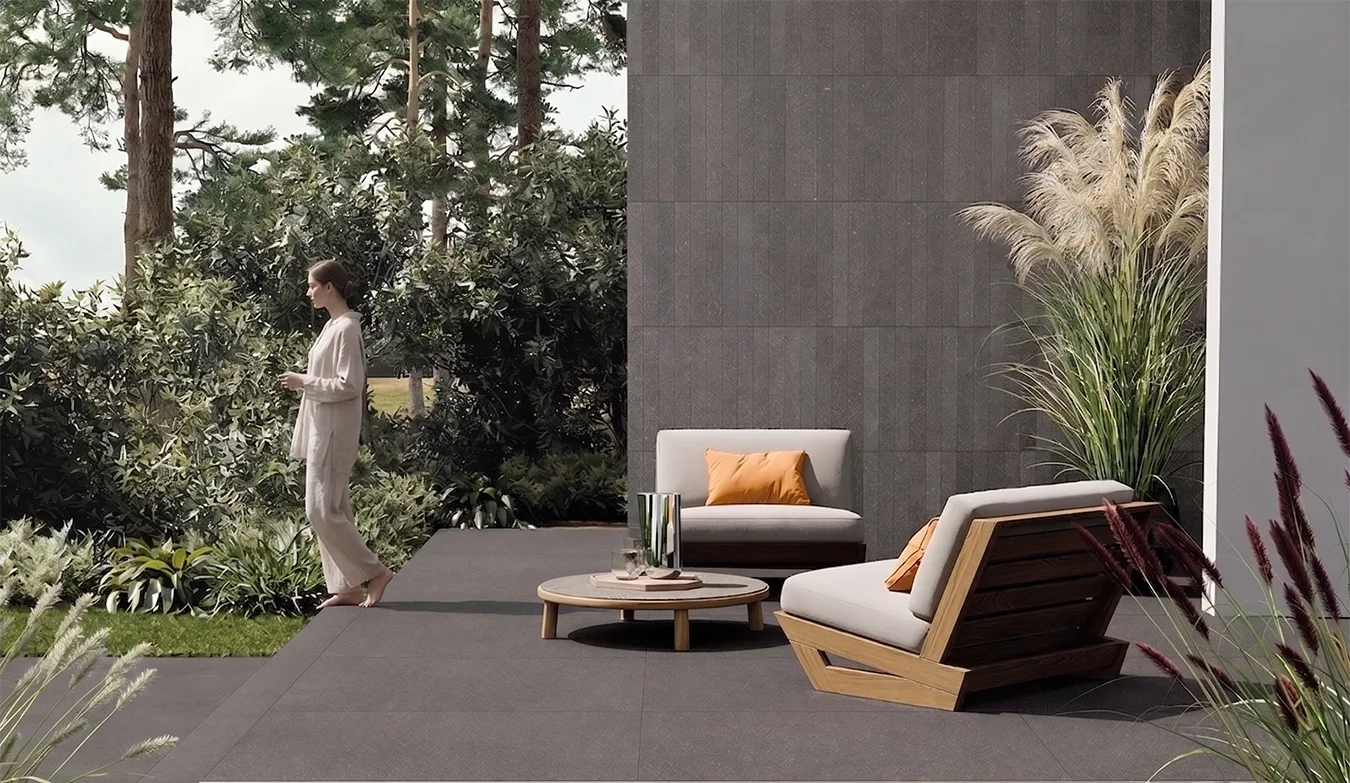
Cold-climate porcelain pavers come in a range of styles that combine frost-proof performance with the aesthetic versatility modern outdoor design calls for. Stone look finishes replicate the texture and tonal variation of quartzite, bluestone, or slate, giving winter landscapes a natural, grounded look without the maintenance concerns of quarried stone. Concrete look pavers offer a more contemporary, minimal aesthetic suited to modern architecture, while wood look formats bring warmth to outdoor living spaces that would otherwise require real timber decking, along with the upkeep that comes with it.
Color selection also plays a meaningful role in cold-climate design. Lighter, warmer tones can soften the starkness of a snow-covered landscape, while deeper grays and charcoals create contrast against winter light and stand out clearly once snow has melted or been cleared. Since porcelain's fired-in color doesn't shift with UV or seasonal exposure, whichever palette is chosen at installation stays consistent through every winter that follows.
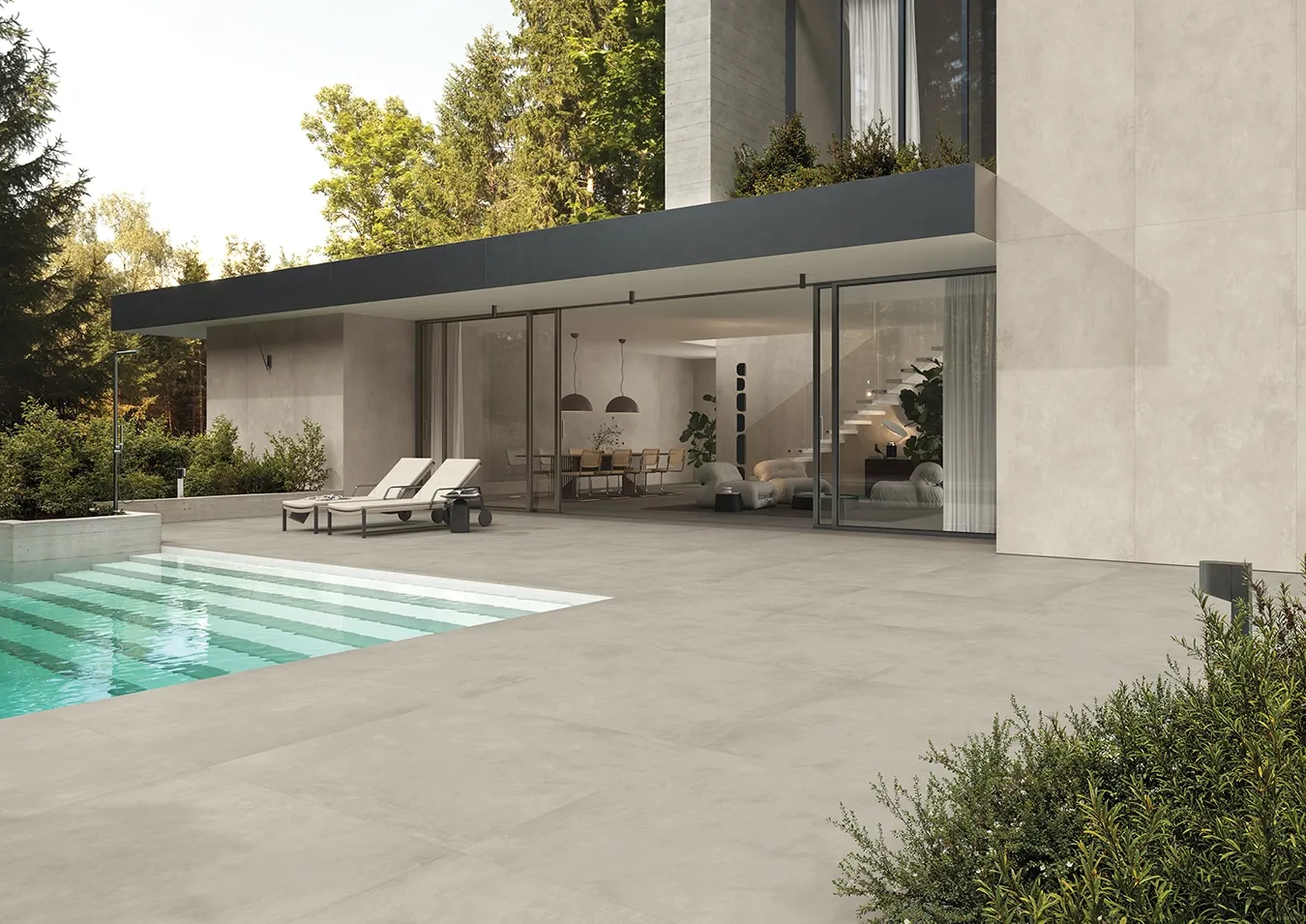
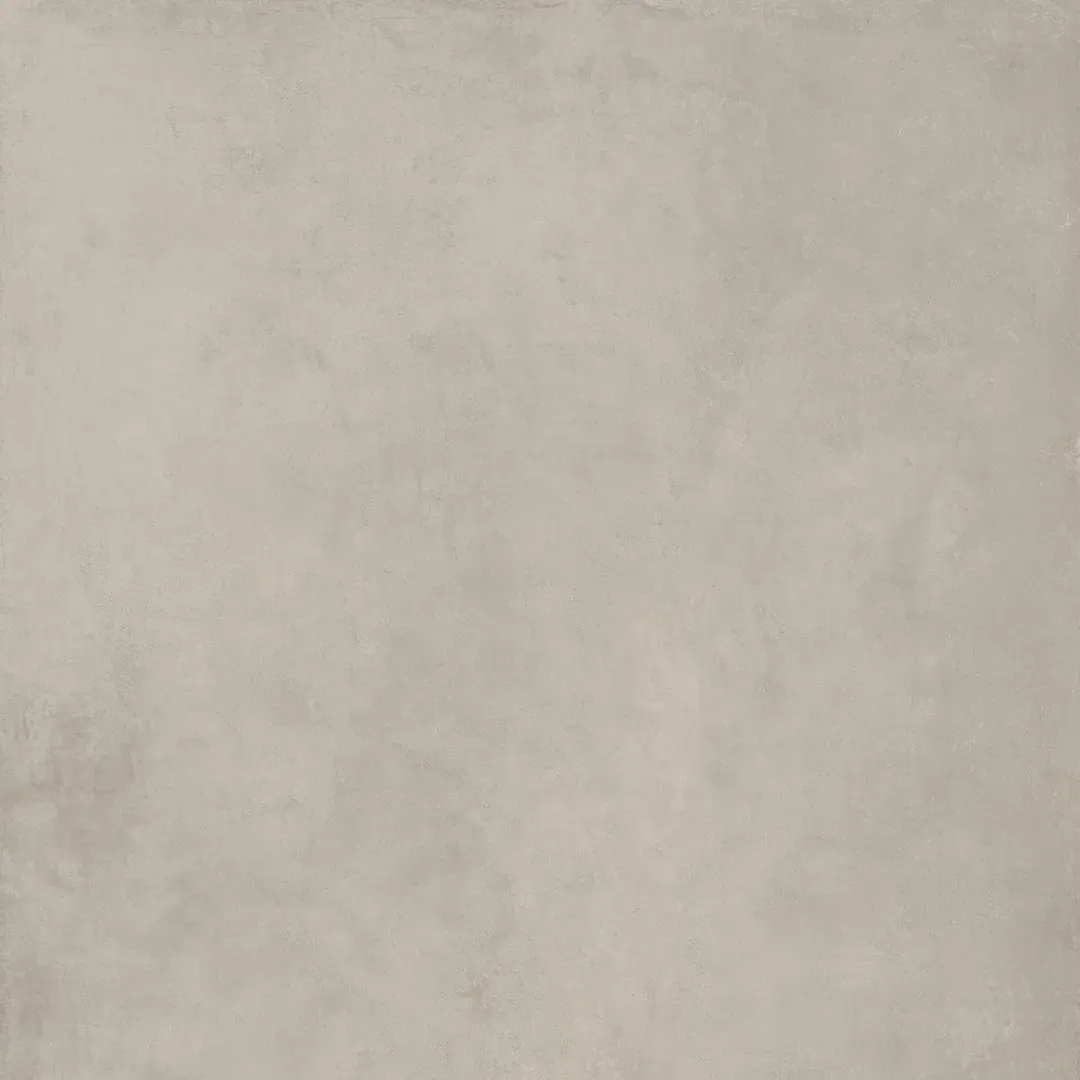
Large-format outdoor slabs for seamless winter surfaces
Large-format porcelain slabs reduce the number of joints across a surface, which limits the potential entry points where water can reach the sub-base and minimizes the visual interruption of grout lines across a patio or terrace. Fewer joints also mean fewer opportunities for frost heave to cause movement at the seams, keeping a large paved area visually more uniform through repeated freeze-thaw cycles. For expansive patios, pool decks, or commercial outdoor spaces, this format delivers a cleaner, more contemporary look while maintaining the same frost-proof properties found in smaller formats.
Freeze-thaw installation methods
Correct installation is what allows porcelain pavers to deliver on their frost-proof rating, since even the most durable tile can fail far earlier than expected over an unprepared sub-base. Three installation methods are commonly used for outdoor porcelain in cold climates, each addressing drainage and ground movement differently.
-
Dry-lay installation: pavers are laid directly over compacted gravel, sand, or grass without thin-set or grout, allowing water to drain freely through open joints and the sub-base beneath. This method suits driveways, garden walkways, and other ground-level applications where drainage is the primary concern
-
Raised pedestal systems: pavers rest on adjustable supports above the sub-base, creating a fully ventilated air gap underneath. This approach is especially effective in freeze-thaw climates, since any water on the surface drains straight through the open joints and never contacts the substrate below, eliminating the risk of trapped moisture freezing and causing movement
-
Bonded installation with thin-set: pavers are set directly onto a prepared, well-draining sub-base using a thin-set formulated for exterior use. This method requires careful attention to slope and drainage, since standing water beneath a bonded surface is much more likely to cause frost damage than in a raised or dry-lay system
Regardless of method, adequate slope for drainage and proper joint spacing are essential in cold climates, since any water that becomes trapped against or beneath the tile is what ultimately causes freeze-thaw related failures, not the porcelain itself.
Snow load and structural performance
Porcelain pavers are engineered to carry the added weight of accumulated snow without compromising the structural performance built into the material. At the appropriate thickness, typically the 3/4" (20mm) porcelain pavers format used for outdoor installations, the tile's high flexural strength distributes snow load evenly across the surface rather than concentrating stress at any single point.
This matters most on raised pedestal installations, where the paver spans an open gap rather than resting directly on solid ground. In these setups, structural performance depends on selecting a thickness and support spacing rated for the anticipated load, since accumulated snow can add significant weight before it melts or is cleared. Manufacturers typically publish load-bearing specifications for pedestal-supported applications, and following these guidelines ensures the installation performs safely through heavy snowfall seasons rather than relying on the material's general durability alone.
Ground-level, dry-laid, or bonded installations face less structural risk from snow load, since the paver is fully supported underneath. In these cases, the main consideration shifts back to drainage and joint spacing, ensuring melted snow doesn't pool and refreeze against the tile's edges.
Maintenance, cleaning, and installation tips for freeze-thaw performance
Proper maintenance and correct installation are what keep a porcelain paver's frost-proof rating intact through years of winter use, rather than relying on the material's durability alone.
Installation tips
-
Prepare a well-compacted, properly sloped sub-base to ensure water drains away from the installation rather than pooling beneath the installation
-
Use a thin-set rated for exterior use when installing pavers over a bonded sub-base, and back-butter each paver for full coverage
-
Leave adequate joint spacing to accommodate thermal movement between pavers as temperatures shift through the colder months
-
For raised pedestal installations, confirm support spacing matches the manufacturer's load-bearing guidance for the expected snow load in the region
Maintenance tips
-
Clear standing water and snow accumulation where practical, since reducing moisture on the surface limits ice formation
-
Use a neutral pH detergent for routine cleaning, avoiding acidic or highly alkaline cleaners that can affect textured, anti-slip finishes over time
-
Sweep or rinse surfaces regularly to prevent dirt and organic debris from settling into textured or structured finishes
-
Inspect joints and edges seasonally, particularly after the first freeze‑thaw cycles of the season, to confirm the installation is draining as intended
Following these steps preserves both the appearance and the certified performance of the paver, ensuring the material's frost resistance translates into decades of reliable outdoor use.
Frequently asked questions about frost-proof porcelain pavers
Do porcelain pavers crack in freezing temperatures?
Porcelain pavers do not crack in freezing temperatures when properly installed, thanks to their water absorption of less than 0.5%, which leaves little moisture inside the tile to freeze and expand. Cracking in outdoor installations is more often caused by an improperly prepared sub-base than by the material itself.
Are porcelain pavers good for snowy climates?
Porcelain pavers are well suited to snowy climates, since their frost-proof construction, high load-bearing strength, and anti-slip finish options address the main challenges snow and ice place on outdoor surfaces. Fired-in color also means appearance stays consistent through repeated snow and thaw cycles.
Do porcelain pavers resist freeze-thaw cycles?
Porcelain pavers resist freeze-thaw cycles because their dense, vitrified body absorbs virtually no water, removing the internal moisture that would otherwise freeze, expand, and crack the material over repeated cycles. This performance is certified under EN ISO 10545-12.
Are porcelain pavers better than concrete in winter?
Porcelain pavers outperform concrete in winter weather conditions. Concrete absorbs 5% to 8% water by weight, which drives surface scaling and cracking after repeated freeze-thaw exposure, especially where de-icing salts are used.
Do porcelain pavers spall in winter?
Porcelain pavers do not spall under typical winter weather conditions, since spalling is caused by trapped moisture freezing and expanding within a material, a mechanism that porcelain's low water absorption largely prevents. Spalling in a porcelain installation typically points to a drainage or sub-base issue rather than the tile itself.
Do porcelain pavers absorb water?
Porcelain pavers absorb minimal amounts of water, with a certified rate of less than 0.5%, which is the technical basis for their frost resistance, stain resistance, and long-term durability in outdoor and freeze-thaw environments.