






How multisensory design is applied in interior design
To shape the atmosphere of both commercial and residential spaces, multisensory design operates on multiple perceptual levels. Here’s how each sense can be deliberately engaged through specific architectural choices:
-
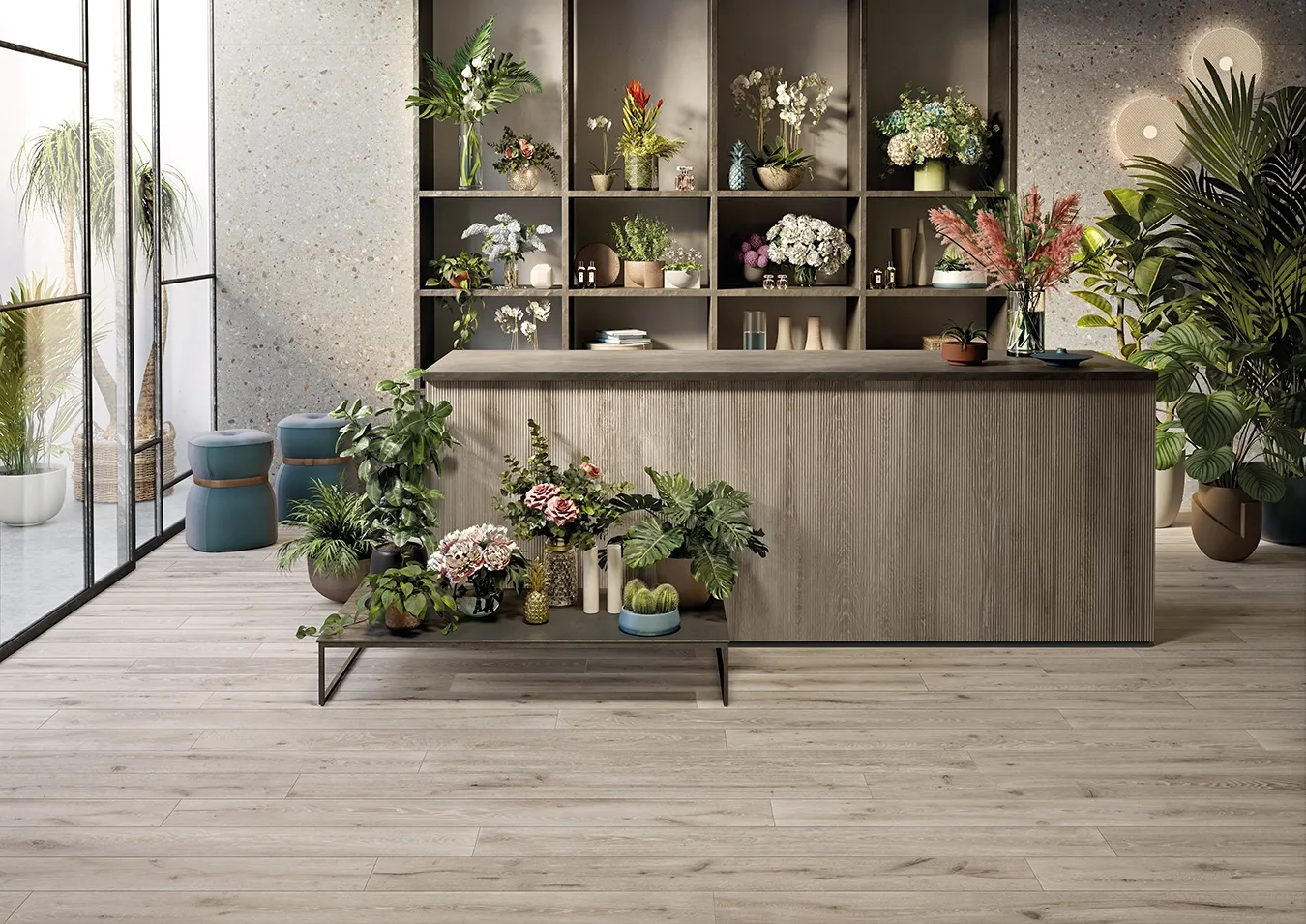
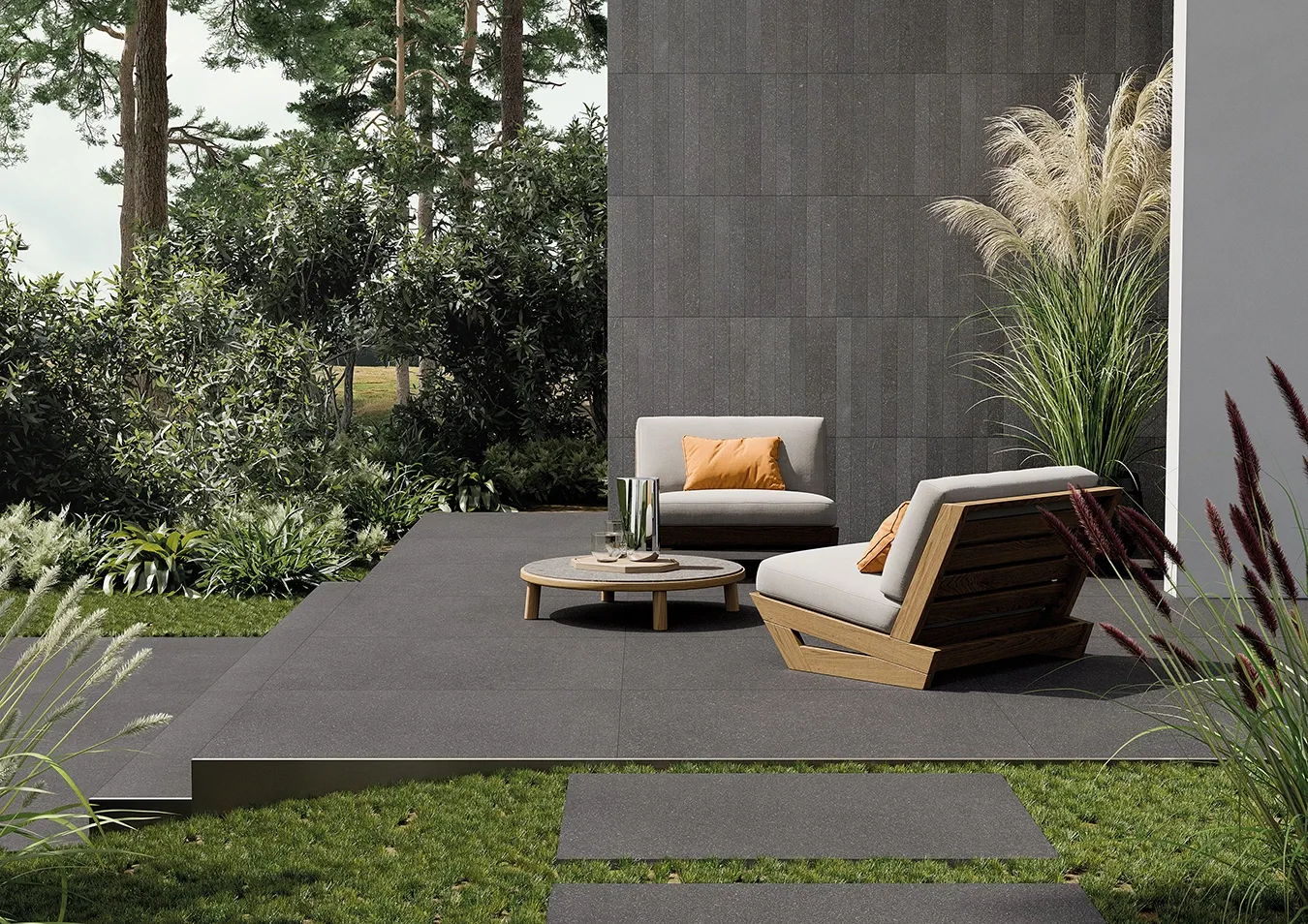
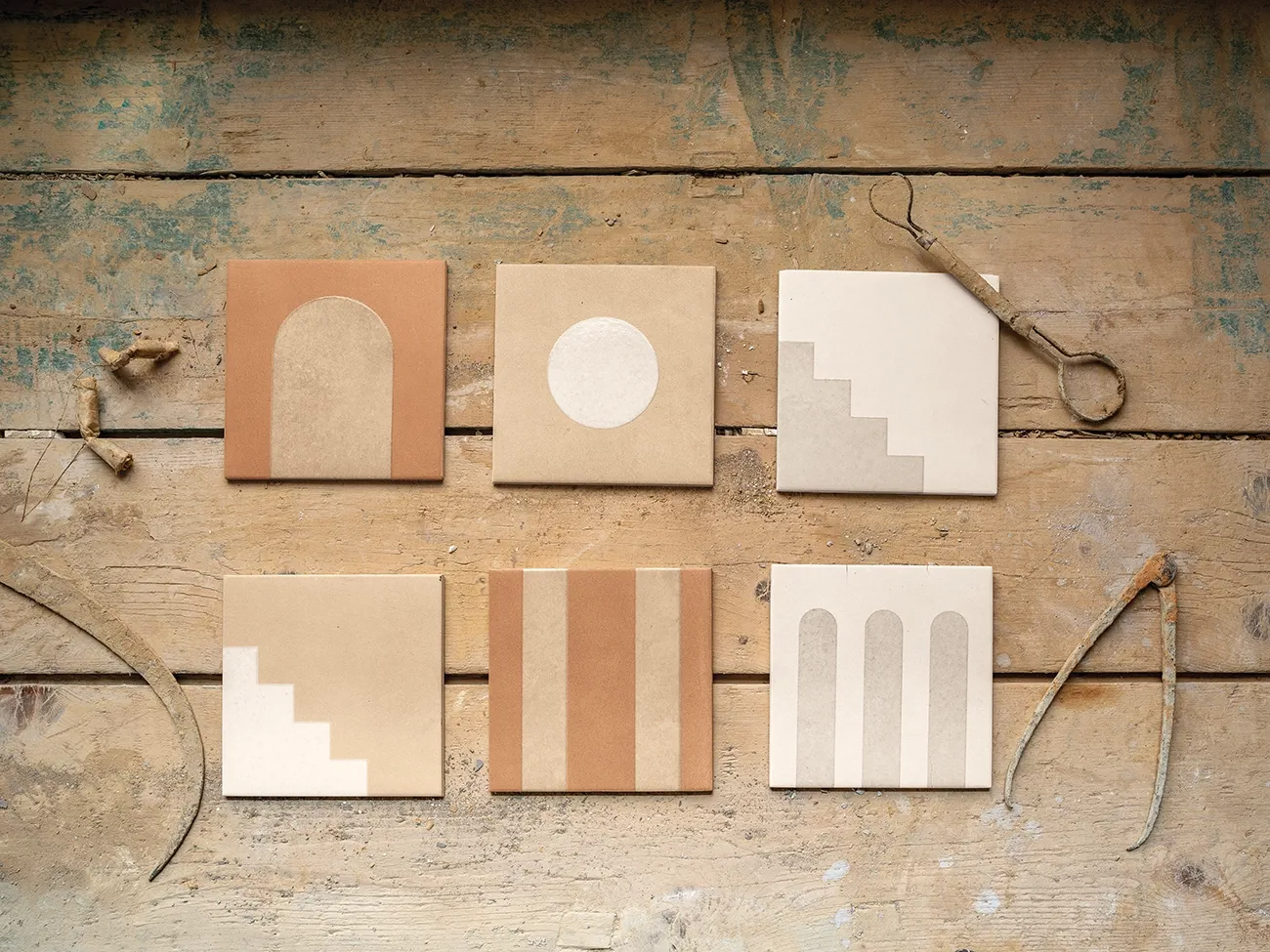
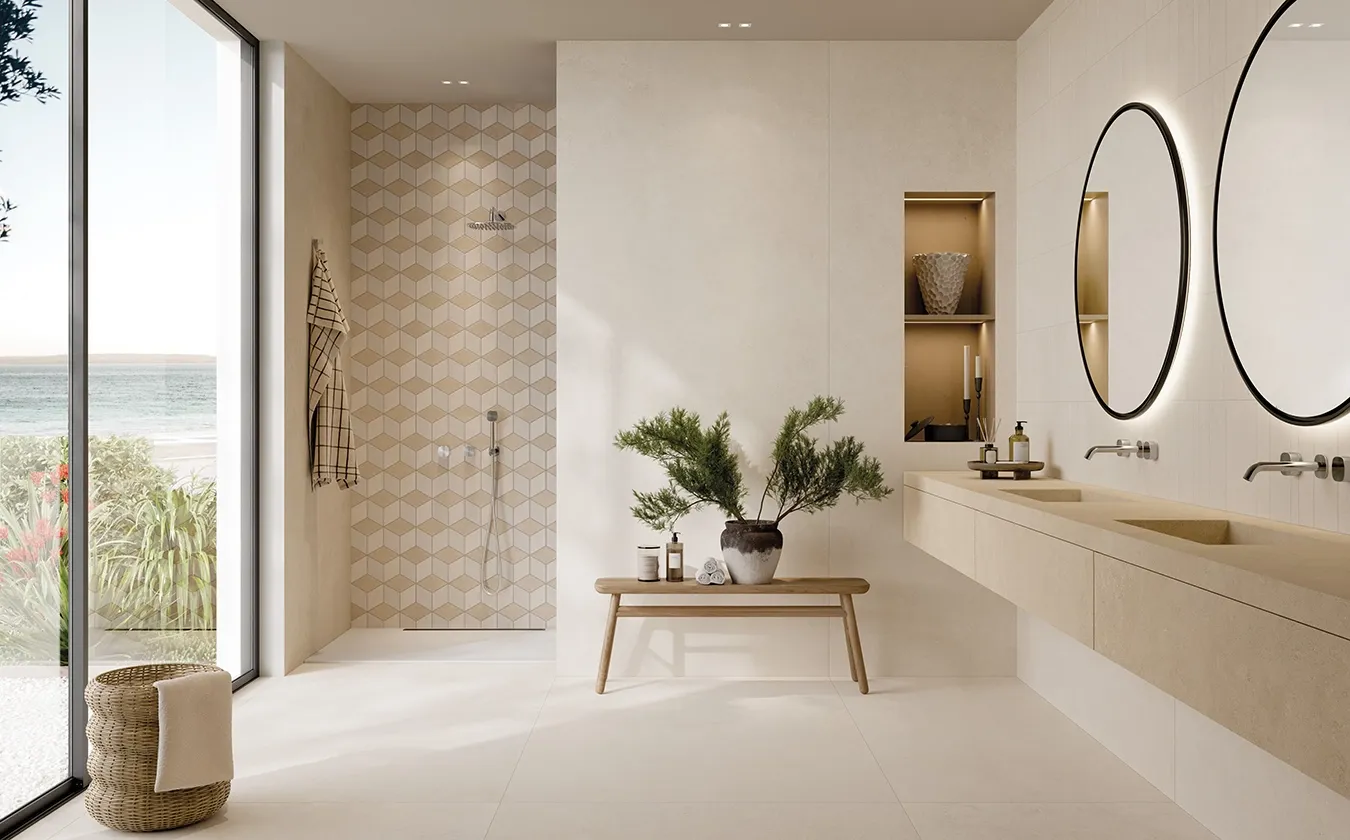
Touch (texture and materiality): the dominant sense in this approach. The use of tactile surfaces such as raw wood, polished stone, or soft fabrics like velvet and wool, invites physical contact and evokes immediate feelings of warmth and comfort.
-
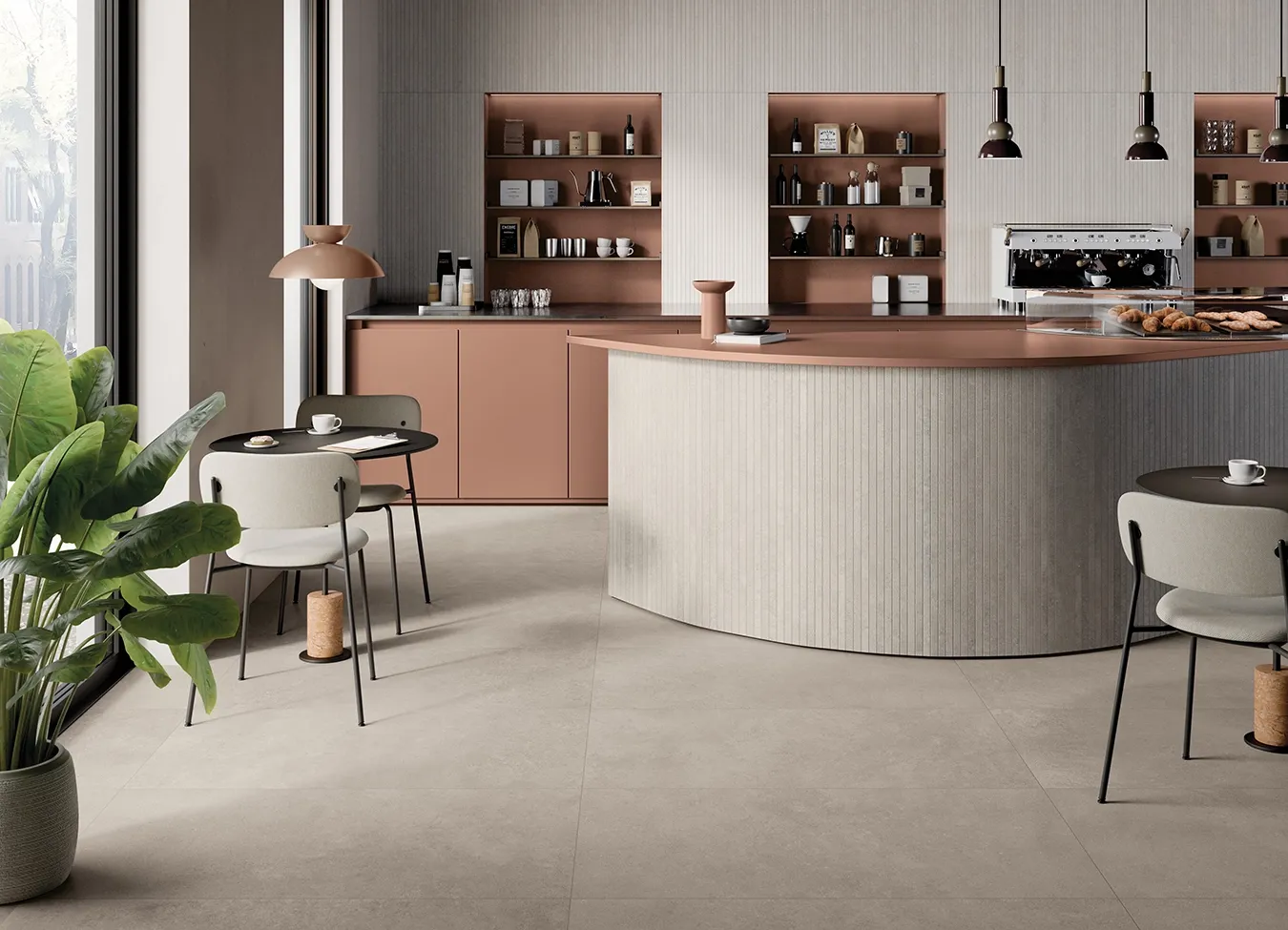
Sight (light and color): beyond aesthetics, light plays both a functional and emotional role. Warm, soft lighting creates intimacy, while the strategic use of color can “switch on or off” specific emotions.
-
Hearing (acoustics): acoustic comfort is essential for well-being. Incorporating sound-absorbing materials on walls and ceilings reduces noise pollution in open-plan spaces and fosters a sense of privacy in public areas.
-
Smell (olfactory design): closely tied to memory, scent is strategically employed in hotels and spas through ambient fragrances (such as cedar, lavender, or citrus) to strengthen the lasting impression of the experience.