





The thermal aesthetics of surfaces: how materials influence coolness
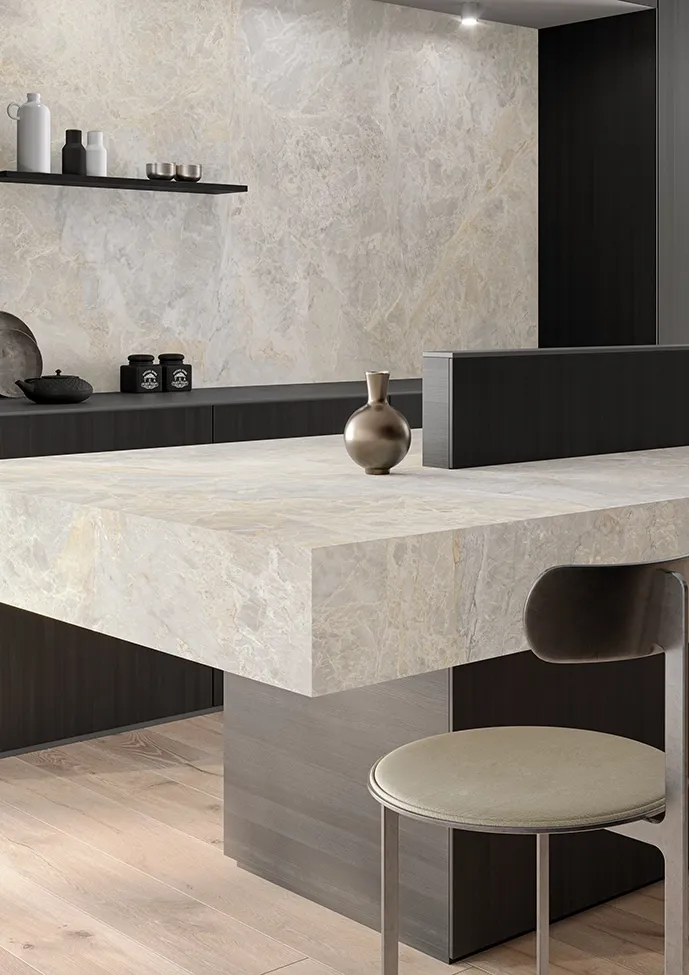
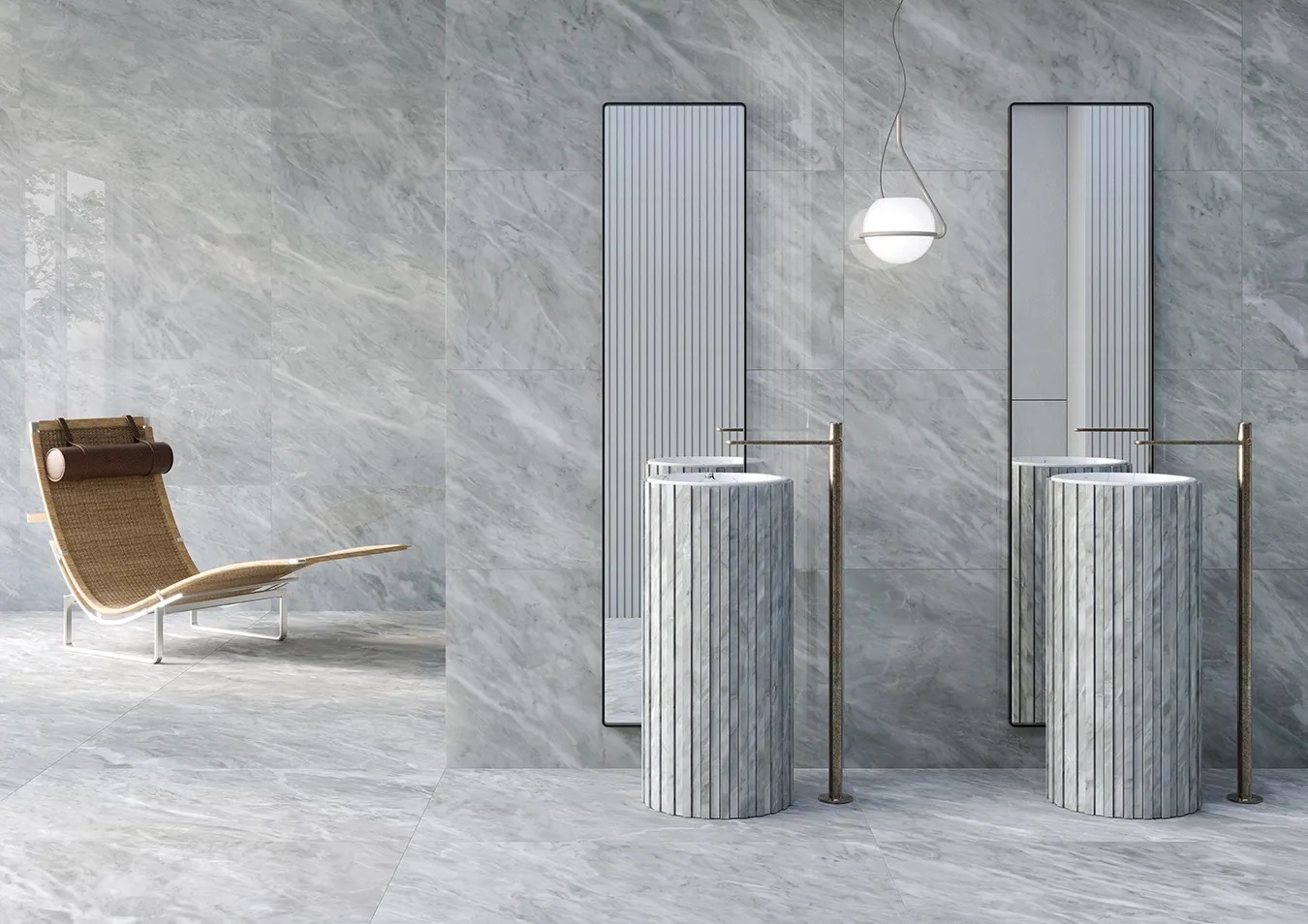
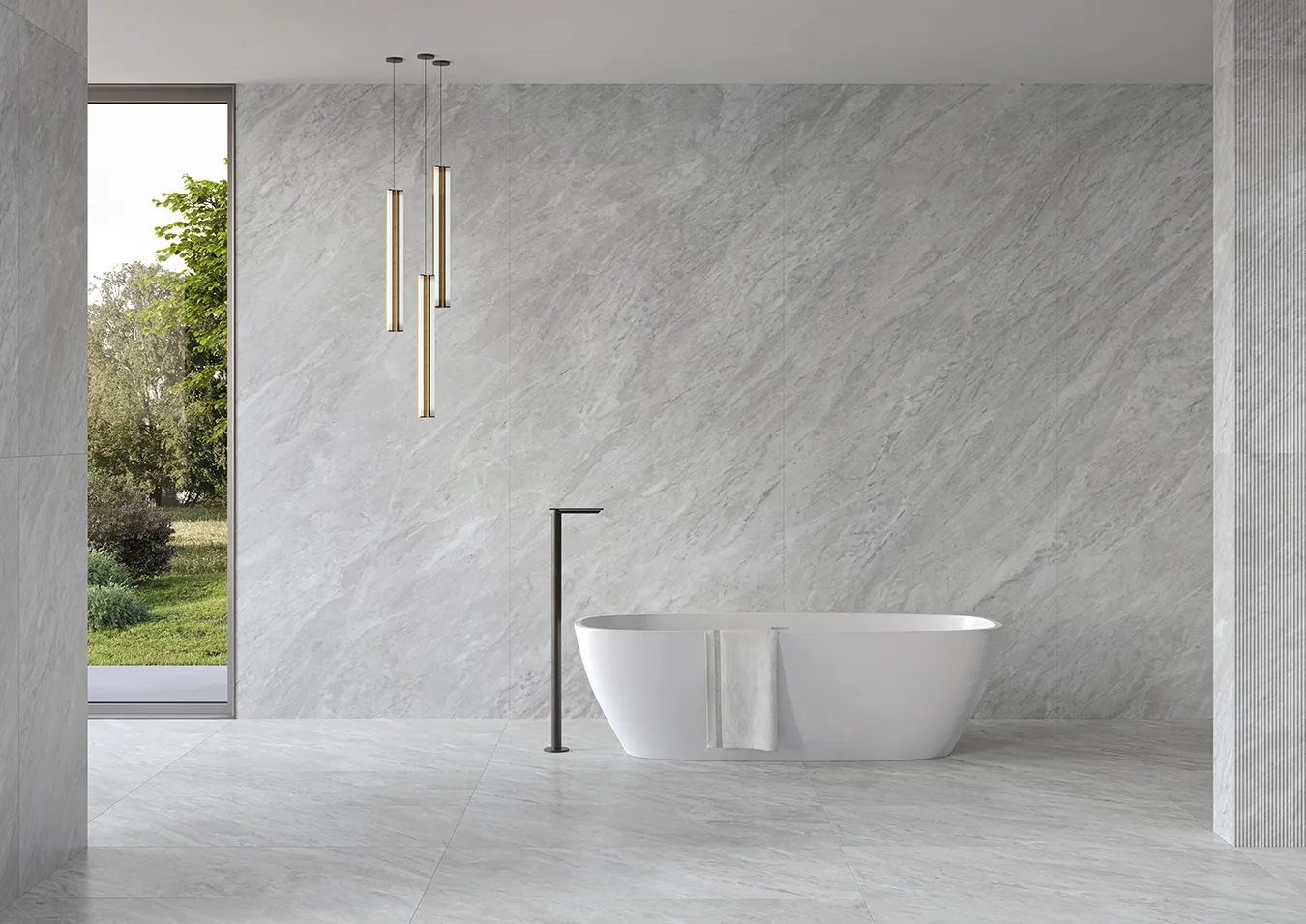
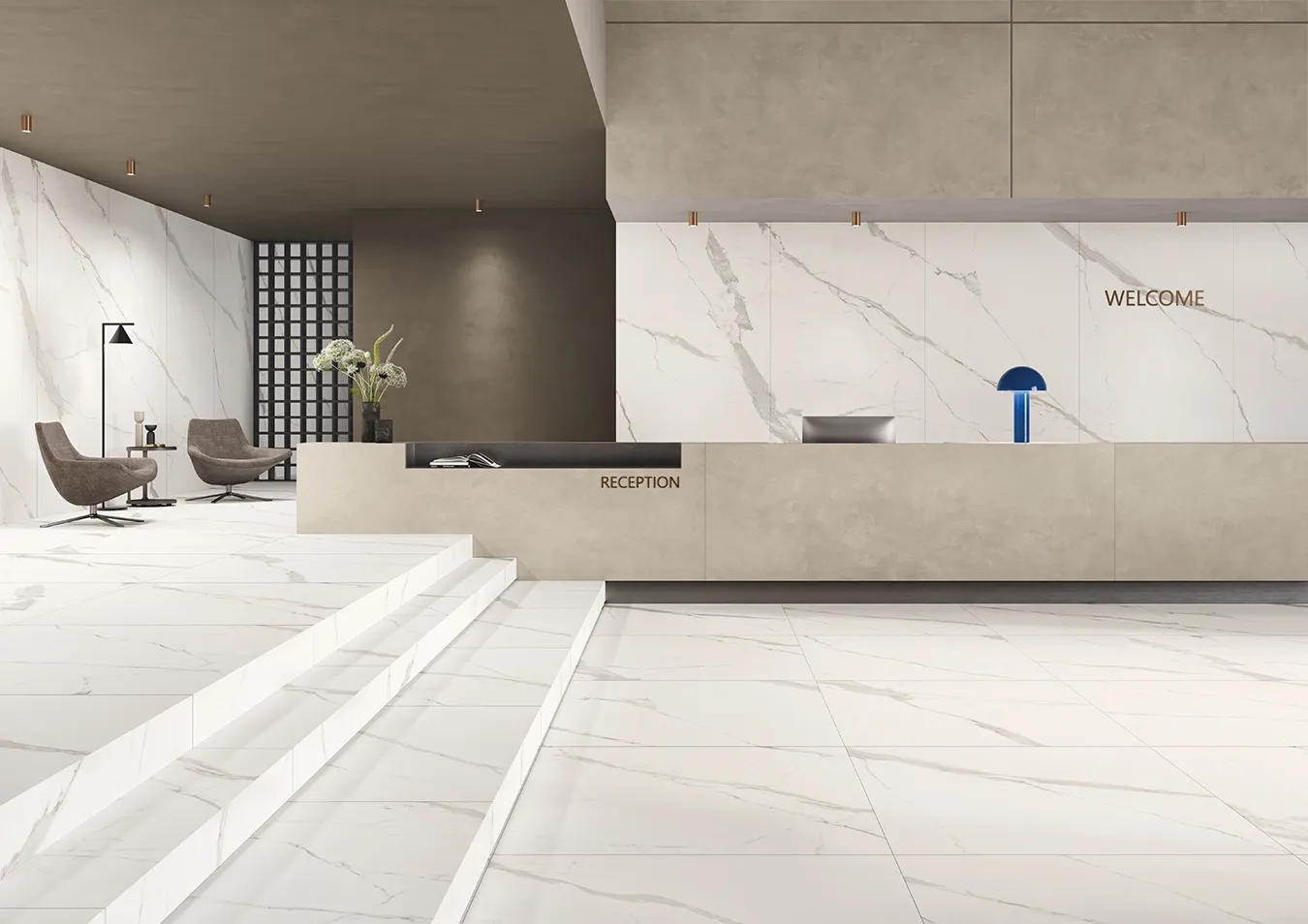
To understand why one material is perceived as cool and another as warmer, we must move beyond the static concept of temperature. If we touch a marble slab and a wooden panel in the same room, their objective temperature is identical, but our perception is the opposite.
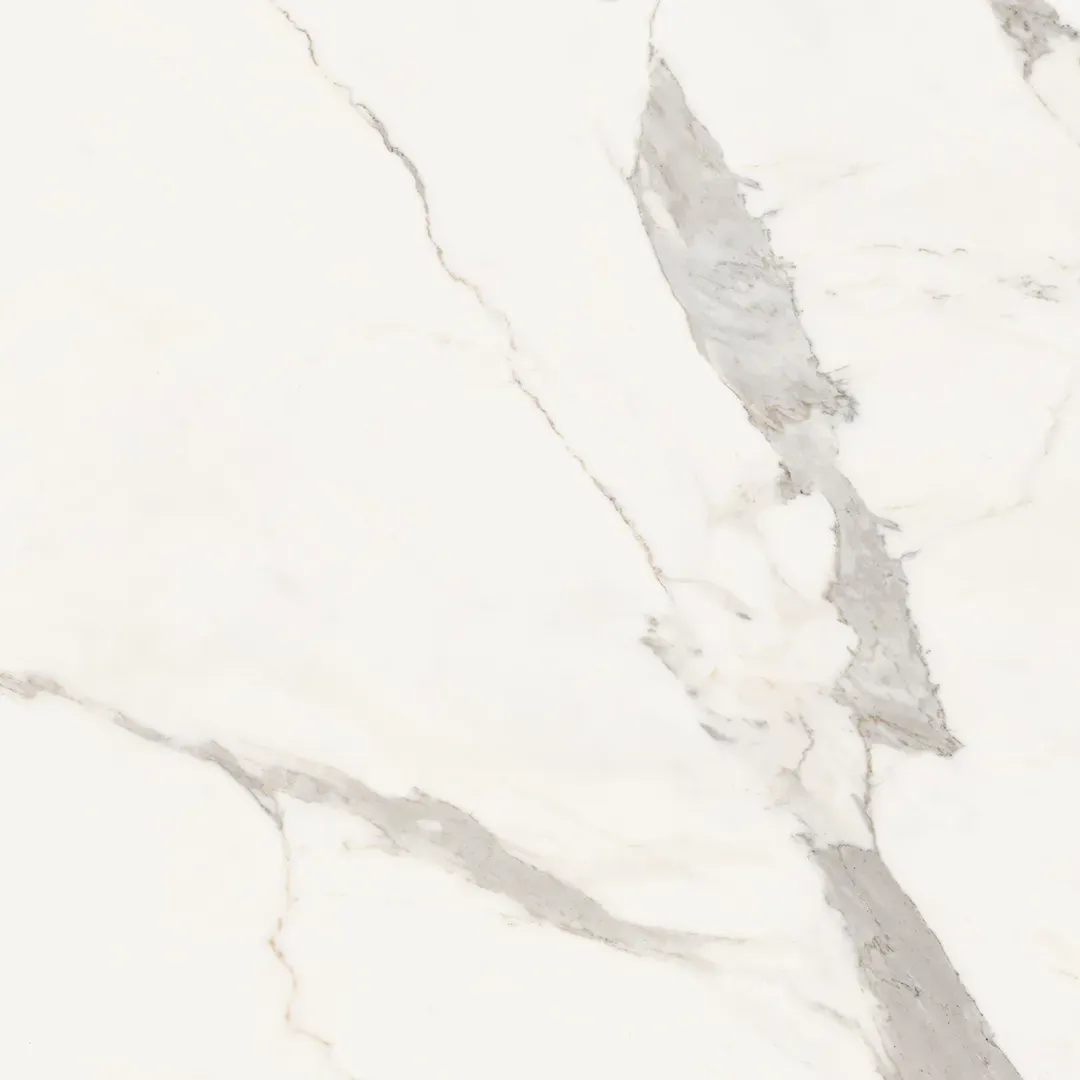
This phenomenon is governed by thermal conductivity (i.e., the ability to transmit heat) and thermal effusivity, which is the rate at which a material absorbs heat from our skin. Highly conductive materials, such as marble, draw heat away from the human body very quickly, creating an immediate sensation of coolness to the touch.
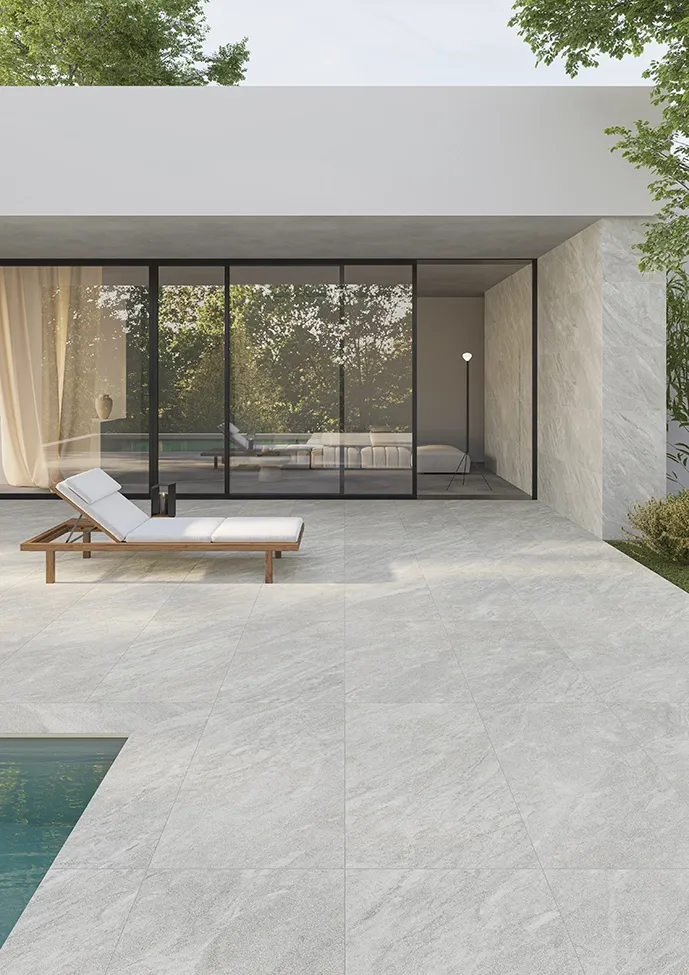
Color matters too: in Mediterranean interior design, light tones help keep spaces cool. Colors like white, beige, or cream reflect the sun’s rays before they heat up the rooms, significantly improving the home’s thermal comfort.